 Listicle
Are You Overdue for a Professional Scalp Detox?
Last Updated: November 21, 2026
Quick Summary
You may be overdue for a professional scalp detox if you have persistent itchiness, greasy roots within a day of washing, flakes or tightness that won't clear, or hair that feels heavy and dull. A scalp detox removes residue from everyday washing, but it does not treat a medical scalp condition.
- Greasy roots that return within a day of washing often signal product and sebum buildup.
- Clarifying shampoo used every one to two weeks can handle mild buildup at home.
- Flakes that return quickly with redness or strong itch may be dandruff, so see a dermatologist.
- Postpone a detox if the scalp has broken skin or an active flare of a diagnosed condition.
- A detox cleanses the scalp but cannot pull toxins from the body or treat hair loss.
Table of Contents
- What a Scalp Detox Actually Does (and What It Doesn't)
- Signs Your Scalp May Need a Professional Detox
- Buildup or Dandruff? How to Tell the Difference
- Scalp Detox Treatment vs. Scalp Detox at Home
- How Clarifying Shampoo and Scalp Scrubs Fit In
- What Happens During a Professional Scalp Detox
- Who Should Skip It and When to See a Doctor
- Booking Your First Head Spa Session at Coastal Polish & Beauty
- Frequently Asked Questions
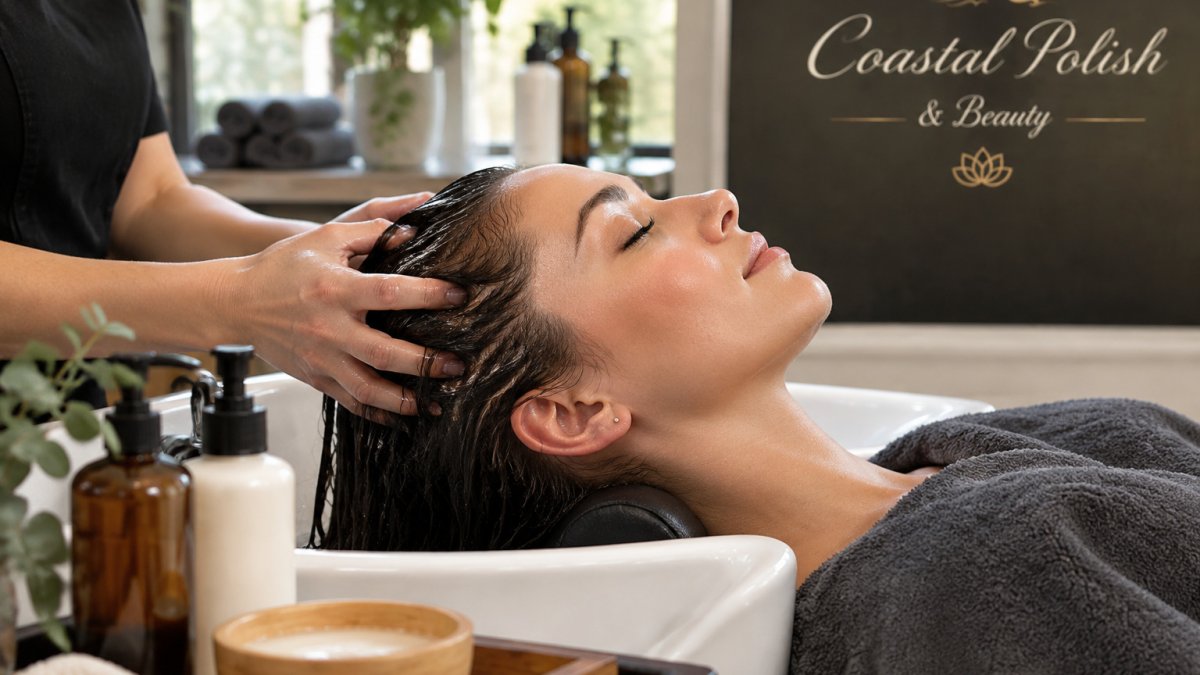
Persistent itch, greasy roots that show up within a day of washing, and hair that feels heavy and dull can all be signs your scalp needs more than your regular shampoo. Coastal Polish & Beauty, a wellness destination in Newport Beach, offers head spa treatments, and this guide explains how to tell when a professional scalp detox makes sense.
What a Scalp Detox Actually Does (and What It Doesn't)
A scalp detox is a deep cleansing treatment designed to remove the residue that everyday washing can leave behind. Think of it as a more thorough version of your regular routine rather than a cure for an underlying condition.
Most of the buildup involved is a mix of styling product residue, excess sebum, sweat, and dead skin cells. A clarifying treatment can lift that material from the scalp and hair shaft.
What a detox does not do is treat a medical scalp condition. It won't resolve a skin disorder, and it shouldn't replace a diagnosis when symptoms persist. Setting that expectation early helps you judge results fairly.
Signs Your Scalp May Need a Professional Detox
Several symptoms commonly show up when the scalp is carrying more than it can clear on its own. Recognizing them helps you decide whether a professional visit is worth it.
Persistent Itchiness or Irritation
An itch that returns between washes, even after switching to gentler products, is a useful signal. Buildup can irritate the scalp and make a sensitive scalp feel tight or tender.
Watch for itching that is steady rather than occasional, especially if it follows heavy product use.
Greasy Roots Soon After Washing
If your roots look oily within a day of washing, excess sebum and product residue may be accumulating at the scalp. This is one of the more common reasons people book a detox.
Note how quickly the greasiness returns. Roots that feel clean for a few days and then slump earlier than usual point toward buildup rather than normal oil production.
Flakes, Dryness, or Tightness That Won't Clear
Flakes are not always dandruff. Built-up product and dead skin cells can form visible flakes that linger despite regular shampooing. A tight, dry feeling across the scalp can also appear when residue is trapped beneath the surface.
If flaking or tightness continues for several weeks, a professional or doctor can help identify the cause.
Hair That Feels Heavy, Limp, or Dull
Residue weighs strands down. Many people notice hair that looks flat at the roots, feels coated, or seems duller than it used to.
Changes in hair feel can also come from styling habits, water quality, or heat damage, so consider the full picture before assuming buildup is the only cause.
Buildup or Dandruff? How to Tell the Difference
Buildup and dandruff can look alike, but they behave differently. Buildup usually shows up as a waxy or greasy layer that clings to the scalp and hair, and it often responds to a clarifying wash.
Dandruff tends to produce white or yellowish flakes that recur, can come with redness or itch, and often persists even after clarifying. A dermatologist can confirm which one you have.
A simple test: if flakes return quickly after a thorough cleanse and are accompanied by redness or significant itch, a medical evaluation is the better next step.
Scalp Detox Treatment vs. Scalp Detox at Home
Both options aim to clear residue, but they differ in depth and consistency.
A home scalp detox is a reasonable option for mild buildup. Use a clarifying shampoo once every one to two weeks, and reduce heavy product use in between. Professional treatments suit people with stubborn buildup or who want a more thorough reset.
A Coastal Polish & Beauty specialist can discuss how often a session may suit your scalp and routine.
How Clarifying Shampoo and Scalp Scrubs Fit In
Clarifying shampoo is the most accessible tool for removing residue at home. It works by using stronger surfactants than a daily shampoo, so use it occasionally rather than with every wash to avoid drying the scalp.
Scalp scrubs add gentle physical exfoliation to loosen dead skin cells. Used lightly once a week, they can complement clarifying care. Avoid aggressive scrubbing, which can irritate a sensitive scalp.
Neither product replaces professional care when symptoms are significant, but they can keep mild buildup in check between visits.
What Happens During a Professional Scalp Detox
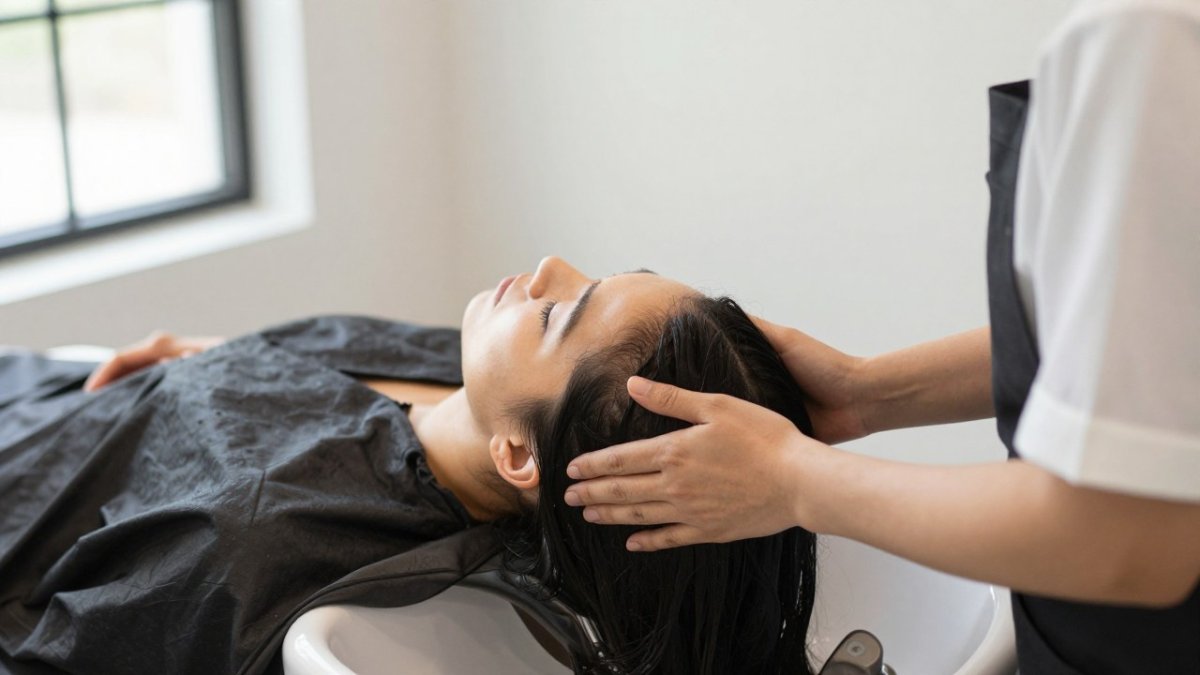
A professional scalp detox is often a multi-step appointment rather than a single shampoo. The exact sequence varies by provider. Knowing the general steps in advance can help you judge whether a session is worth booking and what results are realistic.
How long it takes and what it costs. Session length and pricing vary by service. For current pricing and session details, check Coastal Polish & Beauty's website or request a quote when you book.
What results to expect. A scalp detox cannot change hair growth, cure dandruff, or treat a scalp condition; if those are your goals, a medical evaluation is the better path. Buildup can return with normal oil production, sweat, and product use.
The article outlines what sets a professional scalp detox apart from a home routine, and how the two compare.
| Option | Best for | Key difference |
|---|---|---|
| Home scalp detox | Mild buildup | Clarifying shampoo once every one to two weeks |
| Professional scalp detox | Stubborn buildup | Multi-step session with a specialist |
| Clarifying shampoo | Occasional residue removal | Stronger surfactants than daily shampoo |
| Scalp scrub | Loosening dead skin cells | Gentle exfoliation, once a week at most |
Who Should Skip It and When to See a Doctor
A scalp detox is a cosmetic cleansing treatment, not a medical one, and it may not be appropriate for every scalp. Exfoliation and strong clarifying products can irritate skin that is already compromised, so the decision to book should start with an honest check of your scalp's current state.
Consider postponing a detox if you have:
- Broken, cracked, or weeping skin on the scalp, including open sores, scabs, or a recent cut. Exfoliants and massage can introduce irritation and delay healing.
- An active flare of a diagnosed scalp condition, such as psoriasis, seborrheic dermatitis, or eczema, unless your dermatologist has cleared cosmetic treatments. Clarifying surfactants and acids can sting or worsen inflammation during a flare.
- A known allergy or sensitivity to fragrance, essential oils, salicylic acid, or other common exfoliating ingredients. Ask about the products used before booking and consider a patch test if you have reacted to products before.
- A recent chemical service or scalp injury. Color, relaxers, and lighteners can leave the scalp temporarily sensitive; give it time to settle before adding exfoliation.
- A sunburned or windburned scalp. Treat it like any other burned skin and wait until it has healed.
- A fresh tattoo or cosmetic scalp procedure in the treatment area, until the provider or your doctor says it is safe.
When to see a doctor instead of booking. Some symptoms overlap with what a detox is marketed to fix, which is exactly why they deserve a medical look first. See a dermatologist or your primary care provider if you notice:
- Hair loss that is patchy, sudden, or accompanied by scaling or redness
- Persistent painful redness, swelling, warmth, or pus
- Sores, crusts, or bleeding that do not heal
- Flaking that continues for several weeks despite clarifying care, or that comes with significant itch
- A scalp that feels tender to the touch or reacts to many products
These signs can point to conditions, such as seborrheic dermatitis, psoriasis, fungal infection, or contact dermatitis, that a salon treatment will not resolve and may aggravate. A doctor can confirm the cause and recommend treatment; a detox can be revisited once the scalp is stable and cleared for cosmetic care.
A note on 'detox' claims. Cleansing can remove oil, sweat, dead skin cells, and product residue. It cannot pull 'toxins' out of the body, and it does not treat hair loss or cure dandruff. If a provider promises those outcomes, treat it as a red flag and ask what the treatment actually involves.
Watch out: if you are unsure whether a symptom is buildup or a skin condition, err toward a medical evaluation first.
Booking Your First Head Spa Session at Coastal Polish & Beauty
If your symptoms match the signs above and home care hasn't helped, a professional scalp detox may be worth considering. Coastal Polish & Beauty, a Newport Beach wellness destination, offers head spa treatments in a relaxed setting.
Book your session through Coastal Polish & Beauty's website to get started and to check current availability.
Frequently Asked Questions
How do you know if your scalp needs a detox?
Look for a cluster of signs that persist for several weeks: itchiness, greasy roots within a day or two of washing, flakes that do not clear, or hair that feels heavy, limp, or dull despite regular washing. A detox is more likely to help when the problem is product buildup or excess oil rather than a medical condition. If your symptoms come with redness, pain, hair loss in patches, or a scalp that does not respond to gentle care within a few weeks, a dermatologist should evaluate it first.
How often should you get a scalp detox treatment?
Most people do not need a professional scalp detox more than every few months, and many do fine with one a few times a year. Frequency depends on how much styling product you use, how often you wash, and how quickly your scalp produces oil. Because your needs can change, it is reasonable to start with one session, notice how your scalp and hair feel over the following weeks, and then decide whether to book another. Ask a provider for a recommendation based on your scalp and routine.
Can a scalp detox help with an itchy or flaky scalp?
It can help when itchiness or flaking comes from buildup of oil, dead skin cells, and styling residue, because clarifying steps remove that material. It will not treat dandruff, eczema, psoriasis, or fungal conditions, and those may get worse with harsh products. If itching or flaking continues after a detox, or if you notice scaling, sores, or spreading redness, book a visit with a dermatologist before scheduling another treatment.
How is a professional scalp detox different from using clarifying shampoo?
A clarifying shampoo is a product you use at home to remove some residue during a regular wash. A professional scalp treatment is a salon service that may differ from at-home clarifying in depth and method. Clarifying shampoo is a useful everyday tool for many people, but a professional session may be worth considering when buildup feels stubborn despite regular clarifying at home.