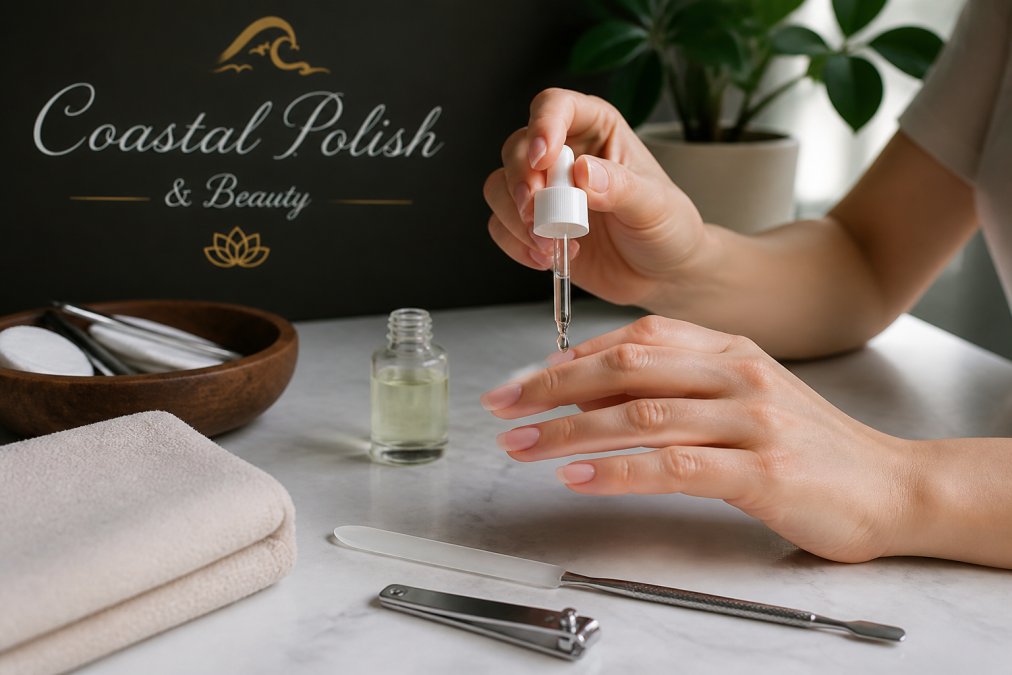
 how-to
Maintaining Nail Health Between Appointments: 2026 Guide
Table of Contents
- Daily Habits That Protect Your Nail Health
- How to Prevent Gel Polish Lifting
- Choosing the Best Cuticle Oil for Nail Growth
- How Long Should You Wait Between Acrylic Fills?
- Chemical Safety and Ingredient Awareness
- Nutrition, Hydration, and Nail Growth
- Common Mistakes That Damage Nails Between Visits
- Frequently Asked Questions
Last Updated: September 17, 2026
Daily Habits That Protect Your Nail Health
Maintaining nail health between appointments comes down to a few daily habits that take under five minutes. Maintaining nail health between appointments comes down to a few daily habits that take under five minutes.
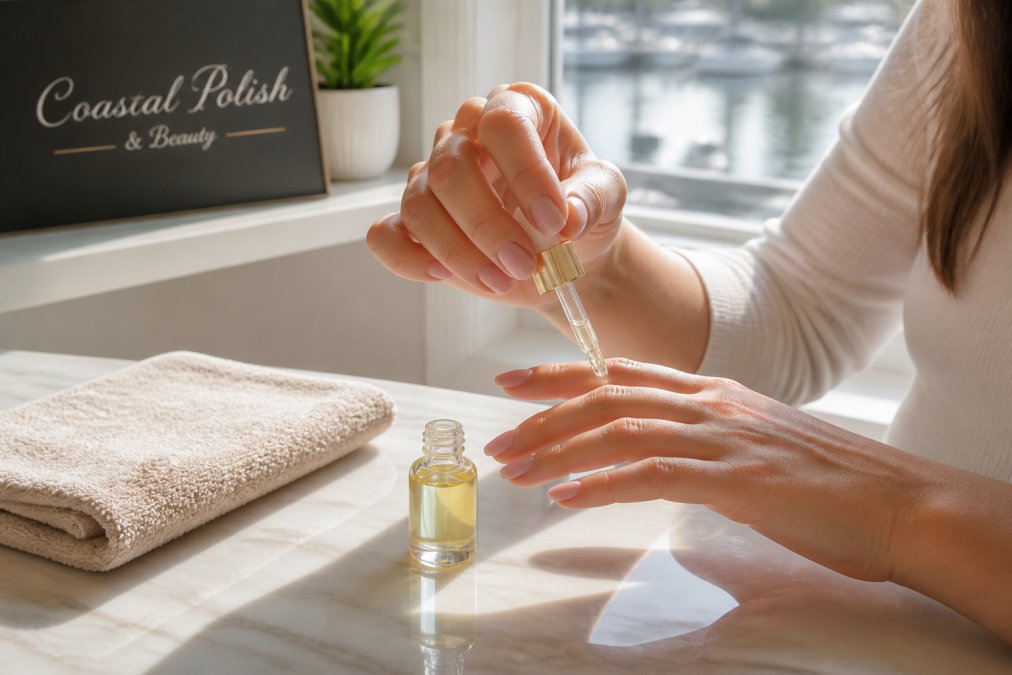
Your nails are not dead tissue. The nail matrix under the cuticle, where growth starts, is living tissue that responds to moisture, trauma, and nutrition. Treat it well and nails get stronger; ignore it and you get peeling, splitting, and brittleness.
Here is what matters each day, and why:
- Apply cuticle oil at least twice daily. Morning and before bed is the minimum; nails lose moisture continuously, so one application wears off within hours.
- Wear gloves for wet work and cleaning. Water is the most underestimated cause of nail damage; gloves keep the nail plate from swelling and then drying out.
- Keep nails filed smooth to prevent snags. A rough edge catches on fabric, hair, and clothing, pulling at the nail plate. A fine-grit file used in one direction keeps edges sealed.
- Moisturize hands after every wash. Soap strips oils from skin and nails; replacing them within a minute or two keeps the cuticle from drying and cracking.
- Avoid harsh acetone-based removers between salon visits. Acetone dissolves polish but pulls moisture from the nail plate. At home, use acetone-free formulas or apply acetone only to the polish, not the surrounding skin.
Hydration and Cuticle Oil
Cuticle oil is the single most effective product for keeping nails flexible and strong. Hydrated nails bend instead of breaking; dry nails crack and peel.
Protective Gloves for Household Tasks
Water is the enemy most people overlook. Every time you wash dishes, clean with sprays, or scrub a bathroom, nails absorb water and dry out fast, and that cycle causes splitting.
Wear rubber gloves for:
- Dishwashing and hand-washing dishes
- Cleaning with any chemical spray
- Gardening
- Handling laundry detergent
Timing Your Routine Around Your Appointment
The 48 hours around a salon visit are the highest-risk window for nail damage. After a gel or acrylic application, the bond between product and nail plate is still settling, and water exposure in the first 24 hours is the leading cause of premature lifting.
A simple schedule that works:
- Day of appointment: No hand washing beyond a quick rinse, no dishes, no swimming.
- Day after: Resume normal hand washing but keep nails out of prolonged water.
- Day three onward: Normal routine with cuticle oil twice daily.
- Final week before next visit: Check for lifting at the cuticle line and book a fill if you see a gap.
How to Prevent Gel Polish Lifting
To prevent gel polish lifting, keep water off your nails for 24 hours after your appointment and treat them gently for the full wear period. To prevent gel polish lifting, keep water off your nails for 24 hours after your appointment and treat them gently for the full wear period.
Follow these rules:
- Wait 24 hours before soaking your hands
- Push back cuticles gently, never aggressively
- Avoid picking at the edges, even a little
- Use a top coat refresh if edges start to dull
- Book fills before major lifting starts
Avoid Using Nails as Tools
Your nails are not screwdrivers, can openers, or box cutters. This is the fastest way to chip polish and crack the natural nail underneath.
Common offenders:
- Opening soda cans with a fingernail
- Scraping labels or stickers
- Peeling produce stickers
- Prying lids off containers
- Typing with the nail tips instead of the pads of your fingers
Choosing the Best Cuticle Oil for Nail Growth
The best cuticle oil for nail growth is one you will actually use daily. Consistency matters more than ingredients: a simple jojoba-based oil applied twice daily beats an expensive blend used once a week.
When comparing options, look at the base oil first:
| Oil Type | Why It Helps | Best For |
|---|---|---|
| Jojoba | Closest to natural sebum, absorbs fast | Daily use, all nail types |
| Vitamin E | Antioxidant, supports the nail matrix | Dry, brittle nails |
| Almond | Rich, softens cuticles | Thick cuticles, dry skin |
| Coconut | Deep moisture, slow to absorb | Overnight treatment |
| Argan | Light, non-greasy | Frequent reapplication |
How Long Should You Wait Between Acrylic Fills?
Wait two to three weeks between acrylic fills for most nails. Past three weeks, the growth gap at the cuticle gets wide enough to catch and lift.
Signs you should not wait any longer:
- Visible gap at the cuticle line
- Any lifting at the sides or free edge
- A nail that feels loose when you tap it
- Discoloration under the acrylic
Chemical Safety and Ingredient Awareness
The products used on your nails contain chemicals, and knowing which ones to watch for protects your health. Acetone, toluene, formaldehyde, and methacrylate monomers are common in polish, removers, and enhancements. Most are safe when used correctly in a ventilated salon. Some cause reactions in sensitive people.
Watch for these signs after any product application:
- Redness or itching around the nail
- Swelling at the cuticle
- A rash on fingertips
- Burning during application
Nutrition, Hydration, and Nail Growth
Nails grow about 3 millimeters per month, and what you eat and drink affects how strong they are. A balanced diet with enough protein, iron, and B vitamins supports healthy nail growth from the matrix outward.
What Each Nutrient Actually Does
- Protein: Nails are roughly 80 percent keratin, a protein. Chronically low protein intake can affect nail strength.
- Iron: Iron carries oxygen to the nail matrix. Low iron can be a cause of brittle, spoon-shaped nails.
- Biotin: Supports keratin infrastructure. Deficiency is rare.
- Zinc: Needed for cell division in the matrix. Low zinc can be associated with white spots and slow growth.
- Vitamin C: Required for collagen production, which supports the nail bed.
- Water: Hydration works from the inside and the outside. Drink water throughout the day and keep oil on your nails. Both matter.
When Nail Changes Signal Something More
Most nail issues are cosmetic. A few are not. See a doctor if you notice:
- Sudden changes in nail texture, color, or thickness without a clear cause
- Horizontal ridges (Beau's lines) that appear across multiple nails, often follow illness, injury, or nutritional deficiency
- Spoon-shaped nails (koilonychia), a classic sign of iron deficiency
- Yellow, thickened nails that separate from the nail bed, can indicate a fungal infection or, rarely, thyroid or lung issues
- Dark streaks under a single nail that are not from trauma, should be evaluated by a dermatologist
The Biotin Question
Biotin supplements get a lot of attention for nail growth, but the evidence is mixed unless you have an actual deficiency. For people with normal biotin levels, studies have not consistently shown a benefit. Biotin can also interfere with certain lab tests.
Common Mistakes That Damage Nails Between Visits
Most nail damage happens between appointments, not during them. Avoiding a few common mistakes keeps your nails healthier and your manicures lasting longer.
The biggest offenders:
- Picking at polish. Thins the nail plate every time.
- Skipping cuticle oil. Dry nails peel and break.
- Using nails as tools. Causes chips, cracks, and splits.
- Over-buffing at home. Removes protective layers.
- Letting fills go too long. Leads to lifting and infection risk.
- Bare hands in cleaning products. Chemical exposure dries nails out fast.
- Aggressive filing. Saws back and forth and weakens edges.
Frequently Asked Questions
What is the healthiest way to maintain nails between professional services?
Keep nails moisturized with cuticle oil daily, wear protective gloves for household chores, and avoid using nails as tools. File in one direction to prevent splitting. Stay hydrated and eat a balanced diet with biotin-rich foods. Schedule regular salon visits every 3-4 weeks for professional maintenance. These habits support the nail plate and matrix between appointments.
How often should you apply cuticle oil for maximum nail health?
Apply cuticle oil at least once daily, ideally twice: morning and before bed. For very dry or brittle nails, use it after every hand washing. Look for oils with jojoba, vitamin E, or squalane. Massage into the cuticle and nail bed to boost hydration and support keratin structure. Consistent use is more important than quantity.
Can diet and hydration impact the health of your nails?
Yes. Nails need protein, biotin, iron, and zinc to grow strong. Dehydration makes nails brittle and prone to splitting. Drink water throughout the day and eat foods like eggs, nuts, and leafy greens. A balanced diet supports the nail matrix, the area under the cuticle where new cells form. Supplements only help if you have a deficiency.
Should you push your cuticles back at home?
Avoid pushing cuticles back at home unless your technician shows you how. The cuticle seals the nail bed against bacteria and fungal infection. Pushing too hard can damage that seal and cause inflammation. Instead, soften cuticles with oil and gently push only the dead skin after a shower. Let a professional handle deeper cuticle work during salon visits.
Nail care between appointments is where results are won or lost, and it takes less effort than most people expect. Coastal Polish & Beauty is here to support that routine with personalized care, premium products, and a clean, calm space. Our team offers expert manicures and pedicures, careful attention to sensitive skin, and a relaxing Head Spa treatment for a true reset. Book Now and let us help you keep your nails strong and beautiful between every visit.