 how-to
7 Steps to Prevent Ingrown Hairs After Waxing
Last Updated: October 25, 2026
Quick Summary
To prevent ingrown hairs after waxing, start gentle exfoliation at 48-72 hours post-appointment and continue two to three times per week for four weeks as hair regrows. Keep skin clean, moisturized, and free from tight clothing, heat, and sweat during the first 48 hours to avoid trapping new growth beneath the skin.
- Wait 48-72 hours after waxing before beginning any exfoliation to avoid irritating freshly compromised skin.
- Exfoliate three to four times per week during days 3-14 when new hair actively breaks the surface.
- Use chemical exfoliation like salicylic acid for the bikini area and physical exfoliation like mitts for legs.
- Avoid hot showers, saunas, intense exercise, and tight clothing for at least 48 hours after waxing.
- Continue two to three exfoliation sessions weekly for four weeks and between appointments to keep follicles clear.
Table of Contents
- Why Ingrown Hairs Occur After Waxing
- When to Exfoliate After Waxing
- How to Exfoliate After Waxing: Methods That Work
- Waxing Aftercare Tips for Smooth, Healthy Skin
- How to Treat Ingrown Hairs After Waxing
- Preventing Ingrown Hairs by Body Area and Skin Type
- Book Your Professional Waxing at Coastal Polish & Beauty
- Frequently Asked Questions
Why Ingrown Hairs Occur After Waxing
An ingrown hair happens when a hair grows back into the skin instead of rising above it.
Several factors make ingrown hairs more likely after waxing. Dead skin cells can block hair follicles, trapping new growth underneath, while heat, sweat, and friction from tight clothing push hair back into the skin.
Most cases are preventable with the right aftercare routine, and learning how to prevent ingrown hairs after waxing starts immediately after your appointment.
When to Exfoliate After Waxing
The single biggest mistake people make after waxing is exfoliating too soon. Freshly waxed skin has lost a thin layer of surface cells, leaving the barrier temporarily compromised. Scrubbing or applying acids during that window does not prevent ingrown hairs, it inflames the follicle and makes trapping more likely. A structured timeline removes the guesswork.
The first 72 hours: hands off
- Hours 0-24: Do not exfoliate or apply acids, retinoids, benzoyl peroxide, or fragranced products. Clean with lukewarm water and a mild, fragrance-free cleanser, pat dry, and moisturize. Skip hot showers, saunas, steam rooms, and sweaty exercise. Wear loose cotton clothing.
- Hours 24-48: Continue gentle cleansing and moisturizing. Light activity is fine if you shower promptly, but avoid friction from tight waistbands, straps, or athletic gear. Still no exfoliation.
- Hours 48-72: The earliest safe window for most people to begin gentle exfoliation. Start with one pass every other day, not daily. If skin stings, burns, or reddens, wait another 48 hours and try a gentler method.
Weeks 1-4: the regrowth window
New hair typically begins breaking the surface within one to three weeks after waxing. This is when ingrown hairs form, so consistency matters more than intensity.
- Days 3-14: Exfoliate every other day, roughly three to four times per week. Alternate methods if your skin tolerates it (a physical mitt one session, a salicylic acid product the next), but never layer physical and chemical exfoliation on the same day.
- Weeks 2-4: Maintain two to three sessions per week. Hair is actively growing back, and dead-cell buildup is the main trap risk.
- Week 4 and beyond: Continue two to three sessions per week until your next appointment. If you wax every four to six weeks, this keeps the follicle clear between visits.
When to resume exercise, heat, and tight clothing
- Exercise and sweat: Wait 24 hours for light activity and 48 hours for intense workouts, hot yoga, or heavy sweating in the waxed area. Shower with lukewarm water immediately after.
- Heat exposure: Avoid hot tubs, saunas, steam rooms, and hot baths for 48 hours. Heat dilates pores and increases inflammation.
- Tight clothing: Avoid tight waistbands, straps, and synthetic fabrics for at least 48 hours, and three to five days for the bikini area and underarms.
Adjustments by body area and skin type
- Bikini area: Start exfoliating at 72 hours rather than 48, and favor chemical exfoliation over scrubs. The skin is thin and hair tightly curled, so irritation escalates quickly.
- Underarms: Wait 72 hours and use a lower-strength acid or soft mitt. Skip deodorant and antiperspirant for 24 hours.
- Legs: The 48-hour window is usually fine, and leg skin tolerates physical exfoliation well.
If you are unsure how your skin will respond, patch-test on day three before treating the full waxed area, it costs nothing and prevents a week of irritation.
Follow this timeline to exfoliate safely and prevent ingrown hairs without irritating freshly waxed skin.
| Timeline | What to Do | What to Avoid |
|---|---|---|
| Hours 0-24 | Gentle cleanse, moisturize, pat dry | Exfoliation, acids, retinoids, hot showers, exercise |
| Hours 24-48 | Continue gentle care, light activity okay | Exfoliation, tight clothing, friction |
| Hours 48-72 | Begin gentle exfoliation every other day | Layering physical and chemical methods |
| Days 3-14 | Exfoliate three to four times per week | Daily exfoliation, skipping moisturizer |
| Weeks 2-4 | Maintain two to three sessions per week | Over-exfoliation, irritating products |
| Week 4+ | Continue two to three sessions weekly | Inconsistent care between appointments |
How to Exfoliate After Waxing: Methods That Work
Exfoliation is the highest-leverage habit to prevent ingrown hairs after waxing, but the method matters as much as the timing. Physical and chemical exfoliants work differently and carry different risks when overused. The goal is not to scrub harder, it is to keep the follicle opening clear without damaging the skin barrier.
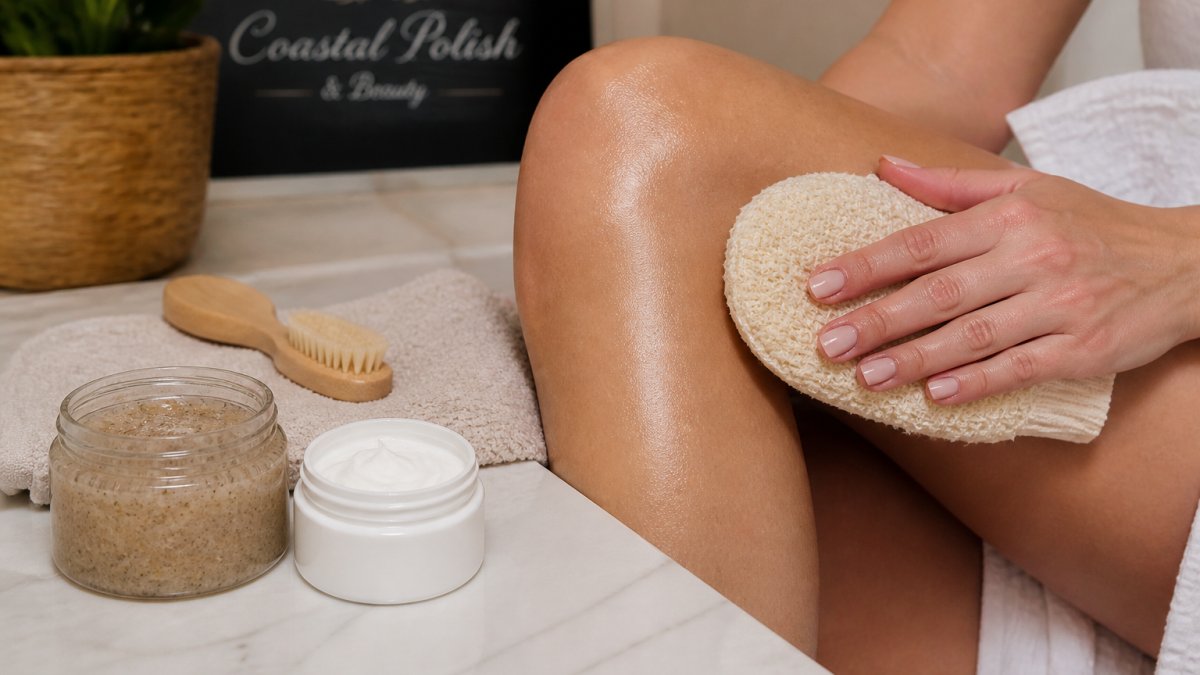
Physical vs. chemical exfoliation: how they differ
Physical exfoliation uses friction, gloves, mitts, brushes, or scrubs, to lift dead cells off the surface.
Chemical exfoliation uses acids to dissolve the bonds holding dead skin cells together. Glycolic acid (an AHA) works on the surface; salicylic acid (a BHA) is oil-soluble and penetrates the pore, making it particularly useful for ingrown hairs because it addresses buildup inside the follicle.
Choosing a method by skin type and body area
- Sensitive or reactive skin: Choose chemical exfoliation with a low-strength acid (around 5% glycolic or 0.5-1% salicylic) or a soft exfoliating mitt used with very light pressure. Avoid coarse scrubs and brushes.
- Acne-prone or oily skin: Salicylic acid is usually the better fit because it works inside the pore. Use it two to three times per week and follow with a non-comedogenic moisturizer.
- Dry or mature skin: Glycolic acid plus a richer fragrance-free moisturizer helps prevent the flaking that can trap hair. Avoid combining with physical scrubs on the same day.
How to avoid over-exfoliation
Over-exfoliation is the most common self-inflicted setback. Watch for these signs and back off for at least a week:
- Stinging or burning when you apply moisturizer
- Persistent redness or tightness after exfoliating
- Flaking, peeling, or shiny, waxy-looking skin
A simple rule: if skin feels smooth and calm the morning after exfoliating, the frequency is right. If it feels raw or sensitive, reduce to once per week or switch to a gentler method.
Product and medication safety on freshly waxed skin
Freshly waxed skin absorbs more than intact skin, and some common products become irritants in that window.
- Retinoids (tretinoin, adapalene, retinol): Do not apply to waxed skin for at least five to seven days. Retinoids thin the surface layer and increase the risk of burns, peeling, and post-inflammatory hyperpigmentation.
- Benzoyl peroxide: Avoid on waxed areas for at least 48 hours; it is drying and can intensify irritation.
- Hydrocortisone: A low-strength over-the-counter cream can calm redness, but use it sparingly and for no more than a few days. Do not apply it to broken skin or combine it with acids on the same area.
A simple weekly routine that works for most people
- Day 3 after waxing: One gentle chemical exfoliation session (salicylic or low-strength glycolic) or a soft mitt pass.
- Day 5: Repeat, using the same method.
- Day 7 onward: Two to three sessions per week, alternating methods only if your skin tolerates it.
This routine keeps the follicle clear during the weeks when new hair is pushing through, without stripping the barrier that protects the skin. If you are prone to persistent ingrown hairs despite consistent care, a dermatologist can evaluate whether a prescription topical or a different hair-removal approach is appropriate.
Waxing Aftercare Tips for Smooth, Healthy Skin
Beyond exfoliation, several daily habits prevent ingrown hairs and keep your waxed skin healthy.
Keep the area clean. Wash waxed skin gently with lukewarm water and mild soap twice daily.
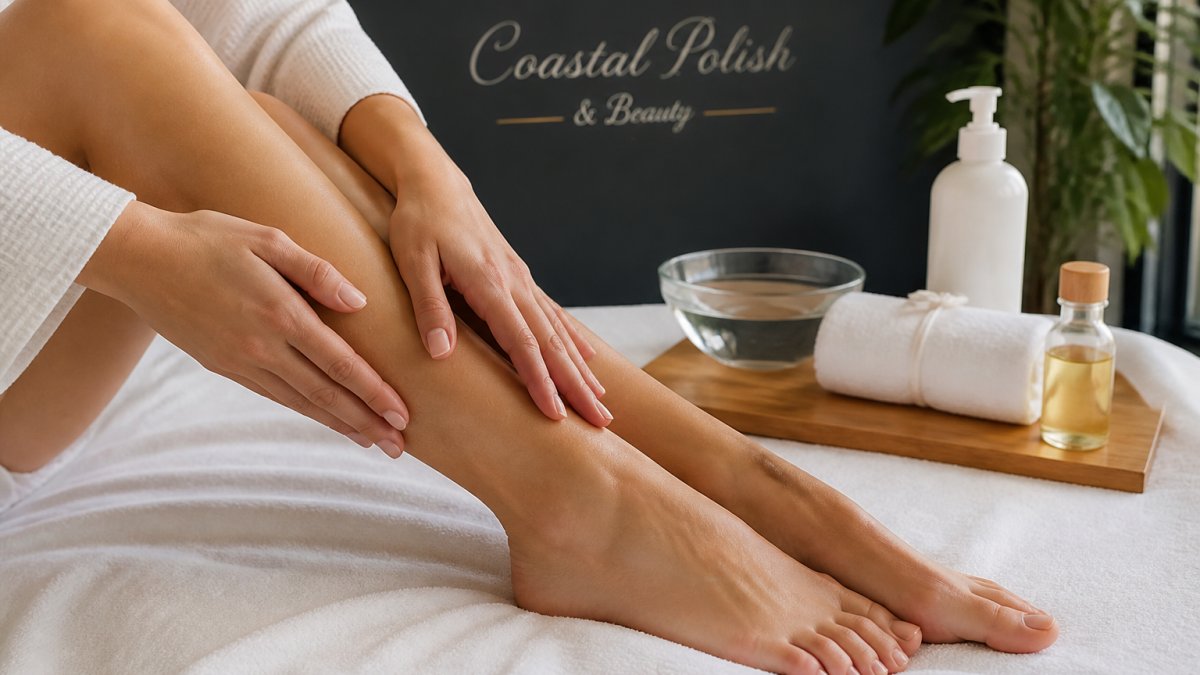
Moisturize daily. Apply a fragrance-free moisturizer morning and night. Hydration strengthens the skin barrier and reduces irritation.
Schedule and Appointment today for 10% Off your service →
Avoid heat and sweat. Skip hot showers, saunas, and intense exercise for 24-48 hours after waxing.
How to Treat Ingrown Hairs After Waxing
If an ingrown hair does develop, don't panic. Most cases resolve on their own with proper care.
Let it heal naturally. Avoid picking, squeezing, or digging out the hair, this causes infection, scarring, and more irritation.
Use a warm compress. Apply a warm (not hot) compress for 10 minutes, two to three times daily. This reduces inflammation, opens the pore, and sometimes lets the hair surface naturally.
Continue gentle exfoliation. Gentle, consistent exfoliation helps the trapped hair work its way out and prevents new ingrown hairs from forming.
Watch for infection signs. If the area becomes increasingly painful, develops pus, or shows signs of infection, seek professional help to prevent complications.
Most ingrown hairs resolve within one to two weeks with this approach. If they persist beyond that or show signs of infection, consult a dermatologist.
Preventing Ingrown Hairs by Body Area and Skin Type
Different body areas and skin types need tailored approaches to prevent ingrown hairs effectively.
Bikini area. Tightly curled hair and thin skin make ingrown hairs common here.
Legs. Leg skin is thicker and more resilient, so physical exfoliation works well here.
Underarms. Underarm skin is sensitive and prone to irritation.
Sensitive skin. If your skin reacts easily, start exfoliating at day three instead of day two. Choose chemical exfoliation over physical methods and products labeled for sensitive skin, and moisturize twice daily with a fragrance-free product. If your skin is very reactive, consult a professional about safe waxing frequency for sensitive skin before scheduling appointments.
Curly or coarse hair. Curly hair is more prone to ingrown hairs because it naturally curves back toward the skin.
Book Your Professional Waxing at Coastal Polish & Beauty
Professional waxing reduces ingrown hair risk compared to at-home methods because trained technicians use proper technique, quality products, and appropriate aftercare guidance. Learn what to expect and explore professional waxing services and pricing at Coastal Polish & Beauty. When you're ready to prevent ingrown hairs with expert care, book a professional waxing appointment at Coastal Polish & Beauty.
Preventing ingrown hairs after waxing comes down to consistent aftercare: starting exfoliation at the right time, choosing the method that suits your skin, and keeping skin clean and hydrated as hair regrows. When you're ready for professional waxing, Coastal Polish & Beauty offers expert technicians, premium products, and a clean, welcoming environment designed for your comfort and confidence.
Frequently Asked Questions
What is the 48-hour rule for waxing?
The 48-hour rule means you should wait at least 48 hours after waxing before exfoliating or applying active products to the waxed area. During the first 48 hours, your skin is most sensitive and irritated. After this window, gentle exfoliation helps prevent ingrown hairs by removing dead skin cells that can trap hair follicles beneath the surface. Avoid hot baths, tight clothing, and intense exercise during this initial period.
Why am I getting ingrown hairs after waxing?
Ingrown hairs occur when hair grows back into the skin instead of rising above the surface. After waxing, new hair is often curly or blunt, making it more likely to curl back and pierce the skin. Dead skin cells can also clog pores and trap hair underneath. Friction from tight clothing, heat, sweat, and inadequate exfoliation all increase your risk. Professional waxing technique and consistent aftercare significantly reduce ingrown hair formation.
How do I prevent ingrown hairs in sensitive areas like the bikini area?
Sensitive areas require extra care: wait the full 48 hours before any exfoliation, use only fragrance-free, hydrating products, and choose chemical exfoliation with gentle salicylic acid over physical scrubbing. Wear loose, breathable cotton underwear for at least 3 days after waxing to minimize friction and irritation. Keep the area clean but avoid hot water, swimming, and saunas. If redness or tenderness persists beyond 24 hours, skip exfoliation and focus on soothing moisturizers until skin calms.
When should I see a professional about ingrown hairs after waxing?
Seek professional help if you experience severe inflammation, signs of infection (pus, warmth, or spreading redness), ingrown hairs that don't improve after 2 weeks, or recurring problems in the same area. A dermatologist can assess whether your skin type or hair growth pattern requires a different hair-removal approach. If at-home treatment isn't working, professional treatments or prescription topical anti-inflammatory products may be necessary.