 how-to
Safe Waxing Frequency for Sensitive Skin
Table of Contents
- Understanding Waxing Frequency for Sensitive Skin
- Waxing Frequency by Body Area for Sensitive Skin
- Best Wax for Sensitive Skin Types
- Pre-Wax Preparation for Sensitive Skin
- Waxing Aftercare for Sensitive Skin
- When Not to Wax Sensitive Skin
- Determining Your Personal Waxing Schedule
- Frequently Asked Questions
Last Updated: October 18, 2026
Understanding Waxing Frequency for Sensitive Skin
The right waxing frequency sensitive skin requires depends on your hair growth cycle and how quickly your skin recovers. Most people with sensitive skin can wax every 4-6 weeks, but timing varies by body area, skin condition, and healing response.
At Coastal Polish & Beauty, we help clients with reactive skin find the right schedule by spacing treatments far enough apart for the skin barrier to fully repair.
How Hair Growth Cycles Affect Appointment Timing
Hair grows in three phases: growth, transition, and resting. Waxing works best when most hair is in the active growth phase, a cycle that takes 3-6 weeks depending on body area.
Leg hair grows slower than underarm or facial hair, so leg waxing can stretch to 5-6 weeks while facial waxing may need to happen every 3-4 weeks.
Waiting longer means more hairs are ready to remove, but waiting too long leaves some hairs too short to grab, causing uneven regrowth.
Why Sensitive Skin Needs Longer Recovery Between Appointments
Sensitive skin has a weaker barrier and reacts more intensely to waxing, which removes hair plus a thin layer of skin cells. Most skin heals in 24-48 hours; sensitive skin can take 5-7 days for inflammation to settle.
Waxing too frequently stacks irritation on irritation, so redness and sensitivity build with each appointment.
Determining the correct waxing frequency sensitive skin needs means spacing appointments 5-6 weeks apart instead of the standard 4, trading slightly longer regrowth for calmer, healthier skin.
Waxing Frequency by Body Area for Sensitive Skin
Body areas differ in hair growth rate and skin sensitivity, so timing varies significantly.
Facial Waxing Intervals
Facial hair grows faster than body hair, typically requiring appointments every 3-4 weeks for sensitive skin, with upper lip and chin hair often needing attention more often than eyebrows.
Facial skin is thinner and more reactive, and even gentle waxing can cause redness lasting 24-48 hours.
If you're using active skincare ingredients like retinol or vitamin C, space facial waxing further apart. These ingredients thin the skin and increase sensitivity, so your skin needs extra recovery time.
Underarm Waxing Schedule
Underarm hair grows quickly and densely, but the skin is sensitive. Most people with sensitive skin do well with underarm waxing every 4-5 weeks.
Thin, delicate skin in a warm, moist environment makes the underarm prone to irritation and ingrown hairs. Avoid back-to-back appointments, and allow at least one week between treatments if ingrown hairs are an issue.
Bikini and Brazilian Waxing Timing
The bikini area has some of the most sensitive skin on your body, and hair grows in multiple directions at different rates, making timing tricky.
For sensitive skin, schedule bikini waxing every 5-6 weeks. Brazilian waxing, which removes all hair, should happen no more frequently than every 5-6 weeks for reactive skin.
Curved hair growth makes this area prone to ingrown hairs, and longer intervals help by giving hair time to grow out fully before removal.
Leg and Body Waxing Frequency
Leg hair grows more slowly than facial or bikini hair, so sensitive skin can stretch appointments to 5-6 weeks; arms and back follow similar timing.
Leg skin is thicker and more resilient than facial skin, but sensitive legs can still show redness and irritation, so space leg waxing 5-6 weeks apart for full recovery.
Best Wax for Sensitive Skin Types
The type of wax matters as much as how often you wax, since hard and soft wax behave very differently on sensitive skin.
Hard Wax vs. Soft Wax for Sensitive Skin
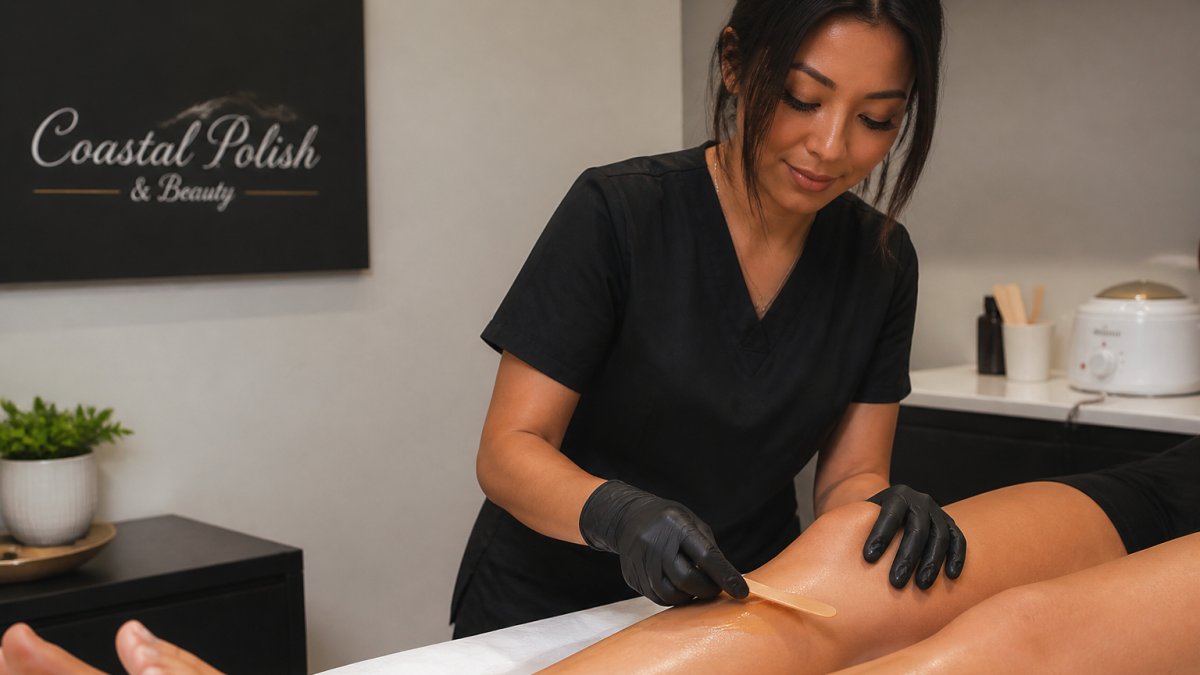
Hard wax hardens as it cools and is removed by peeling it off the skin without a strip.
Soft wax stays pliable and requires cloth strips.
For sensitive skin, hard wax is almost always the better choice. It causes less trauma to the skin barrier and reduces redness and inflammation.
Some professionals use a hybrid approach: hard wax for delicate zones and soft wax for larger areas, balancing effectiveness with gentleness.
Ingredient Considerations and Patch Testing
Some waxes contain fragrance, essential oils, or additives that trigger reactions in sensitive skin. Look for waxes labeled hypoallergenic or formulated for sensitive skin.
Ask your esthetician what brand of wax they use and whether it contains common irritants like fragrance or tree nut oils, and mention any past reactions.
When trying a new salon or wax brand, ask for a patch test on a small area 24 hours before your full appointment to see if you'll react.
Pre-Wax Preparation for Sensitive Skin
Good prep reduces irritation and improves results.
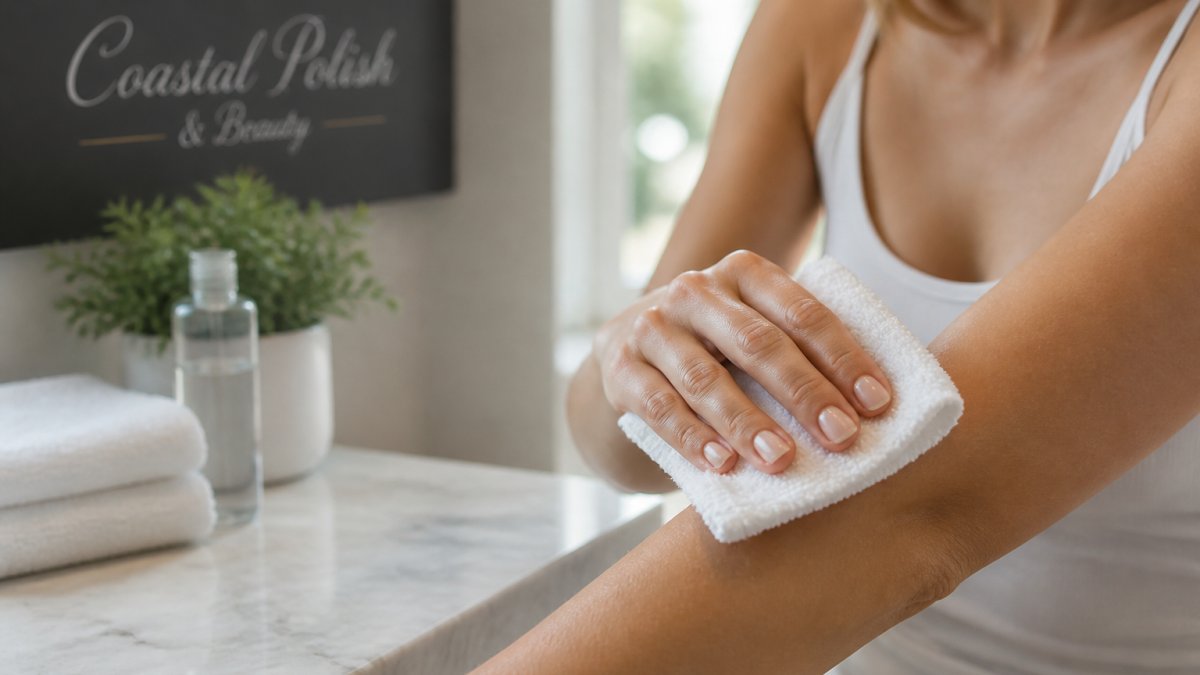
Timing Your Appointment Within Your Cycle
Hormonal changes affect skin sensitivity, and many people find their skin most reactive just before and during their period.
If possible, schedule waxing appointments during the week after your period ends, when skin sensitivity is typically lower. Avoid booking during the days leading up to your period or during menstruation itself.
This timing isn't a hard rule, but it can reduce discomfort and irritation if your skin is hormonally sensitive.
Skincare Steps Before Your Appointment
Stop using active skincare ingredients 3-5 days before waxing. This means pausing retinol, vitamin C serums, AHAs, BHAs, and any prescription-strength acne treatments. These thin the skin and increase sensitivity.
Exfoliate gently 1-2 days before your appointment, but only if your skin isn't already irritated. Gentle exfoliation removes dead skin and helps the wax grip hair more effectively.
Schedule and Appointment today for 10% Off your service →
The day of your appointment, wear clean, loose clothing. Avoid tight clothes that will rub against freshly waxed skin.
Waxing Aftercare for Sensitive Skin
What you do after waxing matters as much as what you do before. Proper aftercare prevents irritation, ingrown hairs, and infection.
First 24 Hours: Immediate Post-Wax Care
Avoid heat for the first 24 hours. This means no hot showers, saunas, steam rooms, or intense exercise.
Skip fragrance, essential oils, and active ingredients for at least 24 hours. Use a gentle, fragrance-free moisturizer instead.
Wear soft, breathable clothing that won't irritate freshly waxed skin. Avoid tight jeans, workout gear, or anything that creates friction.
Don't touch the waxed area unnecessarily. Your hands carry bacteria, and freshly waxed skin is more vulnerable to infection.
Managing Redness, Inflammation, and Ingrown Hairs
Some redness is normal for 24-48 hours. If it lasts longer or intensifies, you may be having a reaction.
For stubborn redness, apply cool compresses or use a product with anti-inflammatory ingredients like niacinamide or zinc.
Ingrown hairs develop when hair curls back into the skin instead of growing outward.
If an ingrown hair becomes infected (red, swollen, painful, or oozing), don't try to extract it yourself. See a dermatologist or healthcare provider.
When to Seek Professional Help
Contact a dermatologist if you develop signs of infection: increasing redness, warmth, swelling, pus, or fever. These can indicate a bacterial infection that needs medical treatment.
If you have severe allergic reactions (hives, difficulty breathing, or severe swelling), seek immediate medical attention.
If redness and irritation persist beyond 5-7 days, or if you develop a pattern of severe reactions after every wax, talk to a dermatologist.
When Not to Wax Sensitive Skin
Some situations make waxing unsafe, even for people without sensitive skin. For sensitive skin, the list of contraindications is longer.
Active Skin Conditions and Medications
Don't wax if you have active eczema, psoriasis, or dermatitis in the area being waxed. Waxing will irritate these conditions and potentially make them worse.
Certain medications increase skin sensitivity and photosensitivity. If you're taking retinoids, antibiotics like doxycycline, or other medications that affect skin, ask your doctor or pharmacist whether waxing is safe.
If you've had chemical peels, laser treatments, or microdermabrasion within the past 2 weeks, wait before waxing. Your skin barrier is compromised and needs time to recover.
Signs Your Skin Isn't Ready for the Next Appointment
If redness, irritation, or sensitivity from your last appointment hasn't fully resolved, postpone your next wax. Adding another wax on top of unhealed skin compounds the damage.
If you're using prescription acne medications or have active breakouts, wait until your skin clears before scheduling waxing. Waxing over active acne can spread bacteria and worsen breakouts.
If your skin feels raw, tender, or painful to the touch, it's not ready for waxing. These are signs your skin barrier is compromised.
Determining Your Personal Waxing Schedule
Everyone's skin is different. Your ideal waxing frequency might differ from your friend's, even if you both have sensitive skin.
Tracking Recovery and Adjusting Frequency
Keep a simple log of your waxing appointments and how your skin responds.
After 2-3 appointments, you'll see patterns. If your skin is still red on day 5, you need longer intervals.
Adjust your schedule based on what you observe. If 4 weeks causes problems, move to 5 weeks. If 6 weeks works perfectly, stick with it.
Seasonal changes matter too.
Working with a Professional Esthetician
A skilled esthetician familiar with sensitive skin can make a huge difference.
At Coastal Polish & Beauty, our estheticians take time to understand your skin and customize each appointment.
Before booking, ask the salon about their experience with sensitive skin. A good esthetician will ask detailed questions and won't rush through your appointment.
| Appointment Interval | Best For | Recovery Time | Regrowth Appearance |
|---|---|---|---|
| 3-4 weeks | Normal to oily skin | 24-48 hours | Minimal regrowth |
| 4-5 weeks | Sensitive skin, average | 48-72 hours | Light regrowth |
| 5-6 weeks | Sensitive skin, reactive | 5-7 days | Moderate regrowth |
| 6+ weeks | Very reactive skin, active conditions | 7+ days | Noticeable regrowth |
Finding the right waxing frequency for sensitive skin takes patience and attention.
Frequently Asked Questions
How often should you wax if you have sensitive skin?
Most people with sensitive skin should wait 4-6 weeks between waxing appointments, compared to the standard 3-4 weeks. This extended interval allows your skin barrier to fully recover and reduces inflammation. However, the ideal frequency depends on your hair growth cycle, the body area being waxed, and how your individual skin responds. Facial waxing may require longer intervals (6-8 weeks) than leg waxing (4-6 weeks). Start with longer intervals and adjust based on how your skin feels and looks between appointments.
Which type of wax is best for sensitive skin?
Hard wax is generally the best choice for sensitive skin because it adheres to hair rather than skin, causing less irritation. Soft wax can strip the skin barrier and cause more redness. Always request a patch test 24 hours before your first appointment. Avoid waxes with added fragrance or essential oils if your skin is very reactive, as these can trigger irritation.
When should you avoid waxing sensitive or irritated skin?
Skip waxing if you have active acne, eczema, psoriasis, open cuts, severe sunburn, or are using prescription retinoids or vitamin C serums. Wait at least 1-2 weeks after stopping any active skincare acids or exfoliants. If your skin shows persistent redness, swelling, or irritation from a previous appointment, delay your next wax until these signs fully resolve, usually 1-2 weeks after treatment.
How can you reduce redness and irritation after waxing?
In the first 24 hours, apply a cool compress, avoid hot showers, and skip tight clothing over the waxed area. Use fragrance-free moisturizers with anti-inflammatory ingredients like aloe vera or centella asiatica. Skip exfoliation, active skincare products, and sun exposure for at least 48 hours. If redness persists beyond 48 hours or you develop a rash, contact a healthcare provider immediately to rule out an allergic reaction.