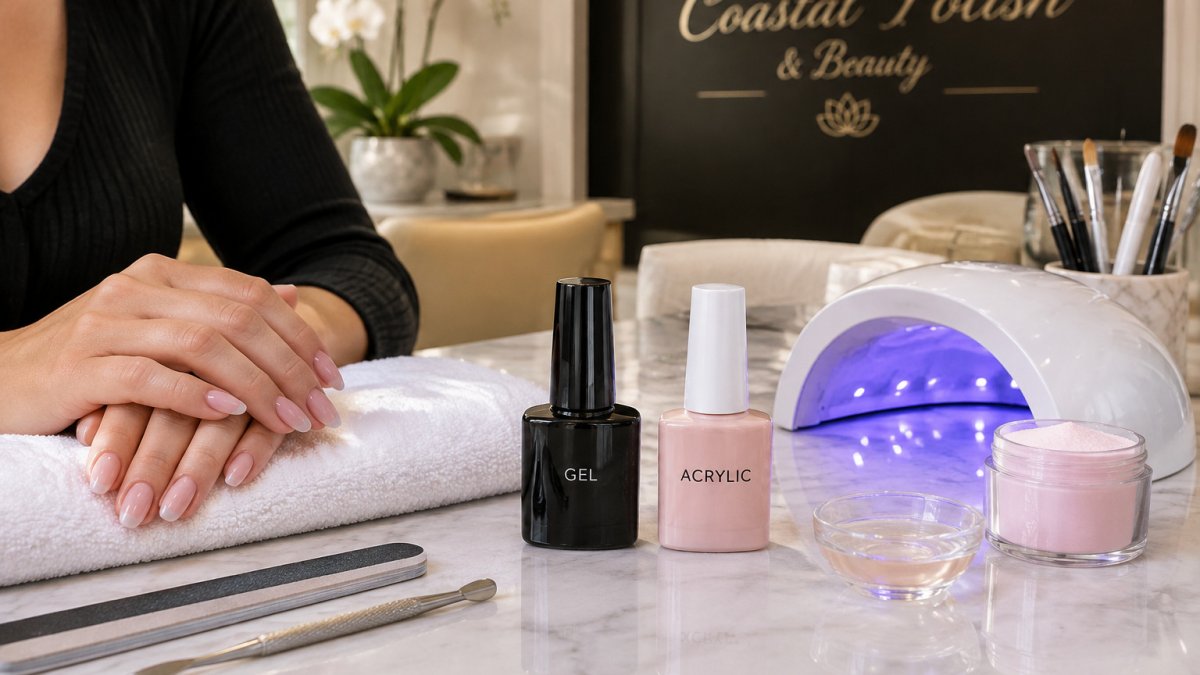
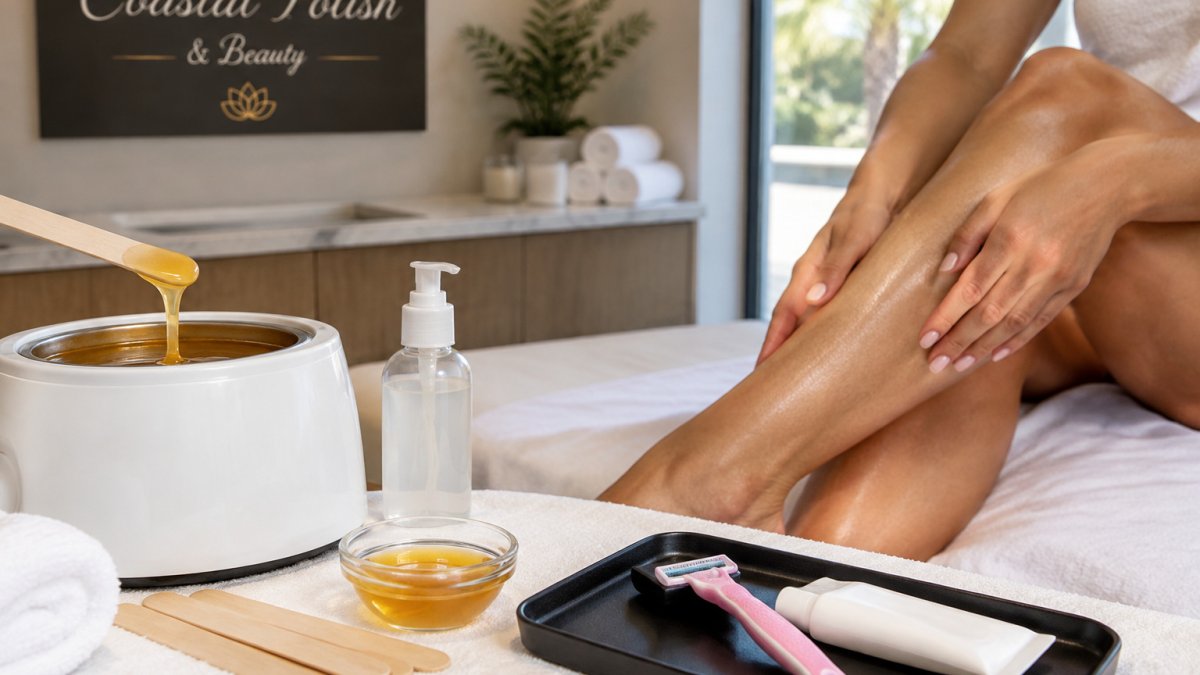
 comparison
Waxing vs Shaving for Sensitive Skin: Which Is Gentler
Last Updated: November 11, 2026
Quick Summary
For most sensitive skin, shaving is the gentler option day to day, because it cuts hair at the surface without pulling on the follicle. Waxing lasts longer but causes more redness, stinging and risk of skin lifting, so the right choice depends on your skin and the area being treated. Waxing vs shaving comes down to how reactive your skin is.
- Waxing removes hair from the root, so smoothness lasts longer than a shave.
- Shaving needs attention every one to three days; waxing keeps skin smooth for several weeks.
- Soft wax on thin areas like the upper lip more often causes skin lifting.
- Stop retinoids and exfoliating acids for several days before waxing, and avoid waxing within 24 to 48 hours of hair growth too short to grip.
- Bumps that are painful, swollen or filled with pus need a healthcare provider, not squeezing.
Table of Contents
- Waxing vs Shaving for Sensitive Skin: The Overall Comparison
- How Waxing Affects Sensitive Skin: Irritation, Lifting and Redness
- Waxing vs Shaving Pros and Cons for Sensitive Skin
- How to Prevent Razor Burn on Sensitive Skin
- How to Prevent Irritation After Waxing
- Waxing vs Shaving for Sensitive Skin on the Face and Body Areas
- Choosing Your Next Hair-Removal Step With Coastal Polish & Beauty
- Frequently Asked Questions
Choosing between waxing and shaving is harder when your skin reacts easily. Redness, bumps and stinging can turn a quick grooming routine into a week of discomfort.
Waxing removes hair from the root, so smoothness can last longer than a shave. Shaving cuts hair at the surface, so results are quicker but shorter-lived. For sensitive skin, the question is not which method is "better" overall, but which causes less irritation for your skin.
Waxing vs Shaving for Sensitive Skin: The Overall Comparison
Shaving can cause razor burn, micro-cuts and ingrown hairs. Waxing pulls hair from the follicle, which can cause redness, sting and sometimes skin lifting.
The practical difference comes down to how often you want to be hair-free and how your skin responds. Shaving needs attention every one to three days; waxing keeps skin smooth for several weeks, meaning fewer sessions but more intense short-term sensation.
How Waxing Affects Sensitive Skin: Irritation, Lifting and Redness
Waxing is a controlled injury to the skin. The wax adheres to hair and to the outermost layer of skin cells, and removal pulls hair from the follicle while tugging surrounding tissue. Some redness, warmth and stinging immediately after treatment is expected.
What actually drives irritation
Four factors explain most of the variation in how sensitive skin responds to waxing:
- Wax type. Soft wax is applied thin, covered with a cloth strip and pulled off; it adheres more aggressively to skin and more often causes lifting on thin or fragile areas. Hard wax is applied thicker, sets on its own and is removed without a strip; it grips hair more than skin, which is why it is often preferred for the face, underarms and bikini area.
- Temperature. Wax that is too hot can cause a thermal burn before it ever pulls a hair. Wax should be warm and spreadable, never hot enough to sting on contact.
- Technique. Wax must be applied in the direction of hair growth and removed firmly against it, with skin held taut. Rushing or pulling upward instead of parallel to the skin increases pain and the risk of lifting.
- Hygiene. Reusing spatulas, double-dipping into a shared pot, or working over broken skin introduces bacteria. A clean pot, a fresh spatula per application and clean gloves are basic expectations.
Skin lifting: what it is and who is at risk
Skin lifting happens when a thin layer of the epidermis comes away with the wax. It looks like a shallow graze or a patch of raw, shiny skin and can ooze slightly. It is more likely when:
- The skin is thin, the upper lip, eyelids, neck and bikini line are higher risk than the legs.
- You have used a retinoid, exfoliating acid, or a prescription acne or anti-aging product in the days before waxing.
- You have recently had sun exposure, a peel, laser treatment or microdermabrasion.
If lifting occurs, keep the area clean, avoid sun, heat and friction, and do not apply actives until it has healed. Seek medical advice if it does not improve within a few days or shows signs of infection.
Normal redness versus something that needs attention
A common pattern after waxing is redness, mild swelling and small bumps around the follicles for a few hours. That is expected. The following are not, and warrant a call to a clinician:
- Burns: blistering, severe pain, or skin that looks charred or weeps, possible thermal injury from overheated wax.
- Folliculitis: clusters of tender red bumps or pustules around the follicles that appear a day or two later and spread.
- Infection: increasing pain, warmth, spreading redness, pus, fever or red streaks.
Watch out: Squeezing or picking at post-wax bumps is the most common way a minor folliculitis becomes a larger infection or a scar. If a bump is painful, swollen or filled with pus, contact a healthcare provider rather than treating it at home.
Reducing the risk before your appointment
- Stop retinoids, exfoliating acids and prescription acne treatments for several days before waxing; ask your clinician for the right window for your product.
- Avoid sun exposure and self-tanners on the area for at least a few days beforehand.
- Do not shave or wax the area in the 24 to 48 hours before a waxing appointment; hair needs enough length for the wax to grip.
Reducing the risk afterward
- Avoid hot showers, saunas, hot tubs, heavy sweating and tight clothing for at least 24 hours.
- Keep the area clean and use a fragrance-free, soothing product if your technician recommends one.
- Do not exfoliate for several days; once the skin has calmed, gentle exfoliation can help prevent ingrown hairs.
Sensitive skin does not rule out waxing, but it rewards preparation, a technician who adjusts wax type and temperature to your skin, and honest aftercare. If you react badly despite all of that, shaving with a careful routine may be the better fit.
Waxing vs Shaving Pros and Cons for Sensitive Skin
Waxing
- Pros: Smoother skin for several weeks, finer regrowth over time, less frequent sessions
- Cons: Redness and sting during and after treatment, possible irritation, cost per session
Shaving
- Pros: Quick, low cost, no professional appointment needed
- Cons: Razor burn, micro-cuts, ingrown hairs, frequent upkeep
Neither option is ideal for everyone. If you have very reactive skin, shaving with a single-blade razor and a fragrance-free cream often produces less irritation than frequent waxing. If you tolerate waxing well, the longer gaps between treatments can reduce overall skin stress.
How to Prevent Razor Burn on Sensitive Skin
If you shave, a few changes can reduce razor burn noticeably:
- Shave after a warm shower, when hair is softer.
- Use a fresh, sharp blade and replace it often.
- Apply a fragrance-free shaving cream or gel, not bar soap.
- Shave in the direction of hair growth, especially on sensitive areas.
- Rinse with cool water and apply a fragrance-free moisturizer afterward.
Avoid pressing the razor down hard or going over the same spot repeatedly. Both increase the chance of irritation and micro-cuts.
How to Prevent Irritation After Waxing
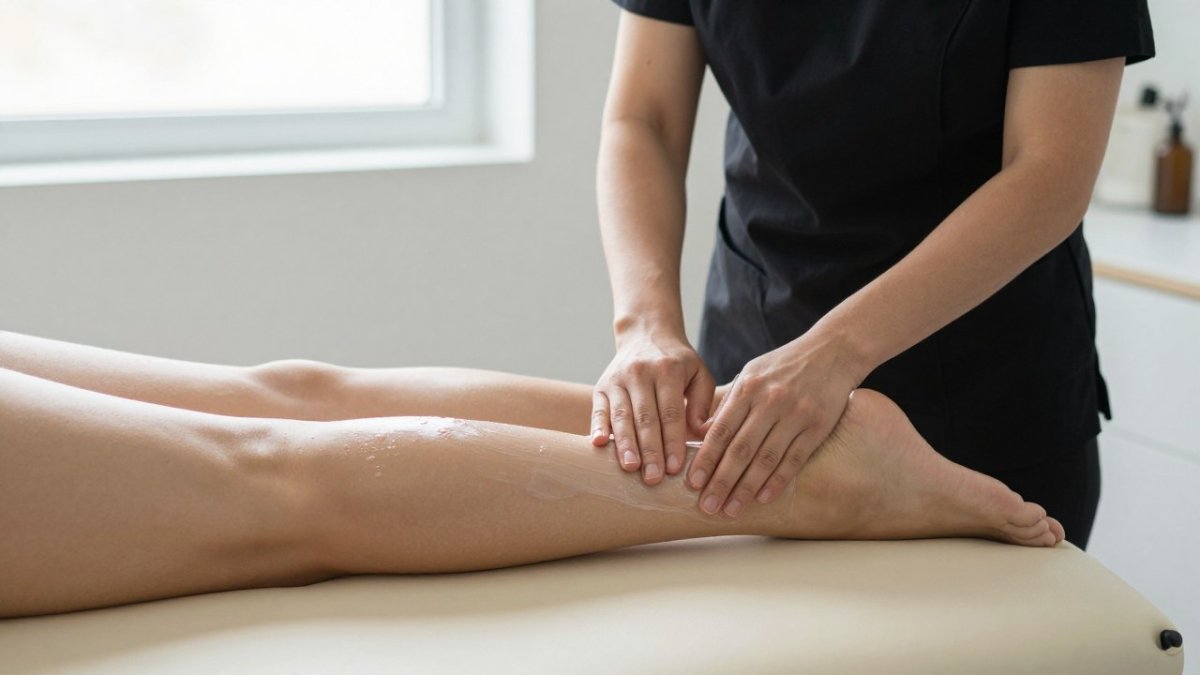
Ingrown hairs are common after waxing. Gentle exfoliation a few days after the appointment, once the skin has calmed, can help hairs grow out freely. If bumps become painful, swollen or filled with pus, contact a healthcare provider rather than squeezing them.
Waxing vs Shaving for Sensitive Skin on the Face and Body Areas
Sensitive skin is not one uniform category. The skin on your upper lip is a fraction of the thickness of the skin on your shins, and the bikini line sits over a mix of thin skin, friction, sweat and hair that curls back on itself. Treating every area the same is one of the most common reasons a method that works on your legs causes a week of bumps elsewhere.
Face (upper lip, chin, cheeks, jawline)
Facial skin is thin, moves constantly and is often already exposed to actives such as retinoids, acids or benzoyl peroxide, making it the most reactive area for both methods.
- Shaving: A fresh single-blade or two-blade razor with a fragrance-free cream is the lower-risk option for most people with sensitive facial skin. Shave with the grain, use light pressure and avoid going over the same spot twice. Do not shave over active breakouts, cold sores or irritated patches.
- Waxing: Soft wax on the upper lip is a common cause of skin lifting. Avoid waxing the face within several days of a retinoid, exfoliating acid or prescription acne treatment, and tell your technician what you are using.
- Watch out: Waxing over skin still healing from a breakout, a burn or a recent peel can strip the top layer and leave a scab that takes longer to resolve than the hair would have.
Underarms
Underarm skin is thin, folds on itself and sits in a warm, damp, high-friction environment. Hair there often grows in multiple directions, which is why ingrown hairs and dark post-inflammatory marks are common.
- Shaving: Work in different directions because underarm hair does not grow uniformly. Use a sharp blade, a shaving cream rather than soap, and rinse thoroughly. Avoid shaving immediately after applying antiperspirant or deodorant, and skip shaving over a lump or irritated follicle.
- Waxing: The trade-off is that the underarm is one of the more painful areas to wax and can stay red for several hours. Hard wax is often preferred here for control.
- Watch out: If you use a prescription antiperspirant or a retinoid on the underarms, stop it for a few days before waxing and confirm with your clinician when it is safe to resume.
Legs
Leg skin is thicker and less reactive than facial or bikini skin, which makes it the most forgiving area for either method.
- Shaving: Quick and low-risk. Shave after a warm shower, use a sharp blade and moisturize afterward. Razor burn on the legs usually comes from a dull blade, dry skin or too much pressure rather than from shaving itself.
- Waxing: Legs are the easiest area to wax and the least likely to lift. Soft wax in strips is common for larger areas; hard wax can be used for the knees and ankles where skin is thinner.
- Watch out: Varicose veins, active eczema patches and healing scratches are reasons to avoid waxing that area until the skin has settled.
Bikini line and bikini area
This is the area where the choice matters most. The skin is thin, hair is coarse and often curly, friction from clothing is constant, and the area is prone to folliculitis and ingrown hairs.
- Shaving: Shaving against the grain gives a closer result but sharply increases the risk of razor burn, micro-cuts and ingrown hairs. Shave with the grain, use a fresh blade every few uses, and avoid tight clothing immediately afterward. Do not shave over bumps, cysts or broken skin.
- Waxing: Expect significant short-term redness and sensitivity for 24 to 48 hours. Avoid heat, friction and sexual activity during that window.
- Watch out: If you have a history of folliculitis, hidradenitis suppurativa or recurrent cysts in the area, talk to a clinician before waxing. Aggressive waxing over active lesions can worsen scarring.
A quick area-by-area summary
| Area | Lower-irritation default | Waxing note |
|---|---|---|
| Face | Careful shaving with a fresh blade | Hard wax; avoid near retinoids and acids |
| Underarms | Careful shaving in multiple directions | Hard wax; expect more discomfort |
| Legs | Either method | Most forgiving area for waxing |
| Bikini line | Professional hard wax for many people | Highest risk area; aftercare is critical |
Patch test any new wax, razor or shaving product on a small area at least 24 hours before treating a full area. If you are unsure, a short consultation with an experienced technician is faster than learning by reaction.
Choosing Your Next Hair-Removal Step With Coastal Polish & Beauty
If you want to try professional waxing but are unsure how your skin will react, a conversation with an experienced technician is a good first step. You can review the full range of services, including waxing and other beauty treatments, and book an appointment online when you are ready. For guidance on pricing and what to expect from a waxing visit, check that page before you book.
If your skin reacts badly to waxing, shaving with care may suit you better. Either way, choose the method that keeps your skin calm, and adjust your routine when something does not feel right.
Frequently Asked Questions
Is it better to wax or shave with sensitive skin?
For most people with sensitive skin, shaving causes more frequent surface irritation, razor burn and ingrown hairs because the blade cuts at or just below the skin surface and must be repeated often. Waxing removes hair from the root, so the hair grows back finer and less often, but it can cause redness, lifting or stinging, especially on thin or reactive skin. Patch testing on a small area first helps you decide. If your skin reacts badly to either method, a dermatologist can help rule out conditions like folliculitis or eczema before you continue.
What is the 48-hour rule for waxing?
The 48-hour rule means you should avoid sun exposure, saunas, hot tubs, intense exercise, and harsh exfoliants for about two days after waxing. Skin is more vulnerable during this window because the follicles are open and the surface is slightly inflamed. Hair also needs to grow to about a quarter inch before waxing works well, so plan your appointments accordingly. Following this rule reduces the chance of redness, breakouts and ingrown hairs.
Can waxing or shaving cause ingrown hairs?
Both can cause ingrown hairs. Shaving cuts hair at an angle, which can cause the tip to curl back into the skin, while waxing pulls hair out and can leave follicles prone to inflammation if the skin is irritated. Exfoliating two to three times a week with a gentle product, using a sharp clean razor, and avoiding tight clothing over treated areas all reduce the risk. Persistent bumps or pus should be checked by a healthcare provider.
How can you reduce irritation after waxing or shaving?
After waxing, apply a fragrance-free, soothing lotion or cool compress, avoid touching the area, and skip heavy makeup or fragranced products for 24 hours. After shaving, use a sharp blade, shave in the direction of hair growth, use a fragrance-free shaving gel, and rinse with cool water. Moisturizing daily keeps the skin barrier healthy. If redness or swelling lasts more than a few days, stop the method and consult a dermatologist.