 ultimate-guide
Benefits of Head Spa Treatment: What to Know
Table of Contents
- What Is a Head Spa Treatment?
- Core Benefits of Head Spa Treatment for Scalp and Hair
- The Japanese Head Spa Experience
- What to Expect from Head Spa: A Step-by-Step Walkthrough
- How Long Is a Head Spa Treatment?
- Safety, Contraindications, and Who Should Consult First
- DIY vs. Professional Head Spa: What You Actually Get
- Post-Treatment Maintenance for Lasting Results
Last Updated: August 24, 2026
What Is a Head Spa Treatment?
A head spa treatment is a therapeutic scalp care service that combines deep cleansing, exfoliation, scalp massage, and targeted conditioning to restore balance to the scalp and improve overall hair health. Unlike a standard salon shampoo, a head spa addresses the scalp as living skin that accumulates product buildup, excess sebum, dead skin cells, and environmental stressors that ordinary washing cannot clear.
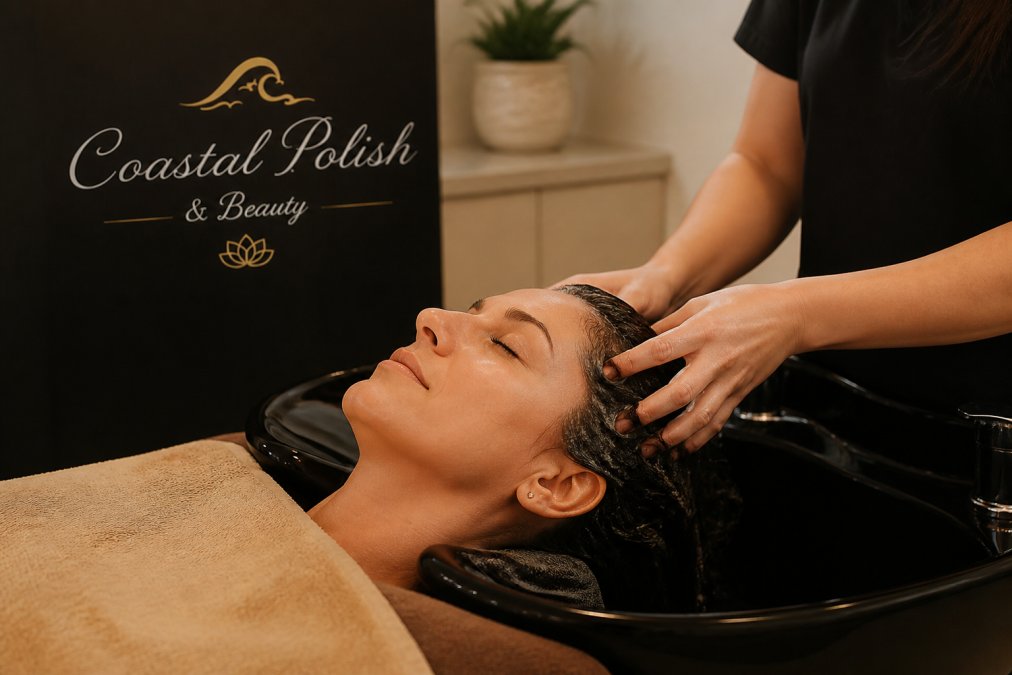
At Coastal Polish & Beauty, we offer indulgent head spa treatments designed for people who want more than a surface-level experience. The treatment typically involves a consultation, scalp analysis, a multi-step cleansing ritual, a therapeutic massage, and a conditioning phase tailored to your scalp type. The result is cleaner follicles, improved micro-circulation, and immediate tension relief.
What makes a head spa distinct from a regular wash-and-style is its focus on dermal health. The scalp is skin with pores that clog, a microbiome that can fall out of balance, and a circulatory network that responds directly to massage.
Core Benefits of Head Spa Treatment for Scalp and Hair
A well-executed head spa consistently delivers:
- Deep cleansing of clogged pores and product buildup
- Follicle stimulation to support hair growth
- Improved blood circulation to the scalp
- Sebum regulation for balanced scalp hydration
- Reduction in scalp inflammation and sensitivity
- Stress reduction and nervous system regulation
- Enhanced hair texture and hair shaft strength
- Removal of dead skin cells through gentle exfoliation
Each outcome connects to the others. Better circulation feeds the follicle. A cleaner scalp microbiome reduces inflammation. Less inflammation means less hair shedding. The treatment works as a system.
Deep Cleansing and Product Buildup Removal
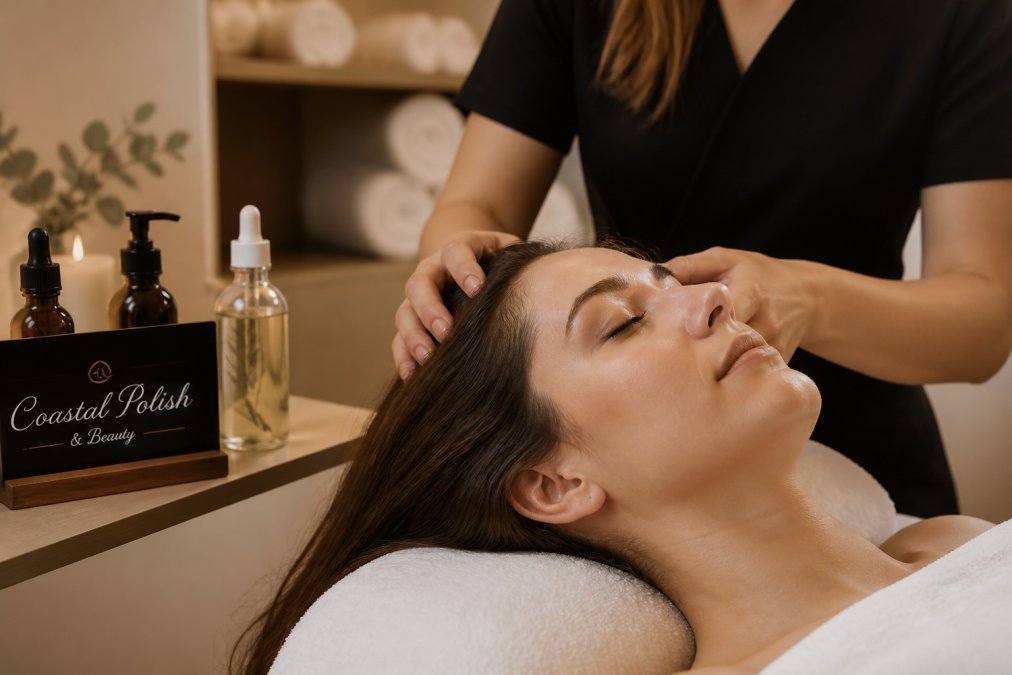
Most people underestimate how much accumulates on the scalp between washes. Dry shampoo, styling products, hard water minerals, and excess sebum create a layer that restricts the follicle and disrupts the scalp microbiome. A head spa uses enzymatic cleansers, physical exfoliation, and sometimes steam to dissolve and lift this buildup in a way home washing cannot replicate.
The practical outcome is immediate: the scalp breathes more freely, product absorption improves, and hair texture often feels noticeably lighter within a day or two.
Follicle Stimulation and Hair Growth Support
The massage component of the treatment applies targeted pressure to the scalp, increasing micro-circulation and blood flow through the smallest capillaries feeding each follicle. Better blood flow means more oxygen and nutrients reaching the hair root, supporting the active growth phase of the hair cycle.
This is not a quick fix for hair loss, but for people experiencing thinning related to scalp tension, poor circulation, or follicle congestion, regular head spa treatments can create improvements in hair density over time. According to American Academy of Dermatology guidance on scalp health and hair loss, scalp massage has been identified as a supportive practice for hair thickness when performed consistently.
The exfoliation component also matters. Dead skin cells and sebum buildup around the follicle opening can physically impede new hair growth. Clearing that obstruction gives emerging strands a cleaner path.
Stress Relief and Nervous System Regulation
The scalp contains a dense network of nerve endings. Sustained, rhythmic massage activates the parasympathetic nervous system, the branch responsible for the rest-and-digest response. Heart rate slows, muscle tension releases, and cortisol levels drop. Many clients report entering deep sleep stages during the massage phase.
Research published through National Institutes of Health on massage therapy and stress reduction supports this response: therapeutic massage reliably reduces markers of stress and promotes relaxation through measurable neurological pathways.
For professionals carrying chronic tension in the neck, shoulders, and jaw, a head spa treatment often provides relief that extends well beyond the scalp.
The Japanese Head Spa Experience
The Japanese head spa tradition is the origin point for the modern head spa treatment as most Western salons now practice it. Rooted in holistic wellness and sensory immersion, the Japanese approach treats the scalp as a site of both physical and emotional care.
Traditional Japanese head spas include scalp analysis under magnification, a customized cleansing sequence, a pressure-point massage drawing from reflexology principles, and a finishing treatment using botanical or mineral-based conditioners. The experience is designed to be unhurried, precise, and deeply restorative.
What distinguishes the Japanese approach is its philosophy: the scalp is not a problem to be solved but a system to be maintained. Regular sessions are considered part of ongoing wellness practice. This mindset has significantly influenced how premium salons structure their head spa services globally, including the emphasis on scalp hydration, sebum regulation, and the sensory experience of the treatment itself.
What to Expect from Head Spa: A Step-by-Step Walkthrough
Knowing what to expect from a head spa before your first appointment removes uncertainty and lets you relax from the moment you arrive.
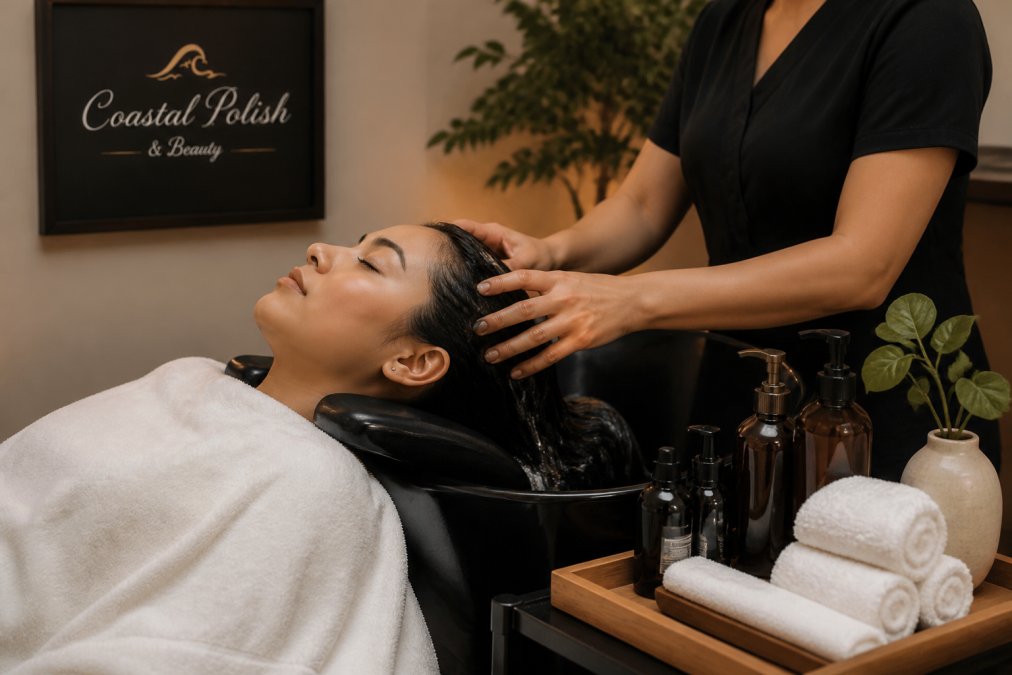
Step 1, Consultation and Scalp Assessment Your technician will ask about your scalp concerns, hair history, and any sensitivities. Some providers use a magnifying tool or scalp camera to assess follicle condition and buildup level. This shapes the entire treatment.
Step 2, Pre-Cleanse A clarifying or enzyme-based pre-cleanse is applied to break down product buildup and excess sebum before water is introduced.
Step 3, Exfoliation A physical or chemical scalp exfoliant lifts dead skin cells and clears the follicle opening.
Step 4, Deep Cleanse A specialized shampoo chosen for your scalp type is massaged in with deliberate technique. The massage here is part of the treatment, not just prep.
Step 5, Scalp Massage The central phase of the treatment. Your technician applies sustained, rhythmic pressure across the scalp using fingertips or specialized tools. This is where follicle stimulation, blood circulation improvement, and nervous system regulation happen.
Schedule and Appointment today for 10% Off your service →
Step 6, Treatment Application A serum, mask, or conditioning treatment is applied based on your scalp's needs, targeting hydration, inflammation, hair density, or sensitivity.
Step 7, Rinse and Finish The treatment is rinsed thoroughly, and a finishing product is applied. Your hair is dried and styled simply.
How Long Is a Head Spa Treatment?
A head spa treatment typically runs between 45 and 90 minutes, depending on the provider, protocol, and scalp condition (the American Academy of Dermatology). Express sessions focused on massage and a single cleanse can be completed in 45 minutes. A full-protocol session including scalp analysis, multi-step cleansing, exfoliation, extended massage, and conditioning treatment runs closer to 75 to 90 minutes.
For first-time clients, expect the longer end of that range. A good technician will not rush the cleansing phase to hit an arbitrary time target.
Frequency matters as much as duration. Many scalp health practitioners recommend starting with monthly sessions and adjusting based on how your scalp responds.
Safety, Contraindications, and Who Should Consult First
A head spa treatment is appropriate for most adults, but there are specific situations where you should consult a dermatologist or healthcare provider first.
Conditions that require medical clearance:
- Active scalp infections, including folliculitis, ringworm, or open sores
- Severe psoriasis or eczema with broken or actively inflamed skin
- Recent scalp surgery or any procedure within the past 12 months
- Chemotherapy or radiation treatment affecting the scalp
- Blood-thinning medications that increase sensitivity to pressure
Conditions requiring technician communication:
- Scalp sensitivity or recent allergic reactions to hair products
- Pregnancy (certain massage techniques and product ingredients warrant adjustment)
- Severe dandruff or seborrheic dermatitis (protocol may need modification)
- Recent hair coloring or chemical treatments within the past two weeks
A reputable head spa provider will always conduct a consultation before beginning treatment. If a provider skips this step, that is worth noting.
DIY vs. Professional Head Spa: What You Actually Get
The DIY head spa market has expanded significantly, with scalp scrubs, oil treatments, and massage tools now widely available. For the right person with the right routine, a home practice can meaningfully support scalp health between professional sessions.
| Element | DIY Head Spa | Professional Head Spa |
|---|---|---|
| Scalp assessment | Self-assessed, often incomplete | Technician-evaluated with professional tools |
| Cleansing depth | Limited by product access and technique | Multi-step with professional-grade formulations |
| Massage technique | Variable, often inconsistent pressure | Trained technique targeting specific pressure points |
| Product selection | Generic or trial-and-error | Customized to your scalp type and condition |
| Nervous system response | Partial relaxation possible | Full parasympathetic activation more reliably achieved |
| Follicle stimulation | Mild with consistent effort | Deeper micro-circulation response with trained pressure |
The biggest limitation of DIY is technique. Scalp massage requires practice to execute well on yourself. Most people apply too little pressure or focus on the same areas repeatedly.
A home routine using a quality scalp brush, a clarifying pre-wash, and a five-to-ten-minute massage three times per week can maintain the results of a professional session. The professional treatment, however, resets the baseline in a way home care cannot replicate alone.
The practical approach: professional sessions monthly, supported by a consistent home routine in between.
Post-Treatment Maintenance for Lasting Results
What you do in the 48 to 72 hours after a head spa session significantly influences how long the results last.
Immediately after your session:
- Avoid applying styling products, dry shampoo, or heavy oils for at least 24 hours. The follicles are open and the scalp is clean.
- Do not wash your hair for 24 to 48 hours if possible. The conditioning treatments applied during the session continue working.
- Drink water. Scalp hydration is partly systemic, and the massage increases circulation in a way that benefits from adequate hydration.
Ongoing maintenance habits:
- Brush your hair before washing to distribute sebum and loosen surface buildup.
- Use a sulfate-free, scalp-appropriate shampoo between sessions to avoid stripping the scalp microbiome.
- Incorporate a weekly scalp massage at home, even five minutes with a scalp brush or fingertips, to maintain blood circulation between professional visits.
- Limit dry shampoo use. It is one of the primary contributors to product buildup and clogged pores.
The clients who see the most sustained improvement in scalp health and hair vitality treat the professional session as the anchor of a broader routine, not a standalone fix.
Scalp health rarely gets the attention it deserves until something goes wrong. A professional head spa treatment addresses the underlying conditions that affect hair growth, hair texture, and daily stress levels before they become visible problems. Coastal Polish & Beauty offers head spa treatments in a clean, serene environment designed for exactly this kind of intentional care. Our expert technicians bring personalized attention to every session, tailoring the treatment to your scalp's specific needs so you leave feeling genuinely restored. Book your head spa treatment with Coastal Polish & Beauty and experience what it feels like to actually reset.
Frequently Asked Questions
Q: How often should you get a head spa treatment?
A: Most people see the best results with a head spa treatment once every three to four weeks. This cadence keeps product buildup from accumulating, maintains scalp hydration, and supports ongoing follicle stimulation without over-stripping natural sebum. If you deal with a particularly oily scalp, scalp inflammation, or high stress levels, your technician may suggest a slightly more frequent schedule at the start, then spacing sessions out as your scalp health improves.
Q: Is a head spa the same as a scalp massage?
A: A scalp massage is one component of a head spa treatment, but the two are not the same. A full head spa also includes a scalp analysis, deep cleansing to remove dead skin cells and product buildup, exfoliation, and a conditioning or treatment mask applied to the hair shaft and scalp. The combined protocol addresses blood circulation, sebum regulation, and scalp microbiome health in ways a standalone massage does not.
Q: What are the downsides of a head spa treatment?
A: For most people, there are very few downsides. Some clients experience mild scalp sensitivity for a day or two after exfoliation, particularly if buildup was significant. Those with active scalp conditions such as open wounds, psoriasis flares, or certain infections should consult a dermatologist before booking. Overuse of heavy conditioning products during the treatment can temporarily weigh fine hair down, so communicating your hair type to your technician beforehand helps them tailor the session appropriately.
Q: Do head spa treatments really work for hair growth?
A: The scalp massage and micro-circulation work in a head spa treatment have been studied for their effect on hair density. Consistent therapeutic massage increases blood flow to the dermal layer, delivering more oxygen and nutrients to hair follicles. This does not reverse genetic hair loss, but it can support healthier, thicker-feeling strands over time, especially when paired with a clean scalp environment free of clogged pores and product buildup. Results build gradually with regular sessions.
This article was written using GrandRanker