 ultimate-guide
Benefits of Professional Head Spa: What to Expect
Table of Contents
- More Than a Shampoo: Why Professional Head Spa Treatments Stand Out
- The Top Benefits of Professional Head Spa Sessions
- Can a Head Spa Really Support Hair Growth?
- What to Expect From Head Spa: A Step-by-Step Walkthrough
- How Often Should You Get a Head Spa for Lasting Results?
- Professional Treatment vs. At-Home Routines
- Who Should Skip a Head Spa? Safety and Contraindications
- Conclusion: Make Head Spa a Part of Your Wellness Routine
- Frequently Asked Questions
Last Updated: September 5, 2026
More Than a Shampoo: Why Professional Head Spa Treatments Stand Out
A professional head spa is a therapeutic scalp treatment that combines deep cleansing, exfoliation, massage, and steam to restore scalp health and trigger whole-body relaxation. This guide from Coastal Polish & Beauty breaks down the specific benefits of professional head spa sessions so you know exactly what you are paying for before you book.
Most people think a head spa is just a luxurious shampoo with extra steps. That misses the point entirely. The real value sits in what you cannot see: improved blood flow to the hair follicles, removal of years of product buildup, and a reset for your nervous system that a standard salon wash simply cannot deliver.
The treatment stands apart because it treats your scalp as skin, not just the surface your hair grows from. Your scalp deserves the same exfoliation, hydration, and care as your face, yet it rarely gets it. A professional head spa corrects that imbalance in a single session.
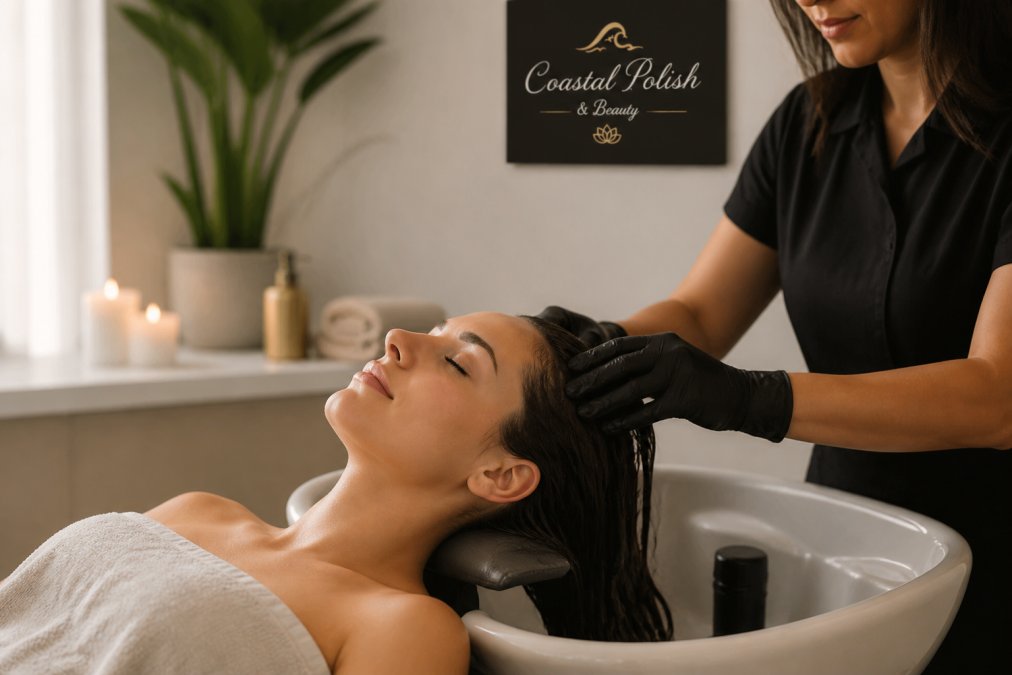
The Top Benefits of Professional Head Spa Sessions
The benefits of professional head spa care fall into two clear categories: physical scalp improvements and psychological relaxation. Both matter, and both reinforce each other over time.
Scalp Health and Hair Growth
Healthy hair starts at the follicle, and follicle health depends on blood circulation and a balanced scalp environment. A professional head spa uses targeted massage techniques that stimulate blood flow to the dermal papilla, the structure responsible for delivering nutrients to growing hair.
Regular sessions also address scalp buildup. Dead skin cells, excess sebum, and styling product residue clog follicles and weaken the hair shaft over time. Professional exfoliation removes this layer, which supports better scalp pH balance and healthier hair texture. Many clients notice reduced scalp tension and less itching within a few visits.
Deep Relaxation and Stress Reduction
The psychological payoff is just as significant as the physical one. Scalp massage activates the parasympathetic nervous system, which triggers the relaxation response and lowers cortisol levels. In a culture where most of us carry tension in our neck and jaw, a focused head and neck massage offers rare, genuine release.
This is where the benefits of professional head spa treatments diverge sharply from at-home attempts. The combination of steam, skilled pressure, and a calm environment produces a level of relaxation that is difficult to replicate on your own bathroom floor.
Can a Head Spa Really Support Hair Growth?
Yes, but with realistic expectations. A head spa supports hair growth by improving the conditions your follicles need to thrive, but it is not a cure for genetic hair thinning (androgenetic alopecia) or medical hair loss conditions like alopecia areata.
The mechanism is more than just a relaxing massage. The primary physiological effect is vasodilation, the widening of blood vessels in the scalp. The targeted massage techniques used in professional head spas stimulate the release of histamine, which causes capillaries to dilate. This increased blood flow delivers more oxygen, amino acids, and micronutrients (like iron and zinc) to the dermal papilla at the base of the hair follicle. This structure is the metabolic engine of the hair; without adequate nutrient delivery, the hair shaft grows thinner and enters the resting (telogen) phase earlier.
Beyond circulation, the deep cleansing component of a head spa addresses a less-discussed but critical factor: the physical blockage of the follicular ostium (the opening of the hair follicle). A buildup of sebum, dead skin cells, and non-water-soluble silicones from styling products can create a hardened plug at the follicle opening. This can lead to a condition called folliculitis or simply cause the hair to grow at an improper angle, leading to ingrown hairs and increased breakage. Professional-grade exfoliating treatments, often using salicylic acid or enzyme-based peels, dissolve the intercellular bonds holding these dead cells together, clearing the pathway for new hair growth.
There is also a mechanical component related to the scalp's connective tissue. The galea aponeurotica is a tough layer of fibrous tissue that covers the top of the skull. When we experience chronic stress, we unconsciously tense the muscles attached to this layer (the occipitofrontalis and temporalis). This chronic tension restricts blood flow and can literally pull the scalp tight, reducing the space available for follicles to sit comfortably. The sustained, rhythmic pressure applied during a professional head spa massage helps release this myofascial tension, a benefit that is difficult to achieve with a quick at-home scrub.
What you should expect is healthier, stronger hair that breaks less and grows more consistently. What you should not expect is a dramatic regrowth of hair in areas where follicles have already stopped producing (miniaturized follicles). For hair loss prevention, a head spa works best as part of a broader routine that includes proper nutrition and, where needed, guidance from a dermatologist.
What to Expect From Head Spa: A Step-by-Step Walkthrough
If you have never booked one, here is what to expect from head spa sessions so the experience feels familiar rather than surprising.
- Consultation: Your technician assesses your scalp condition, asks about sensitivities, and tailors the treatment accordingly.
- Steam preparation: Gentle steam softens buildup and opens the pores, preparing the scalp for deeper cleansing.
- Cleansing and exfoliation: A first wash removes surface dirt, followed by a gentle scalp scrub to lift dead skin and excess sebum.
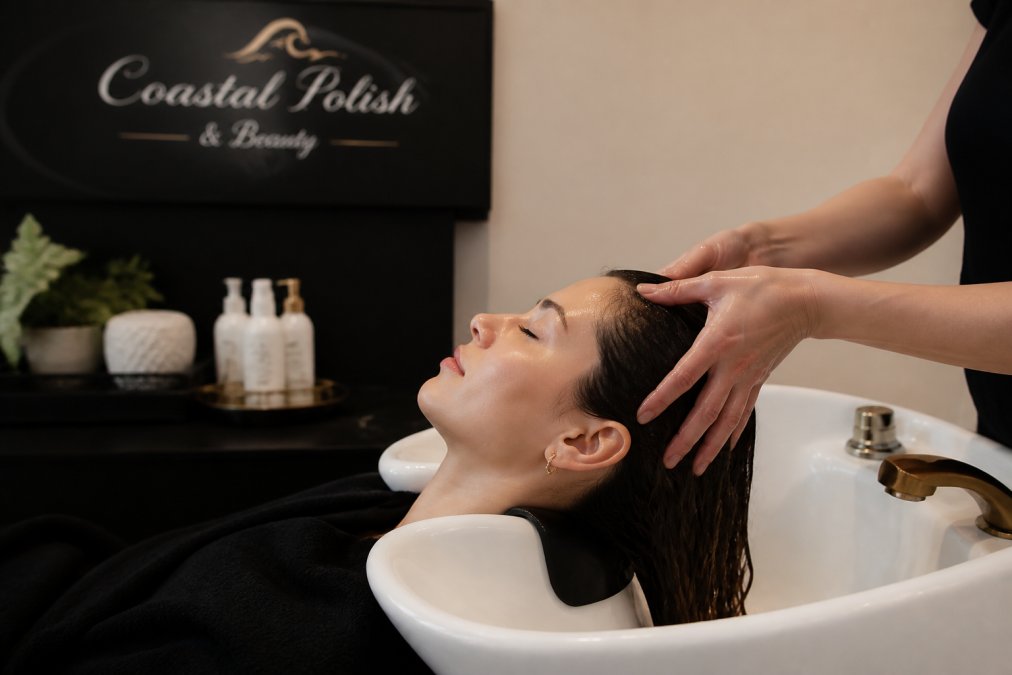
- Massage: This is the centerpiece. A prolonged scalp, neck, and shoulder massage stimulates circulation and releases tension.
- Treatment mask or conditioner: A nourishing mask hydrates the scalp and hair, restoring moisture retention and smoothing the hair cuticle.
- Final rinse and styling: The treatment ends with a cool rinse to seal the hair cuticle and a light style.
The entire process typically takes 60 to 90 minutes. You should leave feeling deeply relaxed, not rushed. A quality provider will never make you feel pressured to move faster than your comfort allows.
How Often Should You Get a Head Spa for Lasting Results?
For most people, a professional head spa every three to four weeks delivers the best balance of results and practicality. This cadence aligns with your scalp's natural cell turnover cycle and keeps buildup from accumulating between visits.
Schedule and Appointment today for 10% Off your service →
| Your Situation | Recommended Frequency | Primary Goal |
|---|---|---|
| General maintenance and relaxation | Every 4-6 weeks | Stress relief and scalp upkeep |
| Oily scalp or heavy product use | Every 2-3 weeks | Sebum regulation and deep cleansing |
| Dry scalp or visible flaking | Every 3-4 weeks | Scalp hydration and exfoliation |
| Hair growth support | Every 2-4 weeks | Follicle stimulation and circulation |
If your budget or schedule only allows monthly visits, that is still enough to see meaningful improvement. Consistency matters more than frequency. A single session feels wonderful, but the cumulative effects on scalp health and stress levels build over several months.
Professional Treatment vs. At-Home Routines
At-home scalp care has its place. A weekly scalp scrubber and a good clarifying shampoo can maintain results between professional visits. But the comparison is not really close when it comes to depth of treatment and the specific ingredients used.
The most significant gap is in the formulation of the products. Professional head spa lines often use higher concentrations of active ingredients that are regulated for professional use only. For example, a professional scalp serum might contain 2% salicylic acid for exfoliation, whereas over-the-counter shampoos are typically limited to lower percentages. Similarly, professional treatments may use stabilized forms of Vitamin C (like ascorbyl glucoside) or peptides (like copper peptides) that are too unstable or expensive for retail consumer products. These ingredients target the scalp's microbiome and barrier function in ways that basic cleansing cannot.
What most guides miss is the diagnostic element. A professional can spot early signs of scalp tension, buildup patterns, or sensitivity that you would never notice yourself. That insight allows them to adjust the treatment in real time. This is a key differentiator, a professional is not just applying products; they are assessing your scalp's condition and modifying the protocol.
To help you decide where to invest your time and money, here is a practical breakdown of what a professional session provides versus what you can reasonably replicate at home.
| Aspect | Professional Head Spa | At-Home Routine | Cost-Benefit Verdict |
|---|---|---|---|
| Steam Therapy | High-output steamers soften sebum and open follicles for deeper penetration of actives. | Steamy bathroom or hot towel is a poor substitute; it does not provide sustained, targeted heat. | Professional wins. The equipment cost is prohibitive for home use, and the effect on product absorption is significant. |
| Exfoliation | Professional-grade enzyme peels or microdermabrasion tools remove buildup without micro-tears. | Gentle scrubs with fine jojoba beads or chemical exfoliants (PHA) are safe but less effective on stubborn buildup. | Professional wins for deep treatment. At-home is fine for maintenance every 1-2 weeks. |
| Massage Duration | 20-30 minutes of continuous, targeted massage by a trained technician. | 5-10 minutes with a silicone scalp scrubber is common; it is difficult to sustain pressure and technique. | Professional wins for stress relief. The sustained pressure is key to triggering the relaxation response. |
| Active Serums | High-concentration serums (e.g., 5% minoxidil alternatives, specific growth factors) applied post-cleanse. | Over-the-counter serums are available but often have lower concentrations of active ingredients. | Professional wins for potency. At-home serums are a good supplement between visits. |
| Diagnostic Insight | Technician identifies scalp conditions (e.g., seborrheic dermatitis, early psoriasis) and adjusts treatment. | You cannot see your own scalp clearly, and you lack the training to interpret what you see. | Professional wins. This is the most undervalued aspect of a professional session. |
Who Should Skip a Head Spa? Safety and Contraindications
A head spa is safe for most people, but it is not for everyone. Knowing the contraindications protects you from wasting money or aggravating a condition.
You should postpone a session if you have active sunburn on your scalp, open wounds, severe eczema flare-ups, or an active fungal or bacterial infection. Anyone undergoing chemotherapy or with compromised skin integrity should consult a physician first. If you have recently had certain cosmetic procedures on your scalp or hairline, check with your provider before booking.
Pregnancy is not an automatic disqualifier, but you should inform your technician so they can adjust pressure and avoid specific pressure points. The same applies to anyone with migraine sensitivity, as massage can sometimes trigger an episode during an active attack.
When in doubt, the right move is to ask. A reputable provider will ask about your health history before the session and will be transparent about whether the treatment suits you.
Conclusion: Make Head Spa a Part of Your Wellness Routine
The benefits of professional head spa care extend far beyond a pleasant hour in a chair. Regular sessions support scalp health, improve the conditions for hair growth, and deliver a level of stress reduction that fits naturally into a holistic wellness routine.
At Coastal Polish & Beauty, our head spa treatments are designed as a true escape from the pace of everyday life. Our expert technicians work in a clean, serene environment with personalized attention to your scalp's specific needs. We are located inside the Birdhouse wellness collective in Newport Beach, and our newly renovated space is ready to welcome you.
Get started with Coastal Polish & Beauty and book your head spa session to feel refreshed, confident, and deeply relaxed.
Frequently Asked Questions
Are professional head spa treatments actually worth it?
Yes, if you're seeking more than just clean hair. A professional head spa targets scalp buildup, improves blood circulation, and triggers a deep relaxation response that a standard wash can't match. The multi-step process uses professional-grade products and techniques to address scalp tension and hair health. For those dealing with stress, scalp dryness, or dull hair, the cumulative benefits of regular sessions can be a valuable investment.
How often should you get a professional head spa treatment?
For most people, a session every 2 to 4 weeks aligns with your hair's natural growth cycle and maintains scalp health. If you have specific concerns like hair thinning or excessive buildup, more frequent sessions may be beneficial initially. Those using a head spa purely for relaxation might find a monthly visit fits their wellness routine. Your technician should tailor a schedule based on your scalp condition and goals.
Does a head spa help with hair growth?
A head spa can support healthier hair growth, but it's not a miracle cure. The deep cleansing removes sebum and product buildup that can clog hair follicles. The massage component stimulates blood circulation to the scalp, delivering oxygen and nutrients to the hair roots. This improved environment encourages stronger hair and may help reduce hair shedding caused by stress, making it a valuable part of a hair care routine.
What is the difference between a salon wash and a professional head spa?
A salon wash is a quick, functional step to cleanse the hair before styling. A professional head spa is a therapeutic treatment focused on scalp health. It involves a thorough scalp analysis, steam, exfoliation, and a prolonged massage targeting pressure points to release tension. The goal extends beyond cleanliness to include detoxification, lymphatic drainage, and deep conditioning, offering a holistic wellness experience.
This article was written using GrandRanker
Frequently Asked Questions
Q: Are professional head spa treatments actually worth it?
A: Yes, if you're seeking more than just clean hair. A professional head spa targets scalp buildup, improves blood circulation, and triggers a deep relaxation response that a standard wash can't match. The multi-step process uses professional-grade products and techniques to address scalp tension and hair health. For those dealing with stress, scalp dryness, or dull hair, the cumulative benefits of regular sessions can be a valuable investment.
Q: How often should you get a professional head spa treatment?
A: For most people, a session every 2 to 4 weeks aligns with your hair's natural growth cycle and maintains scalp health. If you have specific concerns like hair thinning or excessive buildup, more frequent sessions may be beneficial initially. Those using a head spa purely for relaxation might find a monthly visit fits their wellness routine. Your technician should tailor a schedule based on your scalp condition and goals.
Q: Does a head spa help with hair growth?
A: A head spa can support healthier hair growth, but it's not a miracle cure. The deep cleansing removes sebum and product buildup that can clog hair follicles. The massage component stimulates blood circulation to the scalp, delivering oxygen and nutrients to the hair roots. This improved environment encourages stronger hair and may help reduce hair shedding caused by stress, making it a valuable part of a hair care routine.
Q: What is the difference between a salon wash and a professional head spa?
A: A salon wash is a quick, functional step to cleanse the hair before styling. A professional head spa is a therapeutic treatment focused on scalp health. It involves a thorough scalp analysis, steam, exfoliation, and a prolonged massage targeting pressure points to release tension. The goal extends beyond cleanliness to include detoxification, lymphatic drainage, and deep conditioning, offering a holistic wellness experience.