 how-to
Gentle Waxing for Sensitive Skin: A Complete Guide
Table of Contents
- Understanding Sensitive Skin and Waxing
- Hard Wax vs. Soft Wax for Sensitive Skin
- Waxing Preparation for Sensitive Skin
- Key Ingredients for Sensitive Skin Waxes
- Post-Waxing Skincare Routine for Sensitive Skin
- Common Waxing Mistakes for Sensitive Skin
- Waxing Safety for Different Body Areas
- Conclusion
Last Updated: August 30, 2026
Understanding Sensitive Skin and Waxing
Sensitive skin reacts more intensely to waxing because the process involves heat, adhesion, and mechanical pulling that disrupt the skin barrier. At Coastal Polish & Beauty, we recognize that gentle waxing for sensitive skin requires a fundamentally different approach than standard techniques. The goal is to remove hair while minimizing inflammation, redness, and irritation.
Sensitive skin has compromised barrier function, making it less able to protect itself from irritants. When wax is applied and stripped away, it removes not just hair but also surface skin cells and natural oils, triggering folliculitis, ingrown hairs, and prolonged redness. Success depends on three factors: wax type, skin preparation, and post-waxing care in the critical 48 hours following treatment.
Hard Wax vs. Soft Wax for Sensitive Skin
Hard wax and soft wax behave differently on sensitive skin, and choosing the wrong one can mean days of irritation.
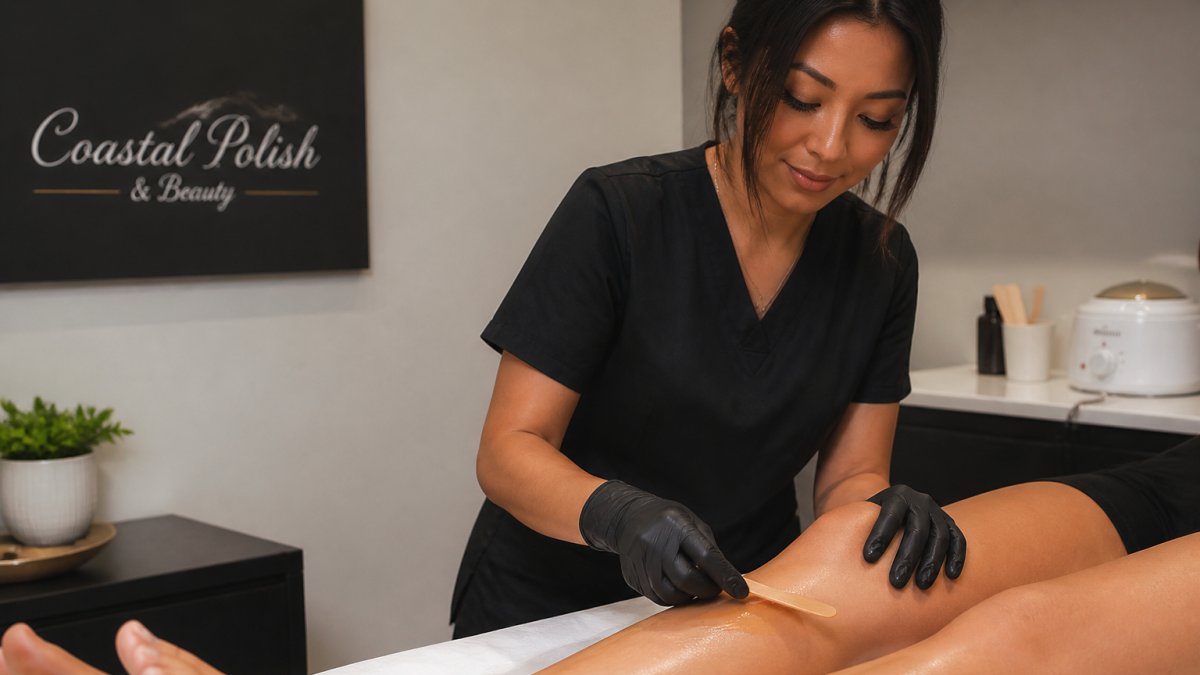
Hard wax adheres to hair rather than skin, pulling hair out without removing as many surface skin cells. It's applied warm, allowed to cool slightly, then peeled off without a strip. For sensitive skin, hard wax is typically better because it's gentler on the skin barrier and works especially well for coarse hair and smaller areas like the face, underarms, and bikini line.
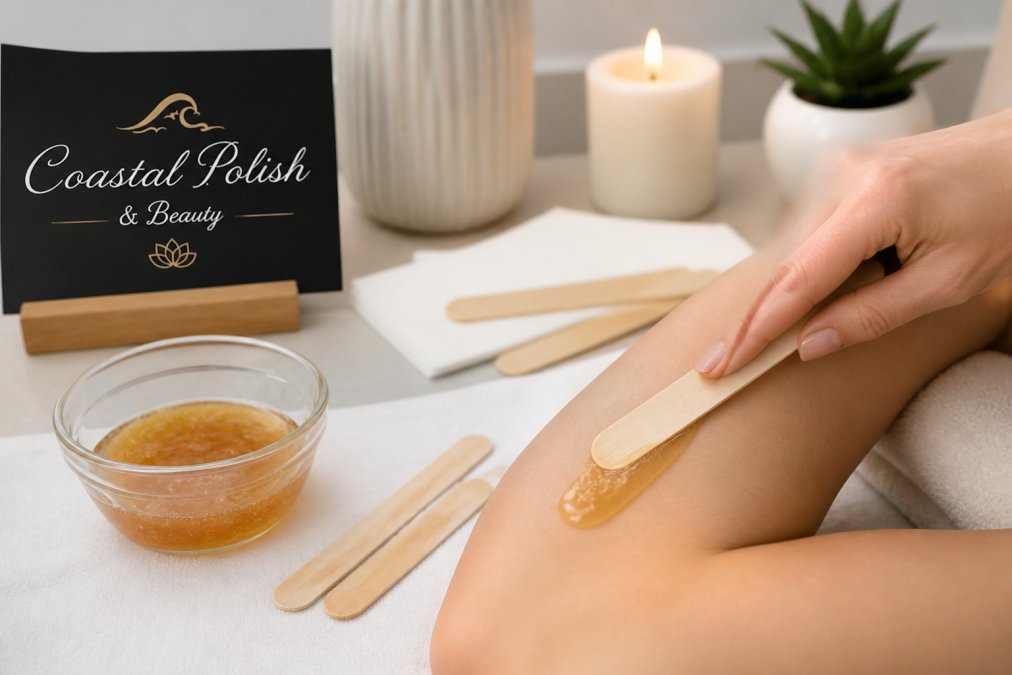
Soft wax (strip wax) adheres to both hair and skin, requiring a cloth or paper strip for removal. Because it grips skin more aggressively, it causes more redness and irritation, particularly on sensitive areas. While faster for large areas like legs, the comfort trade-off usually isn't worth it for sensitive skin.
Temperature control matters enormously for sensitive skin. Wax that's too hot can burn or inflame; wax that's too cool won't adhere properly and requires multiple applications, compounding irritation.
Cream-based waxes offer another advantage for sensitive skin. These formulations include soothing agents like aloe vera, chamomile, or azulene worked directly into the wax, providing immediate calming benefits while removing hair.
| Wax Type | Best For Sensitive Skin | Key Advantage | Primary Drawback |
|---|---|---|---|
| Hard Wax | Face, bikini, underarms | Pulls hair, not skin | Slower application |
| Soft Wax | Large areas (legs) | Faster coverage | More skin irritation |
| Cream-Based Hard Wax | All sensitive areas | Soothing agents included | Higher cost |
Waxing Preparation for Sensitive Skin
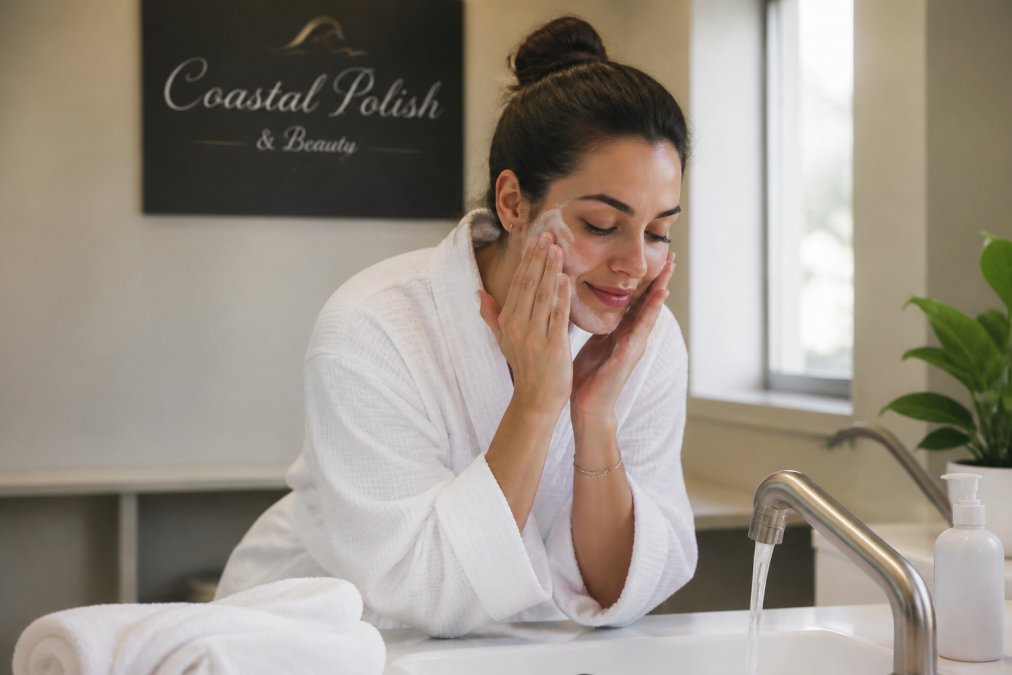
Preparation determines whether your skin tolerates waxing well or reacts badly. Start three to five days before your appointment by gently exfoliating two to three times, but stop 24 hours before waxing. Exfoliation removes dead skin cells that trap hair beneath the surface, but exfoliating too close to waxing leaves skin raw and prone to irritation.
On appointment day, cleanse the area with fragrance-free cleanser and pat skin completely dry. Moisture interferes with wax adhesion and causes uneven hair removal. Avoid applying any products beforehand, lotions, oils, serums, and sunscreen create barriers that prevent wax from gripping hair effectively, forcing multiple applications to the same spot.
Patch Testing Before Your Appointment
Patch testing is the single most reliable way to predict how your skin will react to a specific wax formula. Request a patch test at least 48 hours before your full appointment on a small, inconspicuous area like the inner arm or behind the ear.
Watch that test area for 24 to 48 hours. Normal reactions include mild redness that fades within hours and slight tenderness. Abnormal reactions, severe redness lasting more than 24 hours, swelling, blistering, or rash, indicate you need a different wax formulation. Document what you observe with a photo for concrete information to share with your technician.
Medications and Contraindications to Discuss
Certain medications increase skin sensitivity and make waxing riskier. Disclose any medications before your appointment, particularly:
Retinoids (prescription vitamin A derivatives like tretinoin, adapalene, or retinol) thin the skin and increase sun sensitivity. Most dermatologists recommend stopping retinoids at least one week before waxing.
Antibiotics like doxycycline and minocycline increase photosensitivity and can amplify redness and inflammation after waxing.
Hormonal medications (birth control pills, hormone replacement therapy) can affect skin sensitivity and hair growth patterns.
Immunosuppressants and corticosteroids impair skin's ability to heal. Discuss waxing safety with your prescribing doctor first.
Blood thinners (aspirin, warfarin, anticoagulants) increase bruising and bleeding risk from hair follicles.
Key Ingredients for Sensitive Skin Waxes
The wax formula carries most responsibility for whether your skin tolerates waxing well. Look for these ingredients:
Azulene is a naturally derived compound with strong anti-inflammatory properties that reduces redness and soothes irritated skin immediately after waxing.
Chamomile calms inflammation and has mild antimicrobial properties that reduce infection risk from hair removal.
Aloe vera hydrates and heals. After waxing strips away surface oils, aloe vera replenishes moisture and supports the skin barrier.
Zinc oxide is a physical barrier that protects skin and reduces inflammation, rarely triggering reactions.
Fragrance-free formulations are non-negotiable for sensitive skin. Even "hypoallergenic" waxes sometimes contain fragrance that causes problems.
Schedule and Appointment today for 10% Off your service →
Avoid waxes with mineral oil as a primary ingredient, as it can clog pores and trap bacteria, increasing folliculitis risk.
Post-Waxing Skincare Routine for Sensitive Skin
The first 48 hours after waxing are critical. Your skin has experienced controlled trauma, and how you treat it determines whether you heal smoothly or develop redness, bumps, or ingrown hairs.
Immediate Cooling and Soothing Techniques
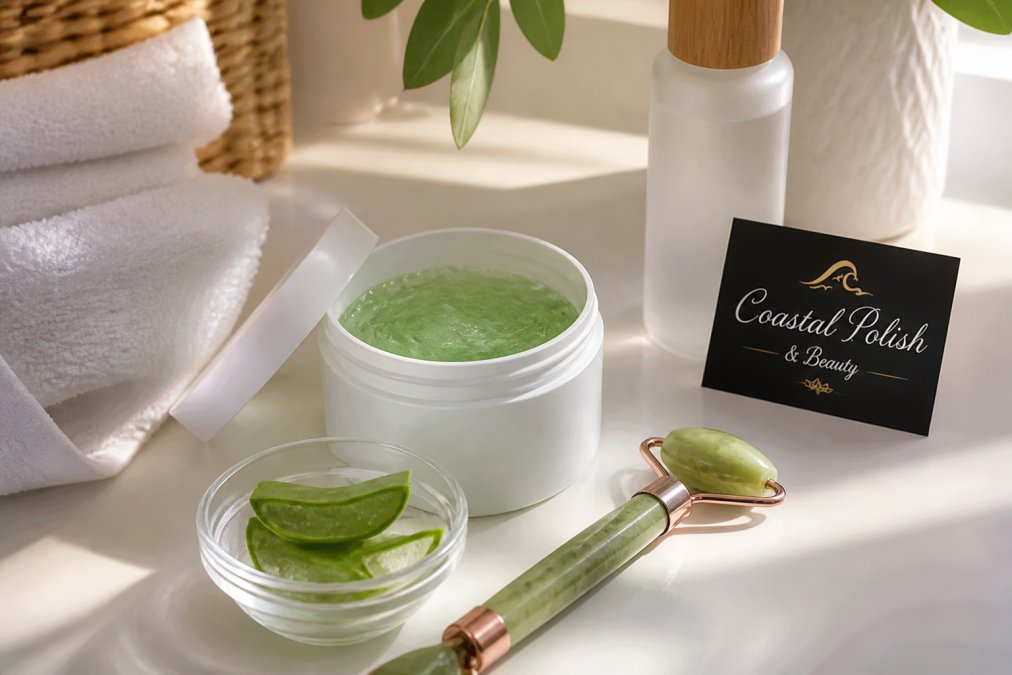
Immediately after waxing, apply a cooling agent to constrict blood vessels and reduce redness and inflammation. Keep a cooling roller or refrigerated aloe vera gel on hand for post-wax use.
Avoid touching the waxed area for at least two hours. Your skin is open and vulnerable to bacteria. Within the first hour, apply a fragrance-free moisturizer designed for sensitive skin with hyaluronic acid, ceramides, or glycerin to support barrier repair.
Skip products containing alcohol, fragrance, or active ingredients like acids or vitamin C immediately after waxing. Stick to gentle, hydrating products only.
First 48 Hours: What to Avoid
Avoid heat exposure for 48 hours after waxing. Hot showers, saunas, steam rooms, and intense exercise increase blood flow, amplifying redness and inflammation. Stick to lukewarm water and gentle cleansing.
Don't exfoliate or use potentially irritating products including retinoids, vitamin C serums, acids, and benzoyl peroxide. Wear loose, breathable cotton clothing over waxed areas to allow airflow and prevent sweat buildup.
Avoid swimming in chlorinated pools or saltwater for at least 48 hours. Don't apply makeup to waxed facial areas for at least 24 hours; if necessary, use only hypoallergenic, fragrance-free products applied with clean brushes.
Common Waxing Mistakes for Sensitive Skin
Most waxing problems stem from preventable mistakes. The most common is waxing too frequently. Hair has a growth cycle, and waxing every two weeks doesn't align with it, forcing unnecessary repeated trauma. For sensitive skin, space appointments four to six weeks apart.
Another frequent error is applying wax at the wrong temperature. Your technician should test temperature on their inner wrist before applying to you. Many people also fail to communicate their sensitivity level explicitly to their technician.
Using the wrong wax type is preventable, hard wax should be your default for sensitive skin. Failing to prepare skin adequately and neglecting post-waxing care are equally common mistakes that dramatically affect results.
Waxing Safety for Different Body Areas
Different body areas have different skin thickness, sensitivity levels, and hair types.
Facial waxing requires the gentlest approach. Use hard wax exclusively on the face. Eyebrow, lip, and chin areas are particularly sensitive and should only be waxed by experienced technicians.
Bikini and underarm waxing involves thicker, coarser hair and skin prone to irritation and ingrown hairs. These areas benefit from hard wax and cream-based formulations with soothing ingredients.
Leg waxing involves larger surface areas with finer hair. Hard wax remains the safer choice for sensitive skin even if slightly slower.
Back and chest waxing can use either hard or soft wax depending on hair type, but hard wax is gentler for sensitive skin.
For any body area with PCOS or hormonal hair growth patterns, discuss this with your technician, as hormonal hair tends to be coarser and may require different formulations or longer intervals between appointments.
Conclusion
Gentle waxing for sensitive skin is achievable when you prioritize the right wax type, thorough preparation, and diligent post-waxing care. Hard wax with soothing ingredients like azulene and aloe vera, combined with patch testing and medication disclosure, sets you up for success. The 48 hours after waxing matter as much as the appointment itself, cooling, hydration, and avoiding heat and irritants prevent the redness and irritation that derail the experience.
At Coastal Polish & Beauty, our expert technicians understand that sensitive skin requires a personalized approach. We use hard wax formulations specifically chosen for gentle waxing for sensitive skin, apply temperature-controlled techniques, and provide detailed post-waxing guidance to ensure you feel refreshed and confident. Book your appointment with us and experience professional waxing in a clean, serene environment where your skin's needs come first.
Frequently Asked Questions
Is hard wax or soft wax better for sensitive skin?
Hard wax (non-strip wax) is generally gentler for sensitive skin because it adheres to hair rather than skin, reducing irritation and the risk of skin lifting. Soft wax (strip wax) removes a thin layer of skin along with hair, which can trigger redness and inflammation in sensitive individuals. Hard wax is ideal if you experience frequent irritation, though your technician should confirm the wax formulation includes soothing ingredients like azulene or chamomile for maximum comfort.
What should I do if I have an allergic reaction after waxing?
Distinguish between normal sensitivity and true allergic reaction: mild redness and warmth fade within 2-4 hours, while allergic reactions cause severe swelling, hives, or persistent itching beyond this window. If you suspect an allergy, stop using the product immediately, apply cool compresses, and avoid further application. Contact a dermatologist if symptoms worsen. Always perform a patch test 24-48 hours before full waxing to identify potential reactions to specific ingredients like mineral oil, fragrance, or dyes.
How long should I wait after waxing before applying makeup or other products?
Wait at least 24 hours before applying makeup, sunscreen, or fragranced products to facial waxed areas. Your skin barrier is temporarily compromised after waxing, making it more susceptible to irritation from cosmetics and actives. For body waxing, avoid tight clothing, lotions, and exfoliants for 48 hours. During this window, stick to fragrance-free, hypoallergenic moisturizers and avoid hot showers, saunas, and chlorinated pools to protect healing skin.
What ingredients should I avoid in waxing products if I have sensitive skin?
Avoid waxes containing synthetic fragrance, artificial dyes, mineral oil, and harsh preservatives, which trigger irritation in sensitive individuals. Instead, look for formulations with hypoallergenic, fragrance-free labels and soothing actives like azulene, chamomile, aloe vera, and zinc oxide. If you have known allergies, request ingredient lists from your waxing provider before your appointment and perform a patch test on a small area 24-48 hours prior to confirm tolerance.
This article was written using GrandRanker