 how-to
What to Do If Your Manicure Is Damaged: A Step-by-Step Guide
Table of Contents
- Assess the Type and Severity of Damage to Your Manicure
- Immediate Steps After Your Manicure Damage Occurs
- How to Fix a Chipped Gel Manicure at Home
- Nail Repair After Acrylics: Recovery and Restoration
- When to Request Professional Nail Repair Services
- Moisturizing and Treating Damaged Nails With Cuticle Oil
- Taking a Break From Gel, Acrylic, and Polish
- Frequently Asked Questions
Last Updated: October 20, 2026
Assess the Type and Severity of Damage to Your Manicure
Knowing what to do if your manicure is damaged starts with identifying what went wrong. A small chip, a cracked nail plate, and signs of infection each need a different fix.
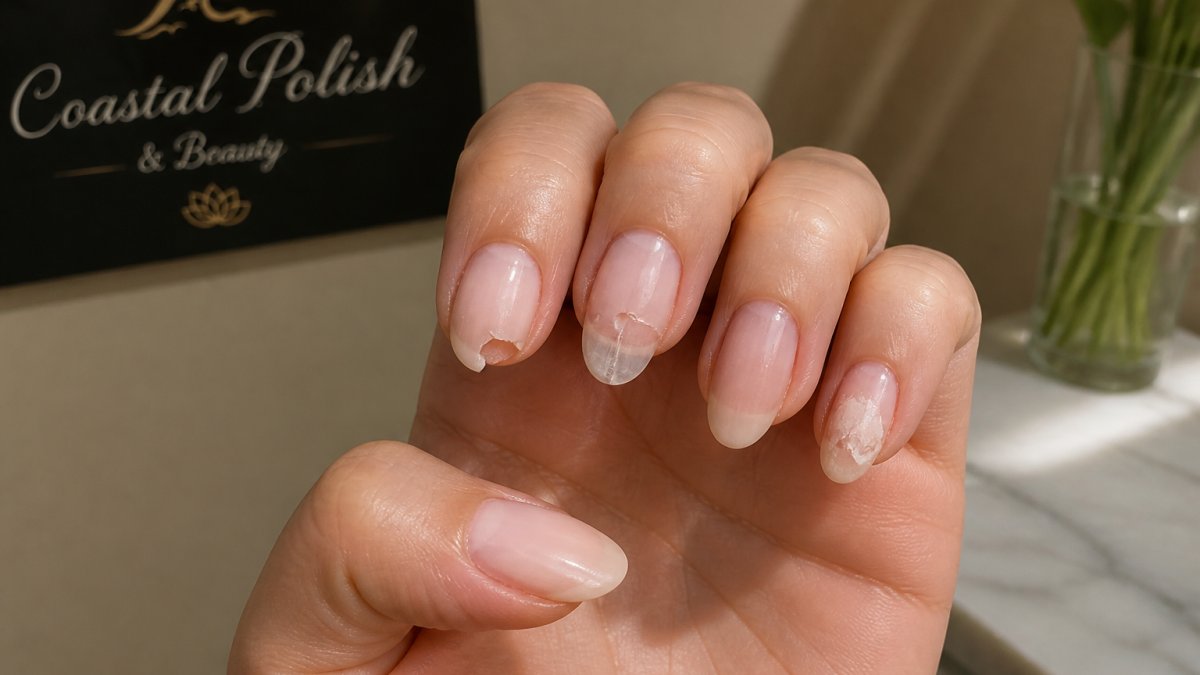
Chipped or broken polish
Chipped polish is the most common manicure mishap: polish lifting at the edge, a crack across the surface, or large chunks coming away entirely. It happens when a nail catches on something, the polish didn't adhere properly, or the base coat was too thin. The good news: chipped polish is purely cosmetic and doesn't damage the natural nail underneath, so you can fix it at home temporarily or wait for a professional touch-up.
Damaged gel polish or acrylic nails
Gel polish and acrylic nails create a harder surface than regular polish, but they're not indestructible. You might see:
- A crack running through the gel or acrylic
- The enhancement lifting away from the natural nail
- Discoloration or yellowing under the coating
Such damage usually means the enhancement is failing and the bond to your natural nail is compromised; wearing it anyway can trap moisture underneath and invite infection.
Signs of infection or injury to the nail plate
Pay close attention here. Look for:
- Redness or swelling around the nail bed or cuticle
- Pus or discharge from under the nail
- Throbbing pain or tenderness
These are red flags. An infected nail needs medical attention, not a DIY fix, so contact a clinician or dermatologist right away; untreated infections can spread quickly.
Immediate Steps After Your Manicure Damage Occurs
The first few hours are critical: what you do, and avoid, determines whether the problem stays minor.
What to do right away
Stop using that hand for strenuous activity. Set down what you're holding and rest your hand for a few minutes to assess the damage and prevent further breakage.
Inspect the nail closely under good lighting. Is the polish chipped or the nail plate cracked? Is there redness or swelling? Your answer determines your next move.
Take anti-inflammatory action if there's swelling. Ice the area for 10-15 minutes to reduce inflammation and numb minor pain.
What not to do
Don't pick or peel at the damaged area. Picking a chipped gel or acrylic nail causes more damage and can pull away healthy nail.
Don't ignore signs of infection. Redness, swelling, warmth, or discharge need prompt attention from a healthcare provider.
Don't file aggressively. Smooth rough edges with a fine-grit file; aggressive filing weakens the nail and causes peeling.
Don't soak your hand in water for extended periods. Water softens the nail plate temporarily, making it more prone to breakage.
How to Fix a Chipped Gel Manicure at Home
A chipped gel manicure doesn't always require a salon visit, depending on severity.
Temporary fixes versus permanent solutions
Temporary fixes are quick and buy you a few days until you can see a professional.
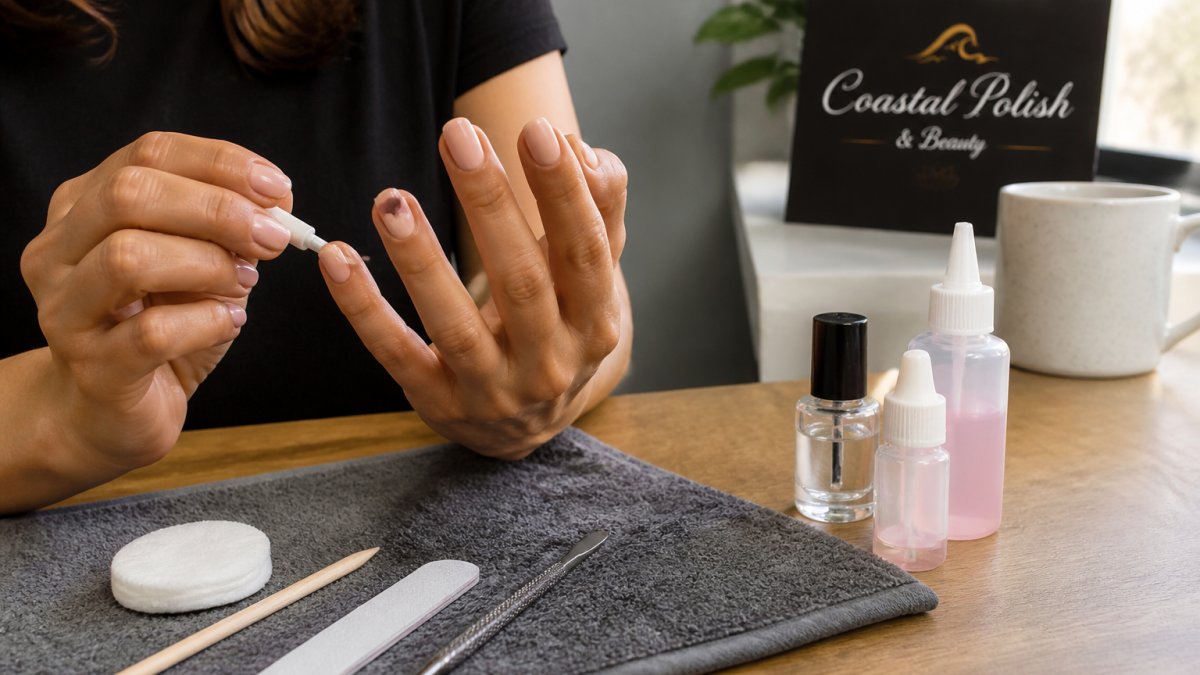
- File the rough edge smooth with a fine nail file
- Apply a clear gel or regular polish over the chip to seal it
- Use a nail wrap or decorative sticker to cover the damaged spot
These hold for 3-5 days and keep the chip from spreading or catching on fabric.
Permanent solutions require more skill or professional help.
- Remove the entire gel manicure and start fresh (this requires acetone soaking or professional removal)
- Have a nail technician repair just the damaged area by filling in the chip with matching gel and re-curing it
- Replace the entire nail if you're wearing acrylics or hard gel
A professional repair is worth it if the chip is large or the gel is lifting; a botched at-home removal can damage the natural nail underneath.
Nail Repair After Acrylics: Recovery and Restoration
Acrylics are tough, but they can damage the natural nail underneath if applied, worn, or removed incorrectly. If your manicure is damaged and you wear acrylics, here's what to expect.
Assessing damage to natural nails beneath acrylics
When an acrylic nail breaks or lifts, you need to see what's happening to the natural nail underneath, which requires removing the acrylic at home or at a salon. Signs of damage include:
- Thinning or brittleness of the natural nail
- Discoloration or staining
- Peeling or flaking layers
Acrylics are heavy and stress the natural nail, especially when too long or applied over a damaged nail, and scraping or prying them off can tear the nail plate.
Safe removal and healing timeline
Professional removal is safest: a technician soaks the nails in acetone to soften the acrylic, then gently lifts it away in 15-20 minutes, protecting the natural nail.
If you remove acrylics at home:
- Soak your nails in acetone for 10-15 minutes
- Gently push the softened acrylic away with a wooden stick or cuticle pusher
- Never scrape or pry, let the acetone do the work
- File the remaining acrylic smooth
- Wash your hands thoroughly and apply moisturizer
Healing timeline:
- Week 1: Your natural nails will feel soft, flexible, and thin. Keep them short to prevent breakage.
- Week 2-3: The nails start to harden, with new growth at the base, but the damaged area is still fragile.
- Week 4-6: The nail plate thickens and most visible damage starts to grow out.
During recovery, avoid harsh chemicals, excessive water, and strenuous hand use, and wear gloves when cleaning or doing dishes.
When to Request Professional Nail Repair Services
Some damage is beyond a home fix; calling a professional saves time, prevents infection, and gets the repair done right.
Salon corrections and what to expect
If your manicure is damaged within a few days of your appointment, most salons offer free or discounted corrections. A nail technician can:
Schedule and Appointment today for 10% Off your service →
- Fill in a small chip with matching gel and re-cure it
- Repair a lifted edge by removing the enhancement and reapplying it
- Replace a broken acrylic tip with a new one
When you call, describe the damage and when and how it happened; many salons fit you in quickly, and the repair usually takes 15-30 minutes. If the damage happened after a week or more, the salon may charge, so ask about their policy when you book.
Red flags and when to see a clinician
Stop waiting for a salon fix if you notice:
- Increasing redness, swelling, or warmth around the nail
- Pus or discharge
- Pain that's getting worse, not better
These indicate infection or injury beyond cosmetic damage. A dermatologist or primary care clinician can diagnose the problem, prescribe antibiotics, drain pus if needed, recommend nail removal if severely damaged, and advise on prevention. Don't wait more than 24-48 hours if you suspect infection.
Moisturizing and Treating Damaged Nails With Cuticle Oil
Damaged nails need hydration to heal, which is where cuticle oil and nail treatments come in.
How to apply cuticle oil and nail treatments
Choose the right product. Look for cuticle oils with jojoba oil, vitamin E, or argan oil, which penetrate the nail and cuticle to restore moisture and strength.
Apply daily, ideally twice a day:
- Wash your hands and pat them dry completely
- Warm a small drop of oil between your fingers
- Massage it into the cuticle area using circular motions
- Work the oil around the edges of the nail and into the nail bed
- Let it absorb for a few minutes before washing your hands again
For intensive treatment:
- Apply cuticle oil before bed and leave it on overnight (wear cotton gloves to avoid staining sheets)
- Use a nail strengthening treatment 2-3 times per week
- Soak your nails in warm oil for 10 minutes weekly
Well-moisturized nails are less prone to peeling, splitting, and breaking.
Building a nail recovery routine
A consistent routine speeds healing and prevents future damage.
Daily routine:
- Apply cuticle oil in the morning and evening
- Keep nails trimmed short (less than 1/4 inch past the fingertip)
- Wear gloves when cleaning or doing dishes
Weekly routine:
- File nails in one direction only (never saw back and forth)
- Apply a nail strengthening treatment
- Soak nails in warm oil for 10 minutes
- Moisturize cuticles with a rich hand cream
Monthly routine:
- Take a break from polish if you've been wearing it continuously
- Assess nail health and adjust your routine if needed
- Consider a professional manicure at a salon you trust, like Coastal Polish & Beauty, where expert technicians use premium products and proper techniques to support your nail health
This takes just 5-10 minutes daily but makes a huge difference in recovery time and nail strength.
Taking a Break From Gel, Acrylic, and Polish
Sometimes the best fix for damaged nails is a temporary break from enhancements, giving the natural nail a chance to recover fully.
Recovery time and what to expect
Week 1-2: Nails feel softer and more flexible as they adjust to life without the coating.
Week 3-4: The nail hardens as new growth comes in at the base, with a visible line between old damage and new growth.
Week 8-12: Full recovery. The damaged nail has been completely replaced by healthy growth.
During this break:
- Keep nails short to prevent breakage
- Moisturize twice daily with cuticle oil
- Avoid harsh chemicals and excessive water
- Wear gloves when cleaning
The break doesn't have to be permanent.
Preventing future damage to your natural nails
Once your nails are healthy again, protect them:
- Schedule regular manicures at a reputable salon rather than doing them yourself or going to inexperienced technicians
- Request that enhancements not be applied over damaged nails
- Ask your technician to use proper application and removal techniques
- Don't wear enhancements continuously, take breaks every 6-8 weeks
Most nail damage is preventable with good habits and professional care. At Coastal Polish & Beauty, our expert technicians prioritize your nail health alongside beautiful results, using premium products, proper techniques, and personalized care.
Damaged nails don't have to stay that way.
If damage is severe, shows signs of infection, or doesn't improve with home care, reach out to a healthcare provider or dermatologist.
Frequently Asked Questions
How do I know if my damaged manicure needs professional repair or if I can fix it at home?
If the damage is limited to chipped polish on natural nails, home touch-ups work well. However, if your nail plate is cracked, if gel or acrylic nails are lifting or broken, or if you see signs of infection (redness, swelling, discharge), contact a professional nail technician. A salon can assess whether the damage requires removal, repair, or a break from enhancements. When in doubt, reach out to your salon, they can advise you quickly.
What should I do immediately after discovering my manicure is damaged?
Stop using the damaged nail right away to prevent further breakage. Clean the area gently with mild soap and water, then dry thoroughly. If polish is chipped, file any sharp edges smooth. If gel or acrylic is lifting or broken, do not try to remove it yourself, contact your salon for safe removal. Avoid harsh chemicals and keep the area dry until you can see a technician.
How long does it take for nails to recover after removing acrylics or gel?
Recovery time varies. Natural nails typically regain strength within 2-4 weeks after safe removal of gel or acrylic, though visible growth may take 3-6 months. During recovery, keep nails short, moisturize daily with cuticle oil, and avoid harsh chemicals and over-filing. Brittle or peeling nails may need extra care, consider taking a break from all polish and enhancements during this period. If nails remain weak or discolored after 6 weeks, consult a healthcare provider.
What is the best cuticle oil for damaged nails?
Look for cuticle oils containing nourishing ingredients like jojoba oil, vitamin E, or argan oil, which hydrate the nail plate and cuticles. Apply oil 2-3 times daily, especially after washing your hands. Massage it gently into the cuticles and around the nail edges. Consistency matters more than brand, any quality oil applied regularly will support recovery. Ask your nail technician for product recommendations, and avoid oils with harsh chemicals or strong fragrances if your nails are sensitive.