 ultimate-guide
How Long Does a Dip Powder Manicure Last? 2026 Guide
Table of Contents
- What Is a Dip Powder Manicure and How Long Does It Last?
- 7 Factors That Determine Dip Powder Manicure Longevity
- Dip Powder vs Gel Manicure Longevity: Which Lasts Longer?
- Best Practices for Dip Nail Maintenance
- Signs It Is Time for a Dip Manicure Fill
- Troubleshooting Premature Lifting and Peeling
- Frequently Asked Questions
Last Updated: September 21, 2026
What Is a Dip Powder Manicure and How Long Does It Last?
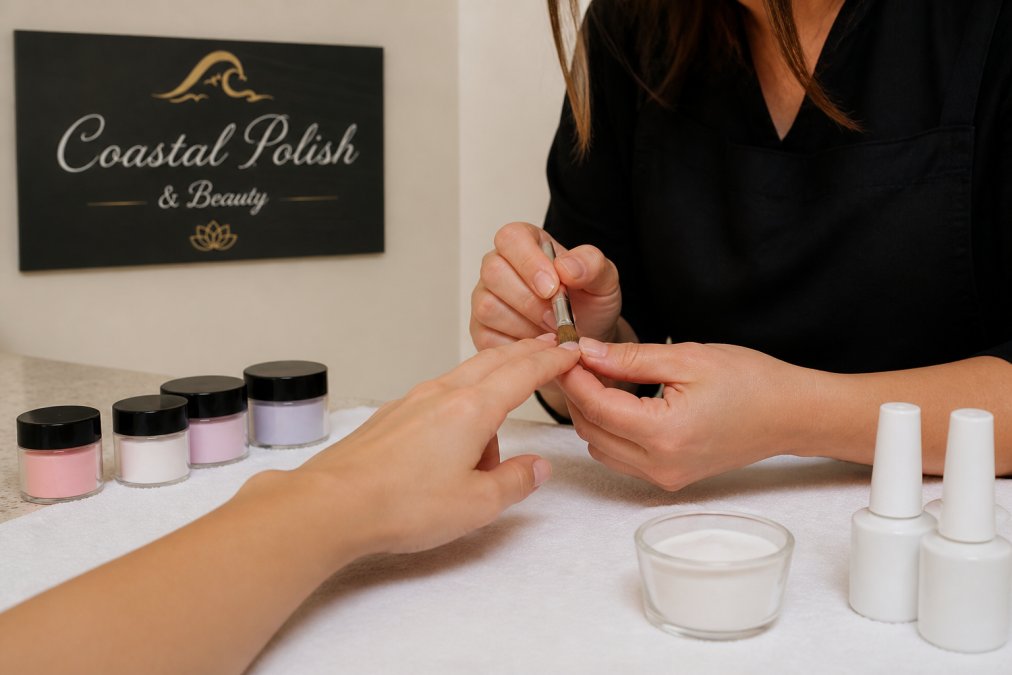
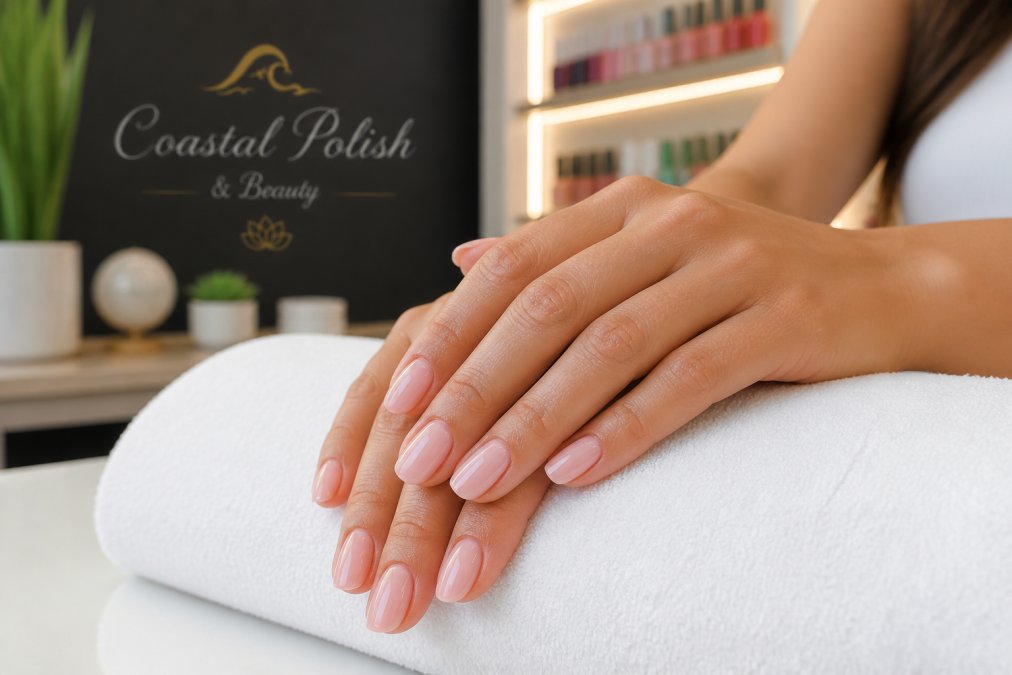
A dip powder manicure is a nail enhancement applied by dipping each finger into colored acrylic powder and sealing it with a cyanoacrylate-based activator. Most people get two to four weeks of wear before the manicure cycle calls for a fill or removal.
That range is wide on purpose.
7 Factors That Determine Dip Powder Manicure Longevity
Seven variables decide whether a set lasts two weeks or four: application technique, nail preparation, natural nail growth, lifestyle wear and tear, at-home maintenance, product quality, and fill timing. Most guides list these and stop. The useful part is the mechanism behind each one, plus how much each factor actually moves the needle for your hands.
1. Application Technique
The single biggest cause of premature chipping is a sloppy application, not bad luck. Dip powder bonds through a cyanoacrylate base and activator system: the base coat wets the nail, the powder adheres to it, and the activator triggers the chemical cure that fuses each layer into one hard shell. If the base goes on too thick, the powder sits unevenly and the activator cannot reach the lower layers.
2. Nail Preparation
Preparation decides how well dip powder bonds to the nail plate. The nail plate is naturally coated in oils and moisture, and cyanoacrylate will not bond through either. Technicians lightly buff the surface to remove shine, dehydrate the nail, and apply a primer to strip lingering oils.
3. Natural Nail Growth
Nails grow at roughly 3 to 3.5 millimeters per month on average, though the rate varies by person, season, and health. That growth pushes the product away from the cuticle, creating the regrowth gap that signals a fill is due. Fast growers may see a visible gap in two weeks; slower growers can stretch to four. Growth is the one factor you cannot change, which is why it sets the ceiling on how long any set can look fresh.
4. Lifestyle Wear and Tear
This is where longevity gets personal, and where most guides stay vague. The honest answer is that two people with identical manicures can get very different wear times based on what their hands do all day.
- Manual labor and frequent tool use. Gripping, twisting, and prying put shear force on the free edge, which is where lifting starts. Expect the shorter end of the range.
- Frequent water exposure. Dishwashing, bartending, nursing, and swimming all cycle the nail through wet and dry states. Water works under any micro-lift and weakens the bond from the inside. Gloves help more than any product.
- Typing and desk work. Low impact on the nail itself, but constant key contact dulls the top coat and can chip the free edge over time.
- Gym and sports. Gripping weights, racket handles, and climbing holds loads the nail edge directly. Chalk and sweat add moisture.
- Childcare and pet care. Lifting, buttoning, and opening containers are the quiet killers. Most clients underestimate this category.
5. At-Home Maintenance
Cuticle oil and gloves do more for durability than most people expect. Oil keeps the nail bed and surrounding skin supple so the product flexes with the nail instead of cracking at the edge. Gloves block the water exposure that undermines the bond. Neither is glamorous, and both are consistently the difference between a set that reaches four weeks and one that fails at day twelve.
6. Product Quality
Cheaper acrylic powder and thin top coats break down faster. The powder's particle size and the activator's chemistry determine how hard the finished shell cures. A quality system cures to a dense, chip-resistant surface; a low-cost one can stay slightly soft and wear at the edges. You do not need to know the chemistry to notice the result: a set that dulls or flexes within the first week is telling you something about the product line.
7. Fill Timing
Dip Powder vs Gel Manicure Longevity: Which Lasts Longer?
Dip powder generally outlasts gel polish. Dip typically holds two to four weeks, while gel polish usually runs one to two weeks before chipping or peeling appears.
Schedule and Appointment today for 10% Off your service →
| Feature | Dip Powder | Gel Polish |
|---|---|---|
| Typical wear time | 2-4 weeks | 1-2 weeks |
| Application | Dipping into powder | UV/LED curing |
| Removal | Soak-off with acetone | Soak-off with acetone |
| Best for | Long wear, structured nails | Quick color changes |
| Main weakness | Lifting if prep is rushed | Chipping at the tips |
Best Practices for Dip Nail Maintenance
Consistent at-home maintenance is what separates a set that reaches four weeks from one that fails at day twelve. The routine takes about five minutes a day, and the order matters as much as the habits themselves.
The Daily Five-Minute Routine
- Morning: cuticle oil. Apply a drop to each nail and massage it into the cuticle and sidewalls. Oil keeps the nail bed and surrounding skin supple so the product flexes with the nail instead of cracking at the edge. Look for one with jojoba or vitamin E, which absorb without leaving a heavy film.
- Before any water task: gloves. Dishes, cleaning, and any task involving hot water or harsh cleaners. Water is the single most common cause of premature lifting because it works under micro-lifts and weakens the bond from the inside. Keep a pair of lined gloves by the sink so you actually use them.
- After water exposure: dry and oil again. Pat nails dry, then reapply a small amount of cuticle oil. This replaces what the water stripped.
- Evening: inspect the edges. Run a fingertip along each free edge. If anything catches, file it smooth with a fine-grit file in one direction. A snag left alone will catch on fabric and lift the whole edge.
- Weekly: check for lifting. Look at the cuticle line and sidewalls. Catching a lift early is a quick salon fix; catching it late is a full removal.
Habits That Quietly Shorten Wear Time
- Using nails as tools to open cans, peel labels, or scrape surfaces. This is the fastest way to chip a free edge.
- Picking or peeling at a lifted edge. This strips layers from the nail plate and leaves nails thin and sensitive for weeks.
- Leaving nails wet for long stretches without gloves. A long bath or a day at the pool is harder on a set than a week of normal wear.
- Skipping the fill because the color still looks good. Regrowth and lifting are structural problems, not cosmetic ones.
What to Keep in Your Bag
A small kit makes the routine realistic: a cuticle oil pen, a fine-grit file, and a pair of gloves. That is it. No acetone, no at-home removal tools, and no picking implements. If a nail lifts, book the salon rather than trying to fix it yourself.
Signs It Is Time for a Dip Manicure Fill
The clearest sign you need a fill is visible regrowth at the cuticle, usually a gap of a few millimeters. Lifting edges, a dull top coat, or a loose nail are the other signals.
Watch for these:
- A visible gap between the cuticle and the product
- Any edge that catches on fabric or hair
- Cloudiness or dulling in the top coat
- A nail that feels loose when you press it
Troubleshooting Premature Lifting and Peeling
Lifting almost always traces back to moisture, oil, or rushed prep, not to the powder itself. Fixing the cause is more useful than patching the symptom.
Frequently Asked Questions
What are the downsides of dip powder nails?
Dip powder manicures can be drying if the nail bed is not properly prepped. The application process involves bonding agents and activators that may cause sensitivity in some people. Removal requires soaking in acetone, which can weaken nails if done too frequently. There is also a risk of infection if tools are not properly sanitized. Finally, dip powder can be more expensive than a basic polish change, and improper application can lead to lifting or uneven texture.
How can I make my dip manicure last longer?
To extend the life of your dip powder manicure, keep your nails dry for the first few hours after application. Wear gloves when doing dishes or cleaning, and avoid using your nails as tools. Apply cuticle oil daily to keep the nail bed hydrated. Schedule fill appointments every 2-3 weeks to prevent lifting. Also, choose a salon that follows a strict sanitization protocol and uses high-quality products. Proper aftercare can help extend the life of your manicure.
Does dip powder damage your natural nails?
Dip powder itself does not inherently damage nails, but improper removal can. Picking or peeling off the powder can strip layers from the nail plate. The acetone soak required for removal can also dry out nails. To minimize damage, always have a professional remove the product and give your nails a break between applications. Using a cuticle oil and keeping nails moisturized supports nail health. When done correctly, dip powder is considered safe for natural nails.
How long should you keep dip on your nails?
Most experts recommend keeping a dip powder manicure on for 2 to 4 weeks. After that, the nail grows out, creating a gap at the cuticle that can lead to lifting and water getting trapped underneath. If you notice lifting, chipping, or a visible gap, it is time for a fill or removal. Leaving it on longer than 4 weeks increases the risk of nail damage and infection. Regular maintenance every 2-3 weeks is ideal.