 ultimate-guide
Paraffin Wax for Dry Hands and Feet: Benefits & Guide
Table of Contents
- What Paraffin Wax Does for Dry Hands and Feet
- The Benefits of Paraffin Wax for Arthritis and Joint Pain
- How Long Does a Paraffin Wax Treatment Last?
- DIY vs. Professional Paraffin Wax Treatments
- Paraffin Wax Safety Precautions and Burn Prevention
- Who Should Avoid Paraffin Wax Treatments
- Post-Treatment Maintenance for Lasting Results
- Conclusion
- Frequently Asked Questions
Last Updated: September 23, 2026
What Paraffin Wax Does for Dry Hands and Feet
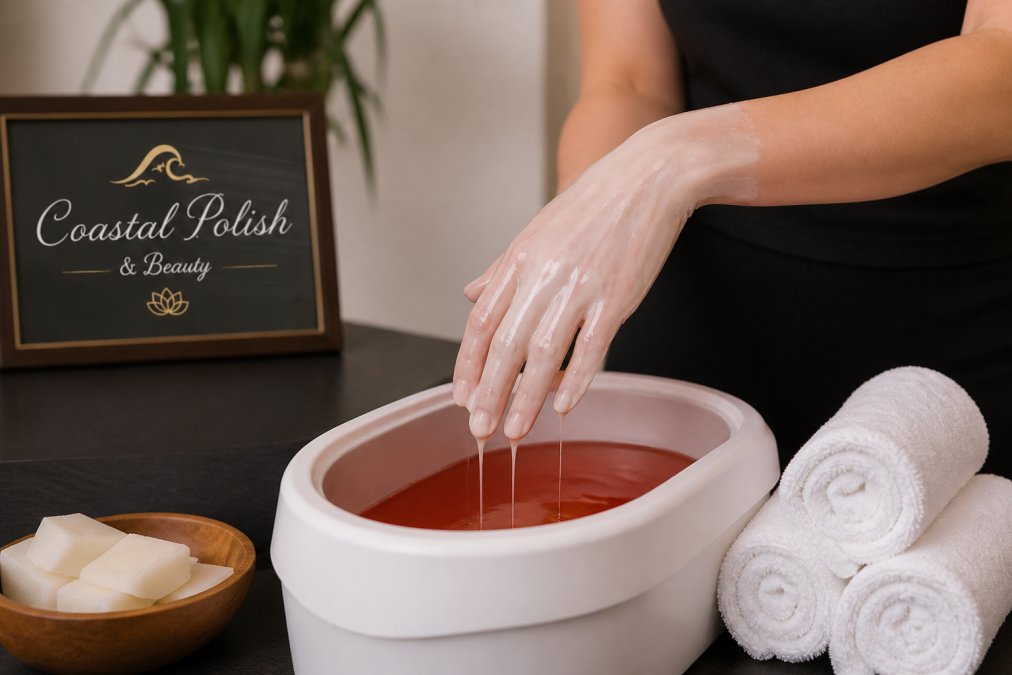
Paraffin wax treatment is a therapeutic heat therapy that immerses hands or feet in warmed cosmetic wax to restore moisture and relieve stiffness.
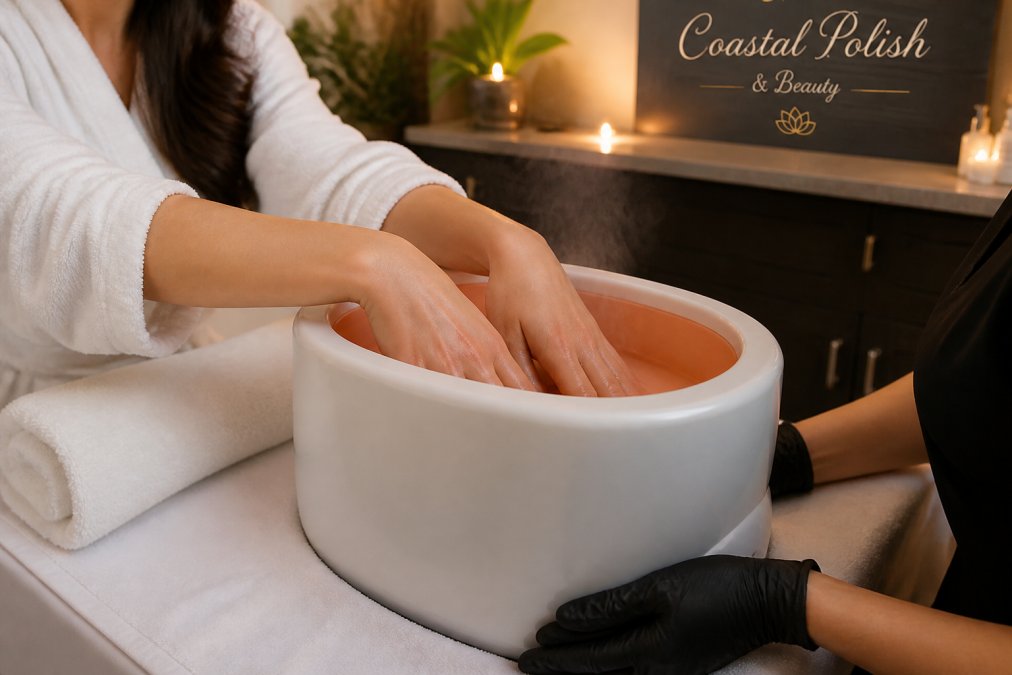
How Paraffin Wax Restores Skin Barrier Function
The skin barrier is your body's first defense against moisture loss and irritants. When this barrier weakens, cracked skin, flaking, and discomfort follow.
Paraffin wax helps by:
- Creating a temporary seal that prevents water evaporation
- Delivering heat that opens pores and increases absorption
- Depositing emollients that soften rough, thickened skin
- Supporting skin elasticity over repeated sessions
The Benefits of Paraffin Wax for Arthritis and Joint Pain
The benefits of paraffin wax for arthritis stem from its ability to deliver therapeutic heat directly to stiff, aching joints. The warmth increases blood flow, which can reduce inflammation and improve mobility.
A common approach for arthritis relief involves:
- Melting the wax to a safe temperature
- Dipping the affected hand or foot repeatedly to build layers
- Wrapping in plastic and a towel to retain heat
- Resting for 10-15 minutes while the wax cools
How Long Does a Paraffin Wax Treatment Last?
A single paraffin wax treatment typically lasts between 10 and 20 minutes once the wax is applied, with the full appointment including preparation and cleanup taking closer to 30 to 45 minutes. The skin benefits, however, can last much longer.
The duration of results depends on:
- How dry your skin was before treatment
- Your daily exposure to water and harsh soaps
- Whether you follow up with moisturizer
- The condition being addressed
DIY vs. Professional Paraffin Wax Treatments
Home paraffin baths are widely available and can be effective for maintenance between professional sessions. The real trade-off is not convenience versus luxury, it is control versus consistency. A home unit puts temperature, hygiene, and timing in your hands; a professional treatment puts them in the hands of a trained technician who does this daily.
What a Home Paraffin Bath Actually Requires
A home unit is a small electric warmer that melts wax to a set temperature, usually between 125°F and 135°F depending on the manufacturer. Most kits include the warmer, several pounds of wax, plastic liners, and mitts or booties. Setup is simple, but the variables that matter are the ones people skip:
- Temperature verification. Never trust the dial alone. Use a candy or infrared thermometer to confirm the wax is within the manufacturer's range before dipping. Wax that feels comfortably warm to a fingertip can still be hot enough to burn thinner skin on the feet.
- Hygiene. Wax cannot be effectively sanitized between users. If more than one person uses the same unit, use disposable liners every time and never dip skin with cuts, rashes, or infections. Replace wax according to the manufacturer's guidance, and sooner if you see debris or discoloration.
- Timing. Dipping too fast builds uneven layers; dipping too slow lets the wax cool and crack. Most home instructions call for 6 to 8 quick dips, then wrapping for 10 to 15 minutes.
- Storage. Keep the unit away from water, out of reach of children and pets, and unplugged when not in use.
What a Professional Treatment Adds
A salon or clinic treatment is not just a nicer version of the same thing. The differences that matter are:
- Calibrated temperature. Professional units are checked and adjusted throughout the day, which matters most for people with reduced sensation in the hands or feet.
- Single-use barriers. Liners, mitts, and booties are discarded after each client, which removes the cross-contamination question entirely.
- Even application. A technician builds layers consistently, so the wax cools at the same rate across the hand or foot rather than in patches.
- Assessment. A trained provider can flag skin that should not be waxed, an early infection, a flare, or a wound the client did not notice, before the treatment starts.
Cost and Frequency Trade-Offs
A home unit is a one-time equipment purchase plus replacement wax, which makes it cheaper per session over many months. A professional session is a per-visit cost with no equipment to store or maintain. The practical pattern most people land on is a hybrid: professional sessions when symptoms flare or when arthritis pain is limiting movement, and home sessions for maintenance in between.
| Factor | Home Paraffin Bath | Professional Treatment |
|---|---|---|
| Upfront cost | Equipment purchase plus wax | None |
| Per-session cost | Low after equipment | Pay per visit |
| Temperature control | Manual; verify with a thermometer | Calibrated and monitored |
| Hygiene | Depends entirely on your setup | Single-use liners every time |
| Skin assessment | Self-check only | Trained provider screens first |
| Best for | Maintenance between visits | Flares, arthritis relief, first-time users |
Paraffin Wax Safety Precautions and Burn Prevention
Follow these guidelines:
- Always test the wax temperature on a small area first
- Never use wax above the manufacturer's recommended temperature
- Keep water away from the melting unit
- Do not use on broken, inflamed, or infected skin
- Supervise children and anyone with neuropathy
Never re-dip hands or feet after they've been wrapped, and never use paraffin on skin with open cuts or rashes. The heat can worsen inflammation and introduce infection risk.
The FDA guidance on cosmetic product safety outlines general safety expectations for cosmetic waxes, and the American Academy of Dermatology's skin care resources offers additional guidance on heat therapy for skin conditions.
Who Should Avoid Paraffin Wax Treatments
Paraffin wax is not appropriate for everyone, and the difference between "skip it" and "ask your doctor first" depends on the specific condition. Most guides stop at a generic list. Here is the condition-by-condition breakdown that actually helps you decide.
Skip Paraffin Wax Entirely
Do not use paraffin wax on the affected area if any of the following apply:
- Open wounds, cuts, or recent surgery. Heat increases blood flow to the area and can worsen bleeding, delay closure, and raise infection risk. Wait until the skin is fully healed and cleared by your provider.
- Active skin infections. Bacterial, fungal, or viral infections, including cold sores, impetigo, and athlete's foot, can spread under the warm, occlusive seal. Wax also cannot be sanitized, so the unit itself becomes a contamination risk.
- Allergy to paraffin or added fragrances. Paraffin is generally well tolerated, but scented or dyed waxes can trigger contact dermatitis. If you have reacted to a scented lotion or candle wax before, choose unscented, undyed wax or skip it.
- Severe neuropathy or complete loss of sensation. If you cannot reliably feel heat, you cannot reliably feel a burn starting. This is the single most common reason heat therapy causes injury at home.
Ask Your Doctor First
These conditions do not automatically rule out paraffin, but they change the risk calculation enough that a provider should weigh in:
- Eczema. Paraffin can help dry, flaky eczema by sealing in moisture, but heat can also trigger itching and scratching in some people. If your eczema is in a flare, red, weeping, or raw, skip it. If it is in a dry, stable phase, a short, low-temperature session may help. Patch-test a small area first.
- Psoriasis. The occlusive seal can soften plaques and reduce scaling for some people, but heat and friction can also provoke new lesions (the Koebner phenomenon) in others. Avoid waxing over active plaques, and never wax over cracked or bleeding skin.
- Diabetes. Reduced sensation in the feet is common and can mask a burn. If you have diabetes, have a provider check your feet before any heat therapy, and never use a home unit on your feet without a professional confirming your sensation is intact. The CDC's information on diabetes and skin care notes that people with diabetes need to be especially careful with heat therapies for this reason.
- Poor circulation or vascular disease. Heat dilates blood vessels, which can be helpful for some circulation issues and risky for others, particularly if you have peripheral artery disease or a history of blood clots. Get clearance first.
- Rheumatoid arthritis or other inflammatory joint conditions. Paraffin is often recommended for arthritis stiffness, but during an active flare the heat can increase swelling. Many practitioners suggest using it between flares, not during them.
A Note on Children and Older Adults
Children have thinner skin and less reliable reporting of "too hot." Older adults may have reduced sensation and thinner skin as well. In both cases, supervise the treatment, keep the wax at the lower end of the manufacturer's range, and test on a small area first.
Never re-dip hands or feet after they have been wrapped, and never use paraffin on skin with open cuts, rashes, or active infections. The heat can worsen inflammation and introduce infection risk. When in doubt, ask your provider before you dip.
Post-Treatment Maintenance for Lasting Results
The results you get from paraffin wax depend as much on what you do afterward as on the treatment itself. A simple maintenance routine extends the softening and hydration benefits for days.
After your session:
- Pat skin dry, don't rub
- Apply a thick moisturizer or ointment immediately
- Wear cotton gloves or socks overnight for deeper absorption
- Avoid harsh soaps and hot water for the next 24 hours
- Reapply moisturizer after every hand wash
Conclusion
Dry, cracked hands and feet don't have to be a permanent condition. Paraffin wax offers a proven way to restore moisture, ease joint stiffness, and bring back soft, comfortable skin.
Frequently Asked Questions
What are the primary benefits of a paraffin wax treatment?
Paraffin wax treatments deliver deep moisturization by trapping heat and creating an occlusive barrier that helps skin absorb emollients. This softens cracked skin, improves skin elasticity, and provides therapeutic heat for joint stiffness. Many people also see improved cuticle health and temporary relief from inflammation.
How often should you get a paraffin wax treatment for best results?
For dry hands and feet, most people benefit from a paraffin wax treatment once or twice a week. If you're using it for arthritis or joint stiffness, more frequent sessions (three to four times per week) may help. Results build with consistency, so a regular routine matters more than a single intensive session. Always follow product instructions for frequency.
Is a paraffin wax treatment safe for everyone?
No. Paraffin wax safety precautions matter for people with diabetes, poor circulation, or neuropathy, who may not feel burns. Those with open cuts, rashes, or skin infections should avoid treatment until healed. If you have sensitive skin, test a small area first. Always check the wax temperature and use a thermometer to prevent burns.
Can paraffin wax help with joint pain and stiffness?
Yes, the benefits of paraffin wax for arthritis include temporary relief from joint stiffness and pain. The therapeutic heat increases circulation and reduces inflammation, which can improve mobility. It's often used as an adjunct therapy for rheumatoid arthritis and osteoarthritis. However, it's not a cure, and you should consult your doctor before using it for medical conditions.