 how-to
Waxing Techniques for Sensitive Skin: A Complete Guide
Table of Contents
- Why Sensitive Skin Requires Different Waxing Techniques
- Waxing Preparation Tips for Sensitive Skin
- Hard Wax vs. Soft Wax for Sensitive Skin
- Professional Application Techniques That Protect Sensitive Skin
- Post-Waxing Skincare Routine for Sensitive Skin
- DIY vs. Professional Waxing for Sensitive Skin
- Common Mistakes That Worsen Sensitivity
- Conclusion
Last Updated: August 29, 2026
Why Sensitive Skin Requires Different Waxing Techniques
Waxing techniques for sensitive skin demand a fundamentally different approach than standard hair removal methods. Your skin barrier is more reactive, your nerve endings fire more easily, and inflammation lingers longer after treatment. Standard waxing protocols treat all skin the same, one temperature, one pressure level, one post-care routine for everyone. For sensitive skin, this is a recipe for redness that lasts days, folliculitis, and growing aversion to waxing.
At Coastal Polish & Beauty, we recognize that sensitive skin requires individualized attention before, during, and after waxing. The core issue is this: sensitive skin has compromised barrier function and recovers more slowly from thermal stress (heat from the wax), mechanical stress (the pulling motion), and chemical irritation (residual wax, fragrance, or preservatives). Control all three, and you control inflammation.
Waxing Preparation Tips for Sensitive Skin
Preparation determines 40% of your waxing outcome. Start three to five days before your appointment by gently exfoliating with a soft washcloth or low-strength chemical exfoliant (AHA or BHA, not a grainy scrub). This removes dead skin that traps hairs beneath the surface, reducing extraction force and inflammation.
Hydrate your skin aggressively in the days leading up to waxing. Well-hydrated skin is more elastic and recovers faster from mechanical stress. Drink more water than usual, use a hydrating moisturizer morning and night, and avoid dehydrating products like vitamin C serums or retinoids for 48 hours before your appointment.
Timing and Your Hormonal Cycle
Your hormonal cycle directly influences skin sensitivity. During the luteal phase (the two weeks after ovulation), your skin becomes more reactive and slower to heal. Schedule waxing during the follicular phase (the two weeks after your period starts) when your skin is most resilient. Avoid waxing during the three days immediately before or after your period, when hormonal fluctuations are extreme and pain sensitivity is heightened.
Patch Testing and Medication Considerations
Patch test the exact wax product your esthetician will use on a small, inconspicuous area 24 to 48 hours before your full appointment. If redness, itching, or irritation develops, you've caught a problem early.
Many medications increase skin sensitivity to waxing. Retinoids, vitamin A derivatives, chemical exfoliants, and certain acne medications thin the skin and reduce barrier function. Inform your esthetician and consider pausing them for 48 hours before and after waxing. Antibiotics like doxycycline can increase photosensitivity. Medications affecting blood clotting can increase bruising and bleeding.
Hard Wax vs. Soft Wax for Sensitive Skin
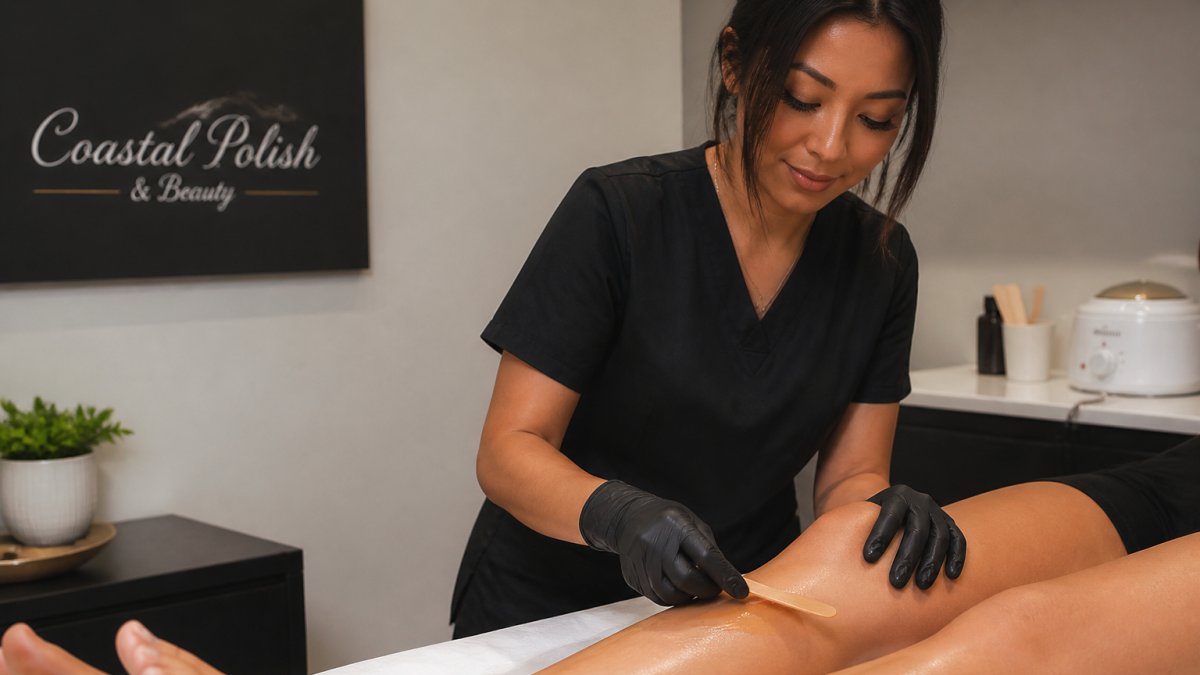
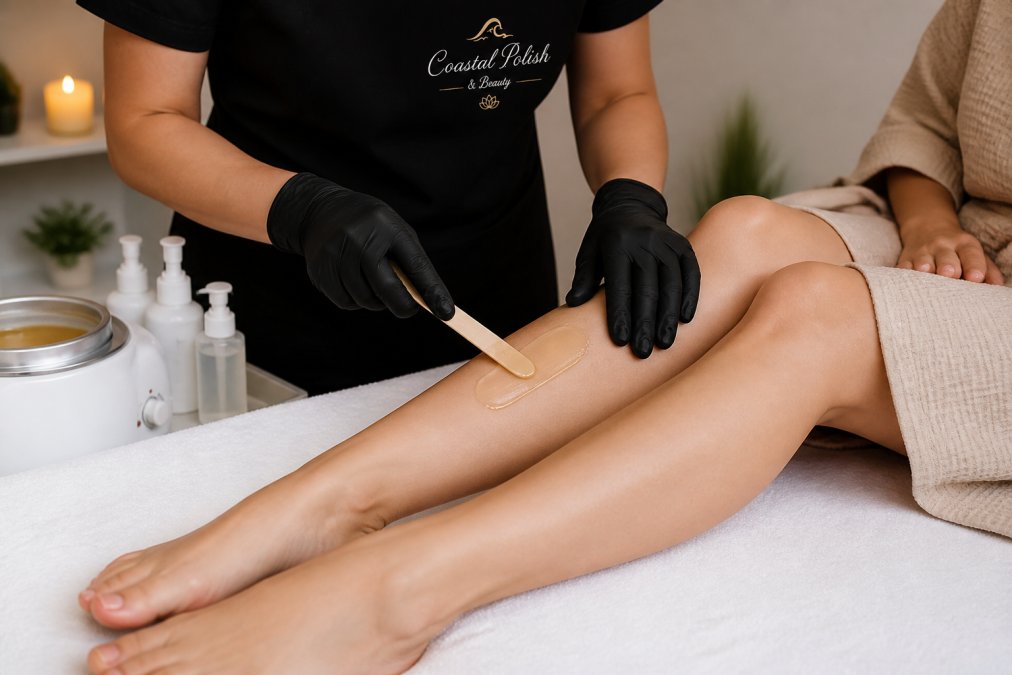
Hard wax is superior for sensitive skin. It adheres to hair, not skin, which means less friction and less trauma to the epidermis. Soft wax grips both hair and the top layer of skin, pulling skin upward along with the hair. Hard wax, also called stripless wax, hardens as it cools and is removed by lifting the wax itself rather than using a strip. The extraction is more controlled and precise, reducing folliculitis risk significantly.
The trade-off is speed, hard wax takes longer than soft wax. But the reduction in inflammation is worth the extra time. Temperature matters more with hard wax than soft wax. If too hot, it increases thermal stress and can cause burns. If too cool, it becomes brittle and breaks during removal. Your esthetician should test temperature on their inner wrist before applying it to your skin.
Look for hard wax products formulated without fragrance, essential oils, or dyes. Hypoallergenic hard wax, labeled as unscented or fragrance-free, is your safest option. Some products include soothing ingredients like chamomile or aloe vera, which help reduce post-wax inflammation.
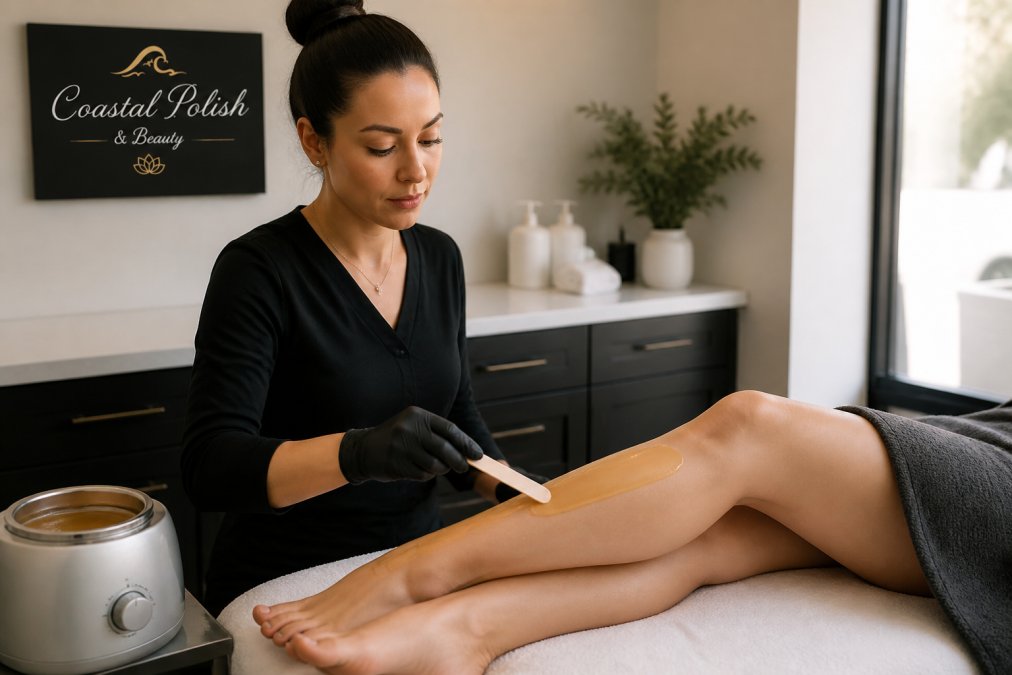
Professional Application Techniques That Protect Sensitive Skin
A skilled esthetician working with sensitive skin moves slowly, applies wax in thin, even layers, and allows adequate cooling time before removal, typically 30 to 45 seconds for hard wax. Pressure during removal is controlled and directional, pulling at a low angle nearly parallel to the skin surface, following the direction of hair growth.
Temperature Control and Wax Consistency
Standard waxing temperature for hard wax is 160 to 170 degrees Fahrenheit. For sensitive skin, reducing temperature to 150 to 160 degrees is often appropriate. Your esthetician should use a thermostat-controlled warmer, not a dial-based one. Dial-based warmers fluctuate and can overheat wax. If your esthetician can't tell you the exact temperature they're using, that's a red flag.
Minimizing Friction and Pore Dilation
Friction is the enemy of sensitive skin. Minimize contact time between wax and skin, and you minimize friction-related inflammation. Pore dilation happens naturally during waxing as heat opens pores. After waxing, your pores need to close and your skin barrier needs to reset.
A professional technique addresses this by using a cool compress immediately after removal. The cool temperature closes pores, reduces inflammation, and signals your skin to stop the inflammatory response. Some professionals apply a soothing oil or serum immediately after. Aloe vera, chamomile, and centella asiatica (cica) are proven anti-inflammatory agents. Fragrance-free formulations are critical.
Post-Waxing Skincare Routine for Sensitive Skin
The 48 hours after waxing are when your skin is most vulnerable. Your barrier is compromised, your pores are dilated, and inflammation is at its peak. The right post-waxing routine accelerates healing and prevents complications.
Schedule and Appointment today for 10% Off your service →
The First 48 Hours: Essential Care Steps
Avoid heat for at least 24 hours after waxing. No hot showers, saunas, steam rooms, or heated exercise. Lukewarm water only. Avoid friction for 48 hours by wearing loose clothing that doesn't rub against waxed areas. Avoid sweat-inducing activity for at least 24 hours. Avoid exfoliation for at least 48 hours. Avoid chlorine and saltwater for at least 24 hours. If you must be in water, rinse immediately with fresh water and apply a soothing moisturizer.
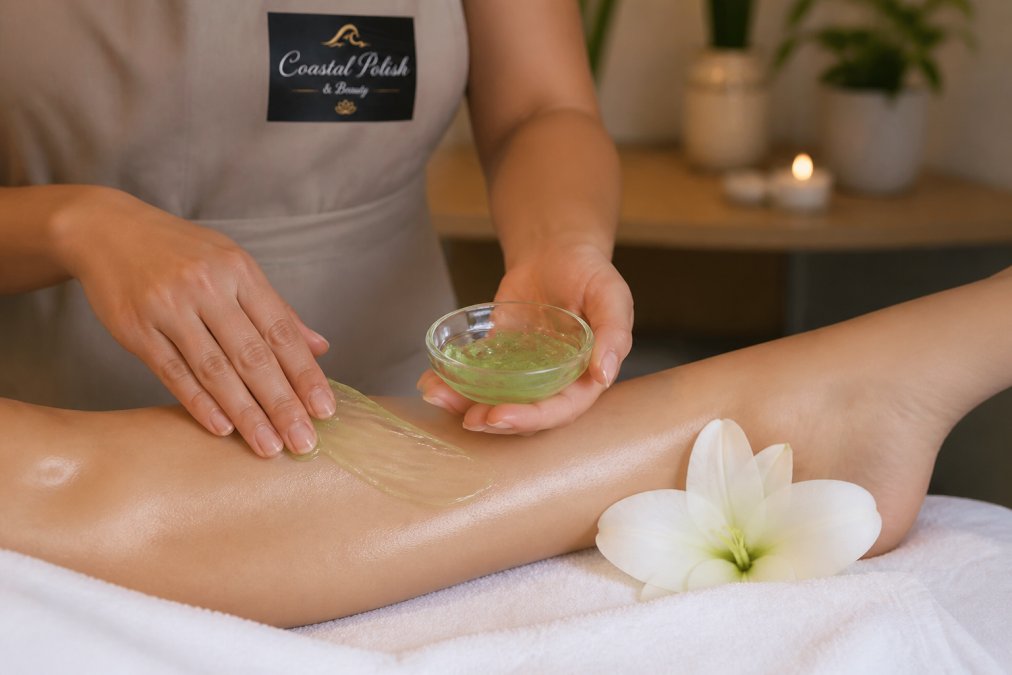
Soothing Ingredients and What to Avoid
Apply a soothing product within the first hour after waxing. Aloe vera is the gold standard, anti-inflammatory, hydrating, and cooling. Use pure aloe vera gel. Chamomile extract, centella asiatica, and oat extract are equally effective.
Avoid fragrance, essential oils, and dyes in post-wax products. Avoid alcohol-based products, which are drying and irritating. Avoid retinoids, vitamin C, and active chemical exfoliants for at least 48 hours. Use a fragrance-free moisturizer twice daily for at least 48 hours after waxing. Look for moisturizers with ceramides, hyaluronic acid, and glycerin. Hydrate from the inside by drinking extra water for 48 hours after waxing.
DIY vs. Professional Waxing for Sensitive Skin
DIY waxing introduces variables you can't control. Temperature fluctuations, inconsistent pressure, timing errors, and lack of experience with sensitive skin protocols increase complication risk. For sensitive skin, professional waxing is strongly recommended.
A professional esthetician has performed thousands of treatments and understands how different skin types react. They can adjust temperature, pressure, and technique based on observation. They have access to professional-grade hard wax formulated for sensitive skin and can recognize contraindications.
DIY waxing works if you accept higher risk. Use professional-grade hard wax, not drugstore strip wax. Invest in a thermostat-controlled warmer. Perform a patch test 48 hours before. Follow all preparation and post-care steps exactly. The cost difference between DIY and professional waxing is smaller than most people think when you factor in failed attempts, wasted product, and time investment.
Common Mistakes That Worsen Sensitivity
The most common mistake is waxing too frequently. Hair needs time to grow to the surface before waxing can remove it effectively. Waxing every three weeks forces your esthetician to apply wax multiple times to the same area, multiplying trauma. Wait four to six weeks between appointments.
Skipping preparation is the second most common mistake. Preparation takes 15 minutes of effort over several days and is the easiest way to improve your experience. Using the wrong post-wax products is equally damaging. Many people use their regular skincare routine immediately after waxing, not realizing their normal products are too strong for compromised skin.
Ignoring contraindications is dangerous. If you're on retinoids, antibiotics, or other medications that affect skin sensitivity, inform your esthetician. If you have active acne, eczema, or psoriasis in the waxing area, postpone waxing. Choosing soft wax over hard wax is a setup for failure. Finally, expect results to improve gradually. By your third or fourth appointment, as your skin adapts and your esthetician learns your specific sensitivities, results improve dramatically.
Sensitive skin doesn't mean you can't wax successfully. It means you need a different approach that prioritizes barrier protection, uses the right product formulations, and follows protocols designed specifically for reactive skin. Professional waxing with an esthetician trained in sensitive skin techniques is the most reliable path to smooth skin without extended irritation.
At Coastal Polish & Beauty, our expert technicians are dedicated to providing a beautifully cared-for experience. We use professional-grade hard wax, maintain precise temperature control, and follow post-wax care routines specifically designed to minimize inflammation and support skin recovery. Book your appointment and experience the difference that specialized technique makes.
Frequently Asked Questions
What is the most gentle waxing technique for sensitive skin?
Hard wax (stripless wax) is generally the gentlest option for sensitive skin because it adheres to hair rather than skin, reducing friction and irritation. Professional estheticians apply hard wax at controlled temperatures and remove it with a single motion, minimizing pore dilation and inflammation. For the most sensitive areas, requesting a professional who uses hypoallergenic, fragrance-free hard wax and follows proper post-wax care protocols significantly reduces redness and folliculitis risk.
What should I do in the 48 hours after waxing sensitive skin?
The first 48 hours are critical for post-waxing skincare. Avoid hot baths, saunas, tight clothing, and friction on waxed areas. Skip exfoliation and strenuous exercise. Apply cool compresses and soothing products containing aloe vera or chamomile to calm inflammation. Wear loose, breathable fabrics and avoid fragrant lotions, deodorants, or products with alcohol. This 48-hour window allows your skin barrier to recover and dramatically reduces redness and irritation.
Should I exfoliate before or after waxing sensitive skin?
Gentle exfoliation 24-48 hours before waxing removes dead skin and helps prevent ingrown hairs, but skip it if your skin is already inflamed or compromised. Never exfoliate immediately before waxing, as this increases sensitivity and irritation risk. After waxing, wait at least 48 hours before exfoliating again. When you do exfoliate post-wax, use a soft cloth or gentle chemical exfoliant, avoid harsh scrubs that can trigger folliculitis or worsen inflammation.
What ingredients should I avoid in wax products if I have sensitive skin?
Avoid wax products containing fragrance, essential oils, dyes, and preservatives like parabens, which commonly trigger irritation and allergic reactions. Skip products with alcohol or strong chemical additives. Look for hypoallergenic, unscented, fragrance-free formulas instead. Similarly, after waxing, avoid lotions and serums with fragrance, alcohol, or synthetic ingredients. Stick to calming, clean-ingredient products like pure aloe vera, chamomile, and gentle moisturizers designed for post-wax care.
This article was written using GrandRanker