 how-to
Why Gel Nails Lift Early: 7 Prevention Steps
Table of Contents
- Why Gel Nails Lift Early: Common Causes
- How to Prep Nails for Gel Polish Correctly
- Signs of Improper Gel Curing and Lamp Issues
- Gel Nail Aftercare Tips to Prevent Lifting
- The Role of Nail Health and Product Quality
- What to Do If Your Gel Nails Start Lifting
- Frequently Asked Questions
Last Updated: September 2, 2026
Why Gel Nails Lift Early: Common Causes
Gel nails lift early when the bond between the gel polish and the nail plate breaks down prematurely. Understanding the root causes transforms how you approach both application and aftercare.
The problem isn't always the product quality or the technician's skill. Often, it's a combination of preparation errors, curing issues, and post-application habits that work together to compromise adhesion. When your gel nails lift early, you're losing both money and confidence in the service.
Several factors create the conditions for premature lifting. The nail plate itself, that hard keratin structure, must be properly prepared to accept gel polish. If oil residue, moisture, or old polish remains on the surface, the gel has nothing to grip. Similarly, the nail plate needs to be dehydrated at the molecular level; excess water in the keratin prevents polymerization from occurring fully. Even small gaps in curing time or insufficient lamp intensity can leave the gel incompletely hardened, making it vulnerable to separation.
Chemical incompatibility between products also plays a role. Using base coats, gel polishes, or top coats from different brands, or expired products, can create adhesion failures that appear days or weeks after application. Finally, the way you treat your nails after the service matters enormously. Exposure to water, harsh chemicals, and solvents weakens the seal between the gel and the nail bed.
How to Prep Nails for Gel Polish Correctly
Proper nail preparation is where the real work happens. This step determines whether your gel manicure lasts three weeks or three days. Most lifting issues trace back to shortcuts taken during prep.
Remove Old Polish and Buff the Surface
Start by removing any existing gel polish completely. Soak nails in acetone for 10-15 minutes, then gently peel away the softened gel. Never scrape aggressively, you're trying to protect the nail plate underneath, not strip it.
Once old polish is gone, the nail surface needs buffing. Use a 180-grit file to create a slightly textured surface. This micro-texture gives the gel something to grip. File in one direction across the nail plate, not back-and-forth, which can cause splitting. Pay special attention to the free edge, that part of the nail extending past the fingertip, and ensure the entire surface has a matte finish, not shine.
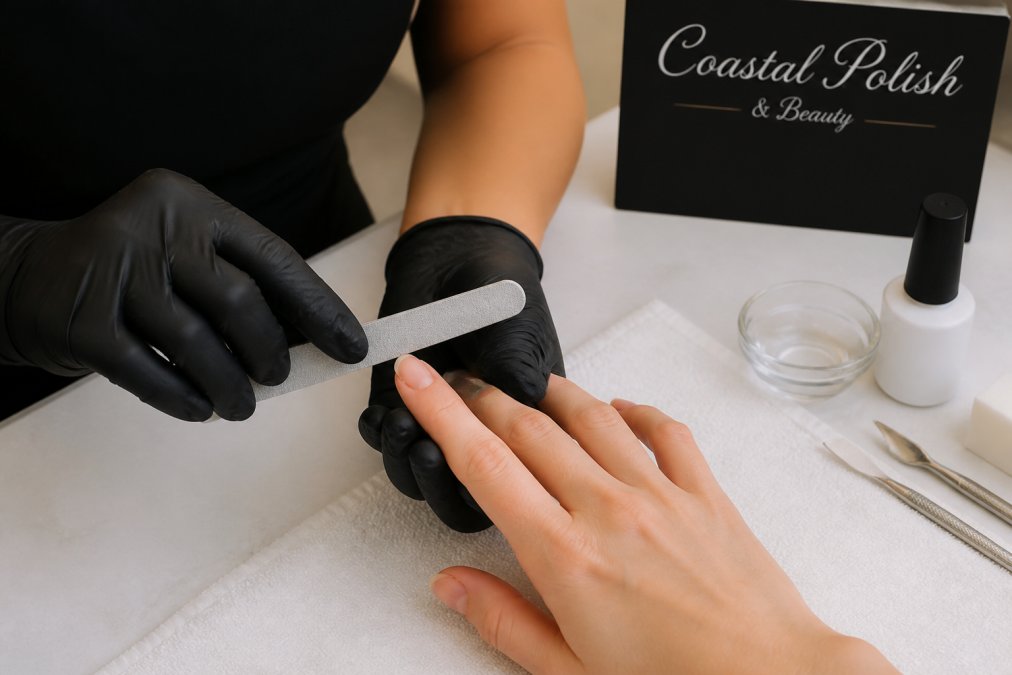
After buffing, brush away all dust with a soft nail brush. This step is critical and often rushed. Dust particles create tiny barriers between the gel and the nail plate. Even microscopic debris can become a lifting point. Some technicians use a lint-free wipe dampened slightly with isopropyl alcohol to ensure the surface is completely clean.
Sanitize and Dehydrate the Nail Plate
Sanitization protects against infection, but dehydration prevents lifting. These are two separate steps with different purposes.
Sanitize using a nail-safe antiseptic or 70% isopropyl alcohol. Wipe each nail thoroughly and allow to air dry completely. This removes bacteria and any remaining oils from filing.
Dehydration is where many applications fail. The nail plate contains water naturally, it's keratin, a protein that absorbs moisture. If this water isn't removed, the gel polish sits on top of a damp surface instead of bonding to the nail. Use a nail dehydrator product (a specialized liquid designed to pull moisture from the nail plate) or isopropyl alcohol applied generously and allowed to evaporate. Some technicians use a small amount of acetone for this final dehydration step. The nail should feel completely dry to the touch, no tackiness, no dampness.
Allow 30-60 seconds after dehydration before applying base coat. Rushing this timing defeats the purpose.
Apply Base Coat Properly
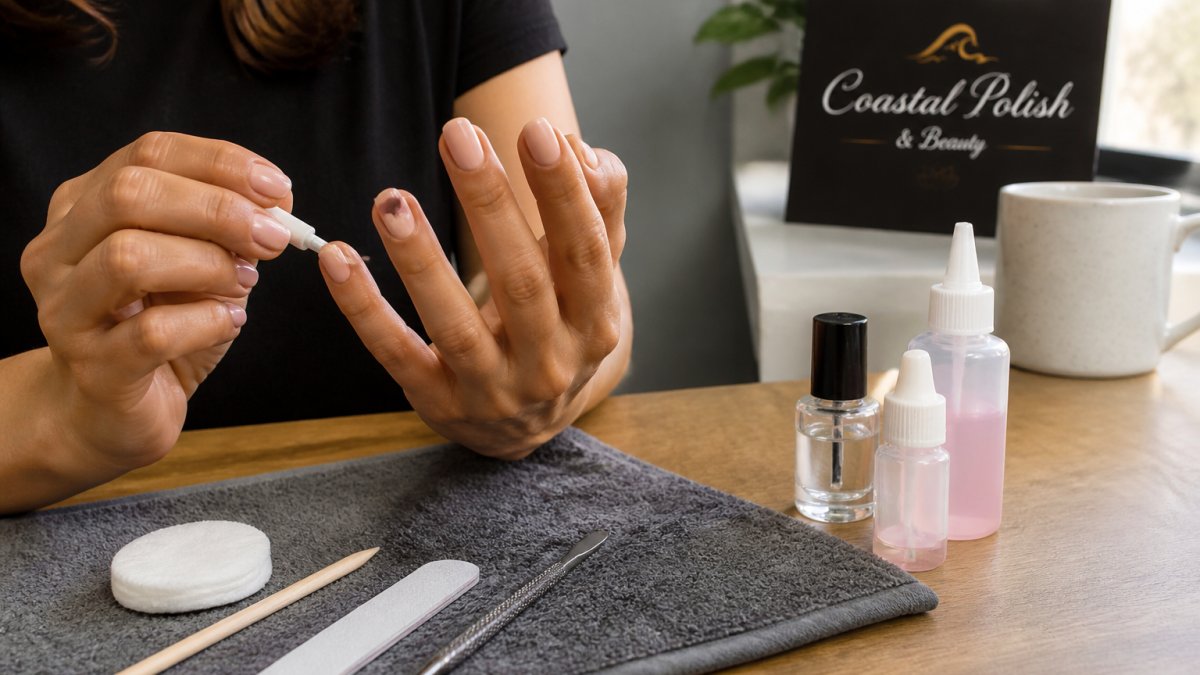
Base coat is your adhesion layer. It bonds to the dehydrated nail plate and creates a foundation for the gel polish to grip. Apply a thin, even layer, not thick, which can cause the entire enhancement to slide around during curing.
Cap the free edge by brushing base coat slightly onto the underside of the nail tip. This seals the edge and prevents water from seeping underneath during wear. Many lifting issues start at the free edge because this step was skipped.
Cure according to the lamp manufacturer's specifications. UV lamps typically require 2-3 minutes; LED lamps usually need 30-60 seconds. Don't guess at timing, check the product instructions and your lamp's output.
Signs of Improper Gel Curing and Lamp Issues
Curing is where the gel polish hardens through polymerization, a chemical process where the gel molecules link together. Incomplete curing leaves the polish soft and prone to lifting. Understanding your lamp and recognizing curing failures prevents this entirely.
UV vs. LED Lamp Differences
UV lamps emit ultraviolet light at a broader wavelength range. They cure most gel polishes, but the process takes longer, typically 2-3 minutes per layer. UV lamps are older technology and more forgiving with different gel brands, though they generate heat and require longer exposure times.
LED lamps emit a narrower, more intense wavelength. They cure compatible gels in 30-60 seconds, which is faster and more efficient. However, not all gel polishes cure properly under LED lamps. Some gels formulated for UV light won't polymerize under LED, or will cure incompletely. This mismatch is a common cause of lifting.
The lamp's wattage matters significantly. A 36-watt UV lamp and a 48-watt LED lamp are not equivalent. Higher wattage delivers more intense light, curing gel more thoroughly. If your lamp is underpowered or aging, it may not provide enough intensity to fully polymerize the gel, leaving it tacky or soft underneath the surface. This weakness appears as lifting days later.
Check your lamp's age and wattage. Bulbs degrade over time, a UV lamp that's two years old may have lost 20-30% of its output without you noticing. If your gel nails are lifting consistently, lamp intensity is worth investigating.
Curing Time and Polymerization
Polymerization is the chemical transformation where gel molecules cross-link, creating a hard, durable coating. This process requires specific light wavelengths and sufficient exposure time. Skipping seconds or using an incompatible lamp interrupts polymerization, leaving weak spots where the gel hasn't fully hardened.
Each layer, base coat, color, top coat, needs complete curing. Rushing between layers traps uncured gel underneath, which continues to soften and eventually separates from the nail plate. The standard recommendation is to cure each layer fully, even if it feels hard to the touch. Surface hardness doesn't mean the entire layer has polymerized completely.
Temperature also affects curing. Gels cure more efficiently at room temperature (68-72°F). Cold environments slow polymerization; excessive heat can cause premature curing or uneven hardening. Ensure your salon maintains consistent temperature during service.
Gel Nail Aftercare Tips to Prevent Lifting
What happens after you leave the salon determines how long your gel manicure lasts. Aftercare isn't optional, it's the difference between three weeks and three days of wear.
Protect Your Nails from Moisture and Water Exposure
Water is the enemy of gel polish adhesion. Prolonged water exposure softens the seal between gel and nail plate, creating gaps where lifting begins. This doesn't mean avoiding water entirely, it means being intentional about exposure.
Schedule and Appointment today for 10% Off your service →
Wear protective gloves during dishwashing, cleaning, and bathing for the first 24-48 hours after application. This critical window is when the gel is still fully settling and the bond is most vulnerable. Even after this period, minimize soaking. Long baths and extended swimming weaken the seal over time.
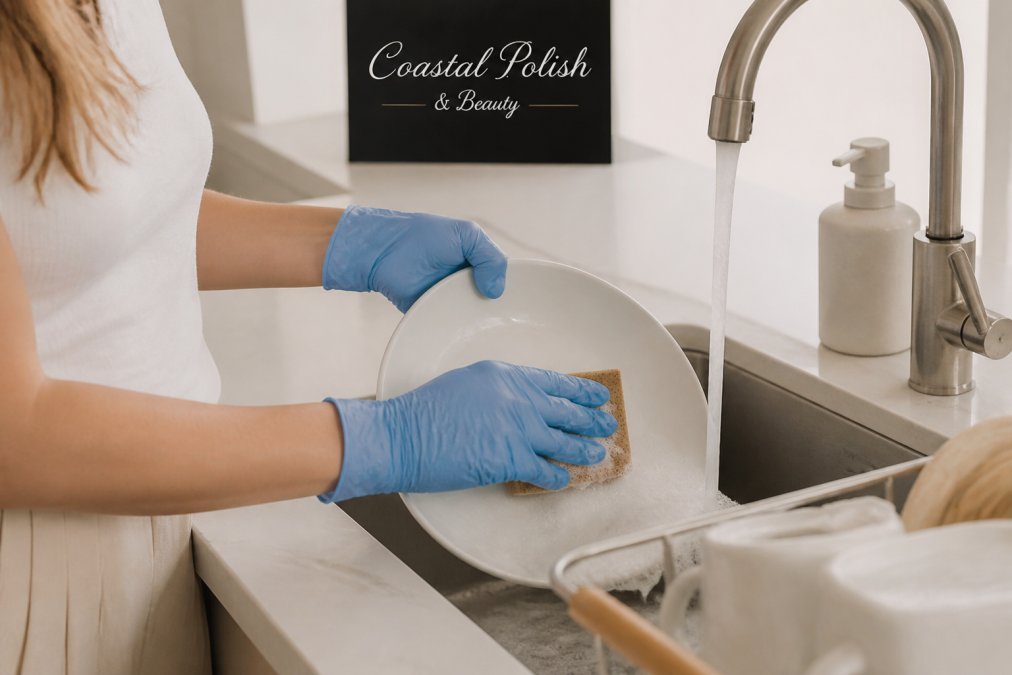
Pat your hands dry thoroughly after washing. Water trapped under the gel or around the cuticles creates humidity that softens the adhesion. Use a soft cloth and pay special attention to the area where the gel meets the cuticle and free edge.
If you notice water seeping under the gel, visible as cloudiness or separation, dry it immediately and apply a thin layer of cuticle oil around the edges. This won't reverse lifting that's already started, but it can slow the progression.
Avoid Harsh Chemicals and Solvents
Acetone, nail polish remover, and strong cleaning chemicals dissolve gel polish and weaken the bond to the nail plate. Avoid prolonged contact with these substances. If you must use them, wear gloves or apply a protective barrier.
Hand sanitizers, especially alcohol-based ones, can soften gel over time. This doesn't mean avoiding hygiene, it means rinsing your hands after sanitizing and drying them completely.
Sunscreen, lotions, and oils applied directly to the nail can create a slippery surface that promotes lifting. Apply these products to the skin around the nail, not the nail itself. If you do get product on the nail, wipe it clean with a dry cloth.
The Role of Nail Health and Product Quality
Healthy nails hold gel polish better. If your nail plate is thin, brittle, or damaged, gel polish will lift more easily because there's less keratin structure for it to bond to. Underlying health factors, dehydration, nutritional deficiencies, hormonal changes, affect nail strength and moisture content.
Biotin, iron, and protein support nail health. Staying hydrated helps maintain the moisture balance in your nail plate. If you have consistently thin or peeling nails, addressing these factors before getting gel manicures will improve results dramatically.
Product quality and expiration dates matter more than many people realize. Expired gel polish thickens and doesn't polymerize correctly. Base coats and top coats from different brands sometimes have incompatible chemistry, creating weak points in the coating. Using a complete system from one brand, base, color, and top coat designed to work together, ensures chemical compatibility and better adhesion.
Storage also affects product performance. Gel polish exposed to heat or direct sunlight degrades faster. Keep products in a cool, dark place. If your gel polish has been open for over a year, it's worth replacing.
What to Do If Your Gel Nails Start Lifting
If lifting has already started, the goal is to slow it and prevent infection while you wait for your next appointment. Lifting creates a pocket between the gel and the nail plate where bacteria and moisture accumulate.
As soon as you notice lifting, stop the progression by sealing the gap. Apply a thin layer of cuticle oil or a specialized gel sealer around the lifted edge. This doesn't restore the bond, but it reduces moisture and bacteria infiltration.
Avoid picking at the lifted gel, which damages the nail plate underneath and spreads the problem. Keep the area dry and protected with gloves during water exposure. If the lifted area becomes painful, red, or shows signs of infection, see a dermatologist or your nail technician immediately.
When you return for your next service, your technician should remove the gel completely and assess the nail plate for damage. If the nail is thinned or weakened, allow it to recover before applying gel again. This might mean wearing regular polish for one or two growth cycles.
At Coastal Polish & Beauty, we focus on preventing lifting from happening in the first place through meticulous prep, proper curing, and detailed aftercare guidance. Our approach ensures your gel manicure lasts.
Gel nails lift early when preparation, curing, or aftercare falls short. The good news is that nearly every cause is preventable with attention to detail. Proper nail dehydration, compatible products, adequate curing time, and protective aftercare work together to keep your gel manicure intact. If you're experiencing consistent lifting despite following these steps, your lamp's intensity or your product's expiration date may be the culprit. Book an appointment at Coastal Polish & Beauty to discuss your specific situation, our expert technicians can diagnose the issue and ensure your next gel manicure lasts.
=== FAQ ANSWERS (audit these too, same rules) ===
[1] Q: Why are my gel nails lifting so quickly? A: Gel nails lift early due to improper nail prep, insufficient curing time, or moisture exposure. The most common culprit is oil residue or moisture on the nail plate before application, even a thin layer prevents the gel polish from bonding properly to the nail bed. Other causes include inadequate buffing, skipping base coat, or using a lamp with insufficient wattage. At Coastal Polish & Beauty, our technicians ensure thorough dehydration and proper curing to maximize adhesion and extend your manicure.
[2] Q: Does improper nail prep cause gel lifting? A: Yes, improper nail prep is the leading cause of premature lifting. If your nail plate isn't properly buffed, dehydrated, and free of oil residue, the gel polish cannot form a strong bond. This includes failing to remove old polish completely, skipping the cuticle removal step, or not allowing acetone or isopropyl alcohol to fully dry. Proper prep removes the free edge, smooths the nail surface, and creates the ideal texture for adhesion.
[3] Q: Can oily nail beds cause gel polish to peel? A: Absolutely. Natural oils and moisture on the nail bed are barriers to adhesion. Even after washing your hands, oils from your skin can transfer to the nail plate within minutes. This is why professional prep includes dehydration with alcohol-based solutions and why aftercare emphasizes avoiding water exposure for at least 24 hours post-application. If you have naturally oily skin or nail beds, mention this during your appointment so your technician can use extra dehydration steps.
[4] Q: What should I do if my gel nail starts lifting? A: If you notice lifting at the free edge or sides, avoid picking or peeling, this damages the nail plate underneath. Instead, seal the lifted edge by applying a small amount of top coat or base coat to the gap and curing it under the lamp. For more significant lifting, schedule a fill appointment or removal and reapplication. Preventive care is easier than repair: avoid prolonged water exposure, wear gloves during cleaning, and follow proper aftercare. If lifting happens repeatedly, discuss it with your technician to identify whether it's a prep, curing, or product compatibility issue.
Frequently Asked Questions
Why are my gel nails lifting so quickly?
Gel nails lift early due to improper nail prep, insufficient curing time, or moisture exposure. The most common culprit is oil residue or moisture on the nail plate before application, even a thin layer prevents the gel polish from bonding properly to the nail bed. Other causes include inadequate buffing, skipping base coat, or using a lamp with insufficient wattage. At Coastal Polish & Beauty, our technicians ensure thorough dehydration and proper curing to maximize adhesion and extend your manicure.
Does improper nail prep cause gel lifting?
Yes, improper nail prep is the leading cause of premature lifting. If your nail plate isn't properly buffed, dehydrated, and free of oil residue, the gel polish cannot form a strong bond. This includes failing to remove old polish completely, skipping the cuticle removal step, or not allowing acetone or isopropyl alcohol to fully dry. Proper prep removes the free edge, smooths the nail surface, and creates the ideal texture for adhesion.
Can oily nail beds cause gel polish to peel?
Absolutely. Natural oils and moisture on the nail bed are barriers to adhesion. Even after washing your hands, oils from your skin can transfer to the nail plate within minutes. This is why professional prep includes dehydration with alcohol-based solutions and why aftercare emphasizes avoiding water exposure for at least 24 hours post-application. If you have naturally oily skin or nail beds, mention this during your appointment so your technician can use extra dehydration steps.
What should I do if my gel nail starts lifting?
If you notice lifting at the free edge or sides, avoid picking or peeling, this damages the nail plate underneath. Instead, seal the lifted edge by applying a small amount of top coat or base coat to the gap and curing it under the lamp. For more significant lifting, schedule a fill appointment or removal and reapplication. Preventive care is easier than repair: avoid prolonged water exposure, wear gloves during cleaning, and follow proper aftercare. If lifting happens repeatedly, discuss it with your technician to identify whether it's a prep, curing, or product compatibility issue.
This article was written using GrandRanker