 blog
What Are the Best Ingredients for Healing Cracked Heels?
Last Updated: November 23, 2026
Quick Summary
The best ingredients for healing cracked heels are a humectant such as urea or glycerin to draw water into the skin, paired with an occlusive like petroleum jelly to seal that moisture in. Apply a thick heel cream to damp skin each night and cover your feet with cotton socks, since cracks usually return within days if moisture is not sealed in.
- Cracked heels form because the heel skin has no oil glands and depends on outside moisture.
- Petroleum jelly is an occlusive that slows water loss and works for mild to moderate cracks.
- Urea and glycerin are humectants that pull water into the outer skin layer.
- Apply heel cream to damp skin after bathing, then cover with cotton socks overnight.
- Deep, bleeding, or infected-looking cracks need a podiatrist or physician, not home care.
Table of Contents
Cracked heels are one of the most common foot complaints, and they usually start with dry skin that has lost its ability to hold water. Thick, rough skin around the heel edge that splits when it is stretched by walking or standing is a common pattern. The good news is that most cracks respond well to home care when the skin is kept moist and protected consistently.
The skin on the heel has no oil glands, so it depends on outside moisture and a healthy skin barrier to stay supple. Pressure from body weight pushes the fatty pad outward, and dry, thickened skin then gives way at the edges. Shoes that fit loosely, open-back sandals, long hot showers, and harsh soaps all make the problem worse.
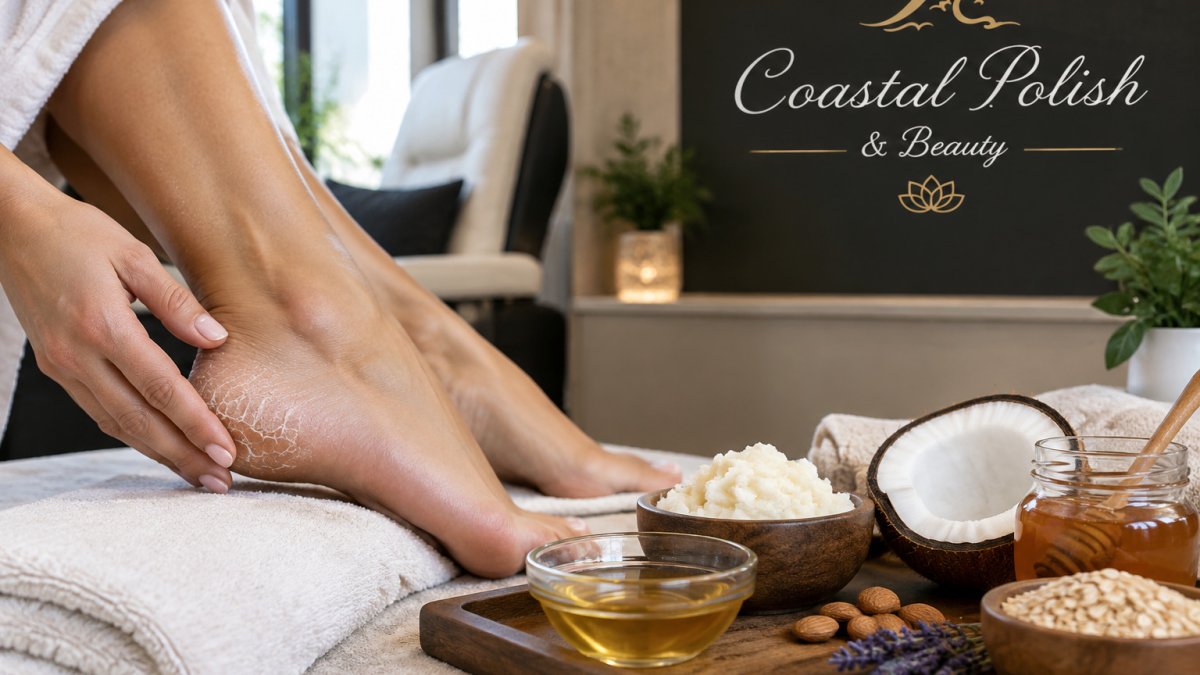
Healing requires three things working together: softening the thickened skin, replacing lost moisture, and sealing that moisture in. Skipping any one of these usually leads to cracks returning within days.
Keep an eye on the depth of the crack. Shallow cracks that feel tight but do not bleed generally respond to a few weeks of daily care. Cracks that are deep, painful, or bleeding need a different approach, covered later in this guide. For a full look at professional treatment options, see luxury pedicure options for cracked heels.
Best Cream for Cracked Heels: Moisturizers That Hold Water In
A good heel cream does two jobs at once: it draws water into the skin and then keeps that water from escaping. Thin lotions rarely accomplish the second part, which is why many people feel relief for an hour and then find their heels dry again by morning.
Look for a cream labeled as a heel treatment, a repair balm, or a thick ointment. Texture matters more than marketing claims. If you are also choosing products for your nails and cuticles, see the best cuticle oil for long-lasting manicures.
Petroleum Jelly and Other Occlusive Ingredients
Petroleum jelly is an occlusive, meaning it forms a barrier over the skin that slows water loss. It is widely available and commonly used for mild to moderate cracks. Apply it to damp skin after bathing, then cover with cotton socks for the night.
Other occlusives include lanolin, dimethicone, and plant-based waxes such as shea or cocoa butter. Occlusives work best applied on top of a humectant layer, so timing matters.
Urea, Glycerin, and Shea Butter Compared
Urea and glycerin are humectants that pull water into the outer skin layer. Urea is often used on rough, thickened skin. Glycerin is milder and is often found in formulas for sensitive skin.
Shea butter is a rich emollient that softens the skin and adds some occlusive effect. Many heel balms combine all three types. Check the label for urea strength and start with a lower concentration if your skin is sensitive.
Natural Remedies for Cracked Heels: Oils, Honey, and What the Evidence Shows
Many people reach for kitchen ingredients first, such as coconut oil, olive oil, castor oil, and raw honey.
Household acids such as vinegar and lemon juice are a different story. They can exfoliate, but they also irritate broken skin and can cause burns or worsen cracks. Essential oils such as tea tree or peppermint can trigger allergic reactions on thin, cracked skin. Use these remedies cautiously, patch-test first, and stop if stinging or redness develops.
Matching Ingredients to Crack Severity and Skin Type
Choose ingredients based on how deep the crack is and how your skin behaves. Mild dryness with tight skin calls for a humectant and an emollient, such as a glycerin-based cream. Moderate cracks with thickened edges usually benefit from urea combined with an occlusive like petroleum jelly.
Sensitive or easily irritated skin should avoid strong acids, essential oils, and high-strength urea at first. People with eczema or diabetes should speak with a doctor before starting an aggressive routine, since reduced sensation or slow healing can allow small cracks to become infected.
How to Heal Cracked Feet Overnight: Application Steps and Timeline
A simple overnight routine works well for most mild cracks. Wash and gently dry your feet, soaking for about 10 minutes in warm (not hot) water first to soften the skin. Pat dry, then use a pumice stone very gently on thickened areas only.
Apply a thick heel cream or ointment while the skin is still slightly damp, massaging it into the cracks. Cover your feet with cotton socks and leave them on overnight. Healing time varies, and shallow cracks often improve over several days to weeks of consistent nightly use. Once the cracks close, how long pedicure aftercare should continue helps keep the results lasting.
Painful Deep Cracked Heels: When Home Care Is Not Enough
Seek professional care if a crack is deep, bleeds, shows yellow drainage, or is accompanied by redness, warmth, or swelling. These are signs of possible infection. A podiatrist or physician can assess the wound and recommend treatment that goes beyond over-the-counter products.
Professional pedicure treatments may be considered when thick calluses have built up, and a trained technician can advise on aftercare.
Booking Professional Foot Care at Coastal Polish & Beauty
If your heels need more than a home routine, Coastal Polish & Beauty offers premium manicure and pedicure services, and you can book your visit through our website. Before you book, you can read whether a luxury pedicure is worth the price.
Ready to restore softer, healthier feet? Book your visit with Coastal Polish & Beauty and let our team help you start feeling refreshed and confident.
Frequently Asked Questions
What is the best home remedy for cracked heels?
For most people, the most effective home remedy is a thick, occlusive moisturizer applied to damp skin after soaking the feet. Petroleum jelly is a widely used option because it slows water loss from the skin's surface. Pairing it with a urea or glycerin cream helps draw moisture into the thickened skin. Apply at night, cover with cotton socks, and repeat daily. Cracks that bleed, look infected, or cause pain that limits walking should be checked by a doctor or podiatrist rather than treated only at home.
Can petroleum jelly help heal cracked heels?
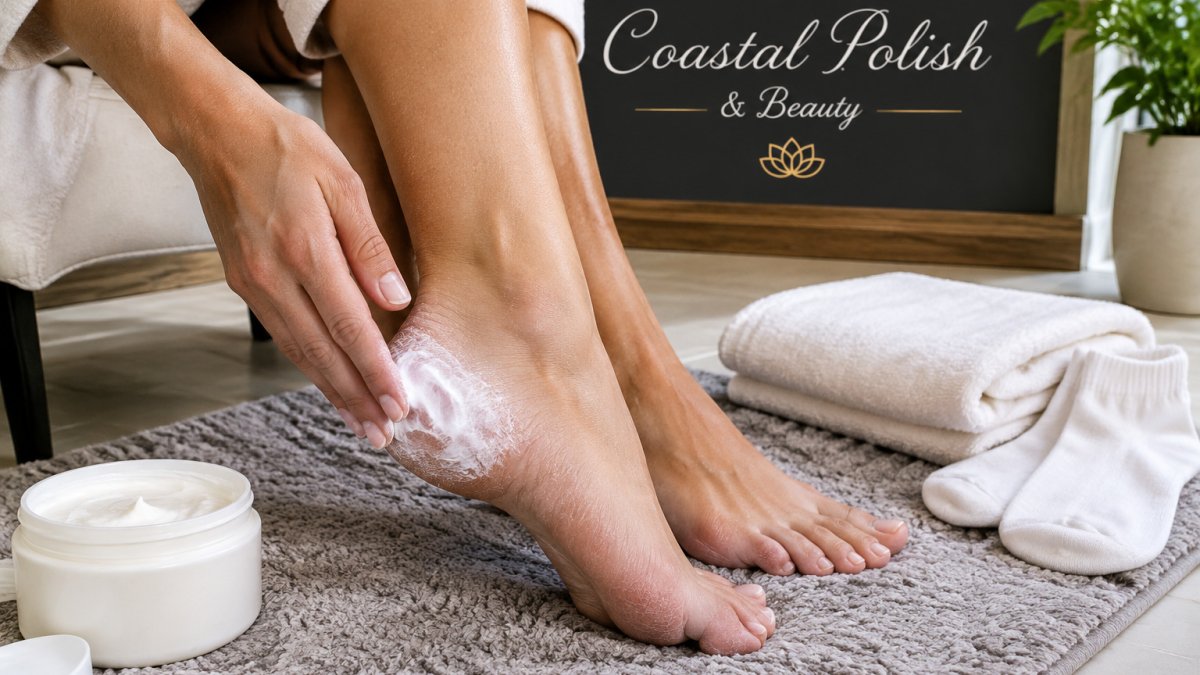
Yes. Petroleum jelly is an occlusive ingredient, meaning it forms a barrier that reduces moisture loss from the skin. It does not add water itself, so it works best applied to skin that is already softened by soaking. Apply a generous layer at bedtime, cover with cotton socks, and repeat nightly until the skin feels smoother. It is generally safe for intact skin, but it should not be used on broken or infected cracks without medical guidance.
When should I see a doctor for painful or deep heel cracks?
See a doctor or podiatrist if cracks are deep enough to bleed, if the skin around them is red, warm, swollen, or draining, or if walking becomes painful. People with diabetes, poor circulation, or nerve problems in the feet should seek care sooner, because small cracks can become infected. Home care is appropriate for shallow dryness and mild cracking, but deep fissures often need professional treatment.