 How-to
How Long to Cure Gel Base Coat Under UV or LED?
Table of Contents
- Why Cure Times for Gel Base Coat Vary
- How Long to Cure Gel Base Coat Under an LED Lamp
- How Long to Cure Base Coat Under a UV Lamp
- UV Versus LED Cure Times and How Lamp Wattage Affects Curing
- Step-by-Step Gel Base Coat Application for Proper Curing
- Do You Cure Base Coat Before Builder Gel?
- Can You Cure Gel Base Coat Without a UV or LED Lamp?
- Booking Your Gel Manicure at Coastal Polish & Beauty
- Frequently Asked Questions
Last Updated: November 22, 2026
Why Cure Times for Gel Base Coat Vary
Gel base coat usually needs somewhere between 30 and 120 seconds under a lamp, but the exact time depends on the product and the light. The base coat is the layer that grips your natural nail, so getting the cure right matters more than most people think. A base coat that feels set on the outside can still be soft underneath, and that is what leads to lifting and chipping later. For more on preventing this, read how to prevent gel polish chipping.
Three things drive the timing most. The first is the product's formula, since each brand is built to cure under a specific light output. The second is the lamp itself, meaning its wattage, its bulb type and how old it is. The third is how thick the coat is applied. A thick layer blocks light from reaching the bottom of the film.
- Formula: Each gel base coat is designed for a particular cure window.
- Lamp output: Wattage and bulb type change how fast light hits the gel.
- Coat thickness: Thick layers need more time, and often leave the base soft.
The safest starting point is always the manufacturer's directions printed on the bottle or packaging.
How Long to Cure Gel Base Coat Under an LED Lamp
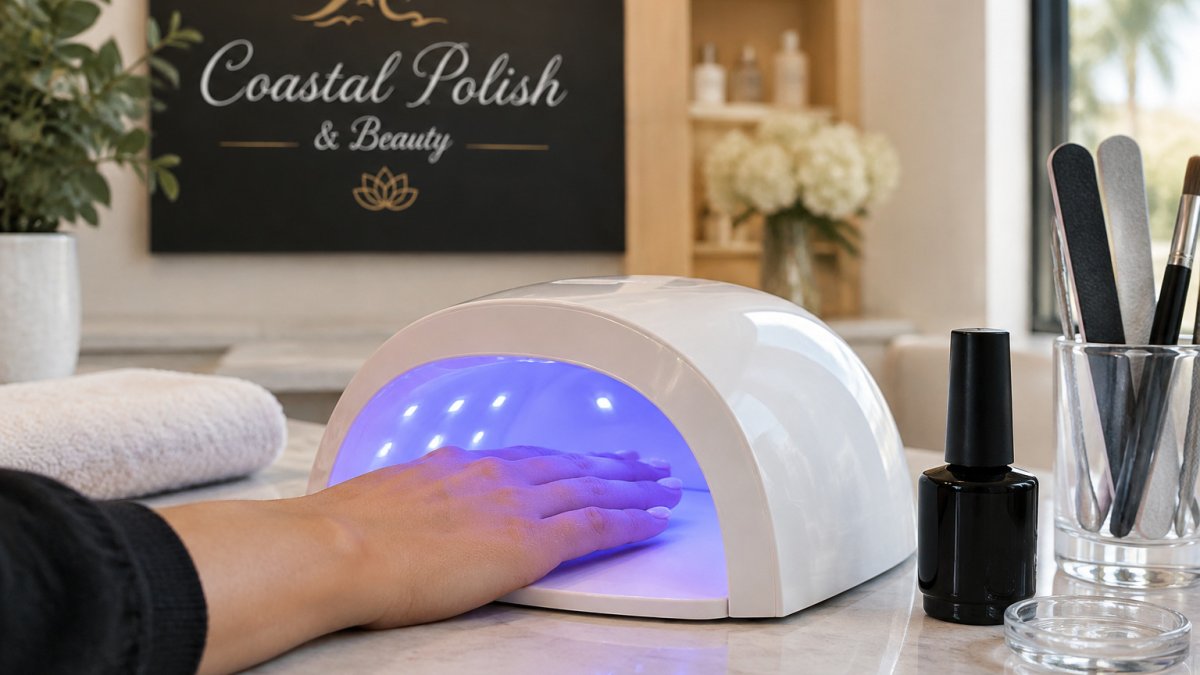
Most LED lamps cure gel base coat in about 30 to 60 seconds, though some products call for up to 120 seconds. Follow the number on the product label first, and treat any generic guideline as a backup.
LED lamps are common in salons and at home. They run cooler and cure faster than older UV bulbs, which is why the time is often shorter.
- Check the product label for the recommended LED time.
- Use the lamp that the gel system was made for when you can.
- Cure for the full listed time, not a few seconds less.
A common mistake is assuming an LED lamp always cures in 30 seconds. Some base coats are formulated for longer exposure, and cutting the time short can leave the film tacky.
How Long to Cure Base Coat Under a UV Lamp
UV lamps usually need about 60 to 120 seconds to cure gel base coat, though the exact time again depends on the product. UV lamps work more slowly than LED lamps, so the timing is typically longer.
Older UV bulbs also lose strength over time. A lamp that is a few years old may need more time than the label suggests.
- Start with the product's recommended UV time.
- If the surface stays sticky, the base may need a little more exposure.
- Replace bulbs that are dim or flickering.
UV Versus LED Cure Times and How Lamp Wattage Affects Curing
The table below gives typical ranges for each lamp type. Your product's label always overrides these numbers.
| Lamp Type | Typical Base Coat Cure Time | Common Wattage Range | Notes |
|---|---|---|---|
| LED | 30 to 60 seconds | 24W to 48W | Faster, cooler curing |
| UV | 60 to 120 seconds | 6W to 9W per bulb | Slower, bulb ages over time |
| Hybrid (UV/LED) | 30 to 120 seconds | Varies by model | Check which mode the product needs |
Typical Base Coat Cure Time
Wattage matters because higher-wattage lamps push more energy into the gel in less time. A low-wattage lamp can still cure the product, but it simply needs longer. Some products also list a specific wavelength, so a lamp that does not match that range may leave the base under-cured even after the full time.
Wattage alone does not prove compatibility, though. A 48W lamp and a 24W lamp can both cure the same base coat if their output and wavelength match the product's photoinitiators. What matters is whether the lamp emits light in the range the gel was formulated to absorb, most commonly around 365 nm for UV and 395-405 nm for LED, and whether the lamp's output is strong enough to deliver the dose the label specifies. A high-wattage lamp with the wrong wavelength can still leave the base soft.
Use this compatibility checklist before you trust a timer:
- Match the system. The safest pairing is a base coat and lamp sold by the same brand, because the cure time on the label was tested on that lamp.
- Read the wavelength. If the product lists a wavelength range, confirm your lamp's specs fall inside it. A lamp marketed only as "UV/LED" without a stated range is a gamble.
- Check the mode. Hybrid lamps often have separate UV and LED settings; run the mode the product calls for, not whichever is faster.
- Account for lamp age. LED diodes dim gradually and UV bulbs lose output well before they visibly fail. If a base coat that used to cure cleanly starts staying tacky, the lamp is a likely culprit.
- Respect the dose, not just the seconds. A weaker lamp may need the full listed time or a second pass; a stronger one does not license you to cut the time short.
Watch out: A lamp that feels hot or cures color coat quickly is not proof it matches your base coat, heat and speed come from output and bulb type, not from wavelength compatibility. To spot the warning signs, read about signs of over-cured gel polish on nails.
When in doubt, cure one test nail with the full labeled time and check it after it cools. If the surface is still tacky or the layer feels soft under light pressure, the lamp and product are probably mismatched, and no amount of extra seconds will fully fix a wavelength problem.
Step-by-Step Gel Base Coat Application for Proper Curing
Clean application makes curing far more reliable. Follow these steps for each nail.
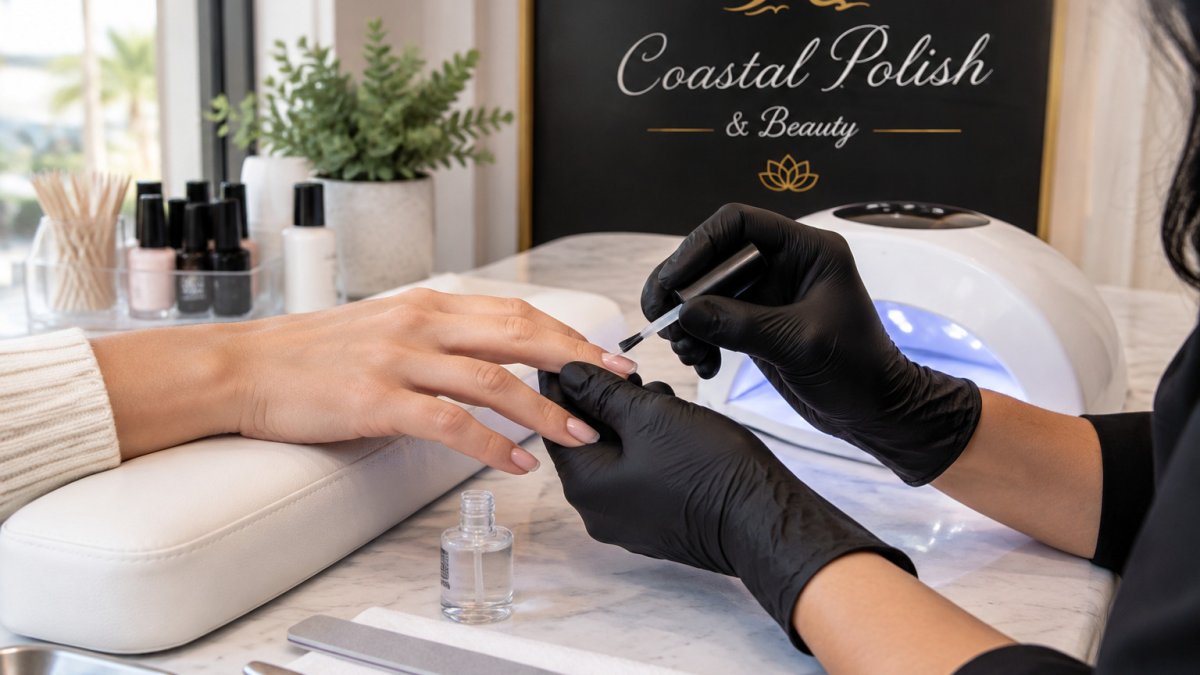
- Prep the nail. Push back the cuticle, buff the surface lightly and wipe away dust with an alcohol wipe.
- Apply a thin base coat. Brush one thin, even layer from the cuticle to the free edge, avoiding the skin.
- Cure the layer. Place your hand under the lamp and cure for the full time listed on the product.
- Check the surface. A fully cured base should feel smooth and hard, not sticky or soft.
- Repeat only if needed. Some products call for a second thin coat, but never apply thick layers.
Thin coats cure evenly. Thick coats can wrinkle, lift or stay soft underneath, even when the outside looks finished.
Watch out: Skipping the nail prep step is one of the most common reasons base coat lifts within a few days.
A surface that feels dry does not prove the layer is cured through. The top of a base coat can skin over while the film underneath is still soft, and that uncured layer is what lifts, chips, and, over repeated exposure, can contribute to skin sensitization. To check, press a clean orange-wood stick or the back of a nail gently into the cured base at the sidewall; it should feel hard, not spongy.
Positioning matters as much as timing. Thumbs sit at an angle to the lamp and often get less direct light, so rotate the hand or cure thumbs separately. Keep the nail centered under the bulbs rather than at the edge of the lamp, and do not stack fingers so one nail shadows another.
If something goes wrong, work through this decision tree before adding more time:
- Wrinkled base: The coat was too thick or the lamp output is too low. Remove it, apply a thinner layer, and cure for the full labeled time.
- Persistent tackiness after the full time: First suspect a lamp/product mismatch or an aging lamp. Try a fresh bulb or a different lamp before extending the timer.
- Lifting within days: Usually prep or skin contact, not cure time. Recheck cuticle cleanup and keep product off the sidewalls and skin.
- Heat spike during curing: A thick coat or a high-output lamp is driving too much energy at once. Use thinner layers and cure in shorter increments if the product allows.
- Base stays soft underneath: The layer is under-cured. Do not apply color or top coat over it, remove and redo, because trapping uncured gel under cured layers is a common cause of peeling and irritation.
A concise reference helps, but the manufacturer's instructions take precedence over any general range. If your product's label and this guide disagree, follow the label.
Do You Cure Base Coat Before Builder Gel?
Yes, in most cases you cure the base coat fully before applying builder gel. Builder gel that goes on top of an uncured base can pull up the layer underneath and cause lifting.
Some systems are designed so that a light, partial cure works between layers. Follow the instructions for your specific system, because mixing steps from different brands can cause problems.
- Cure the base coat completely unless the product says otherwise.
- Apply builder gel only after the base feels hard to the touch.
- Keep the same brand system for each layer when possible.
Can You Cure Gel Base Coat Without a UV or LED Lamp?
No, standard gel base coat is made to cure only under UV or LED light. Sunlight is not a reliable substitute, because it does not provide the right wavelength or intensity. Air drying will leave the product soft and unfinished.
Some people try to cure gel polish without UV light by using a phone flashlight or a sunny window. These methods rarely work and can leave a product that peels off quickly. If you do not have a compatible lamp, the safer choice is to skip the gel and use a regular polish until you can get the right equipment.
Booking Your Gel Manicure at Coastal Polish & Beauty
If you want the curing done right without the guesswork, a professional gel manicure takes the stress off. At Coastal Polish & Beauty in Newport Beach, our technicians use premium products, so each layer is applied with care from base to top coat. Book your visit through our website to see current availability and services.
Frequently Asked Questions
How long should you cure gel base coat under an LED lamp?
Most gel base coats cure under an LED lamp in about 30 to 60 seconds per hand or per nail, depending on the product and the lamp. Check the manufacturer's directions for the exact time, because some formulas call for 60 seconds while others need a longer cycle. Curing under the recommended time with a lamp that matches the gel system helps the base coat set fully, which supports better adhesion and a longer-lasting manicure.
How long should you cure gel base coat under a UV lamp?
Under a UV lamp, many gel base coats need about 60 to 120 seconds per hand, though this varies by product and lamp wattage. Because UV lamps often produce less consistent output over time, a lower-powered or aging lamp may need a longer exposure. Always follow the gel manufacturer's cure time, and if the base coat still feels tacky after the recommended time, check the lamp and extend curing in short intervals rather than guessing.
Does gel base coat need to be cured before applying color?
Yes, gel base coat should be cured before you apply color gel. Curing creates a stable surface, and it helps prevent the base coat from mixing with the color layer, which can cause smearing or uneven coverage. A properly cured base coat also reduces the risk of lifting and chipping later. Skipping the cure step is one of the most common reasons gel manicures fail early, so cure each layer as the product instructions direct.
Why is my gel base coat still sticky after curing?
A sticky finish after curing usually means the base coat is under-cured. Common causes include a lamp that is too weak or old, a coat applied too thickly, the nail sitting too far from the lamp, or a shortened cure time. The sticky layer, called the inhibition or tacky layer, should be removed with alcohol or cleanser before color is applied. To prevent this, apply thin, even coats, position the nail close to the lamp, and cure for the full recommended time.