 how-to
Signs of Over-Cured Gel Polish on Nails
Table of Contents
- What Over-Curing Does to Your Nails
- Visible Damage: Nail Splitting, Peeling, and Brittleness
- Skin Reactions: Redness, Itching, and Swelling Around the Nail
- Understanding Under-Cured Gel Polish Signs
- Gel Polish Curing Time: Finding the Right Balance
- The Gel Nail Heat Spike: Normal Sensation vs. Over-Curing
- How to Remove Gel Polish Safely After Damage
- Prevention: Protecting Your Nails at the Salon
- Frequently Asked Questions
Last Updated: October 6, 2026
What Over-Curing Does to Your Nails
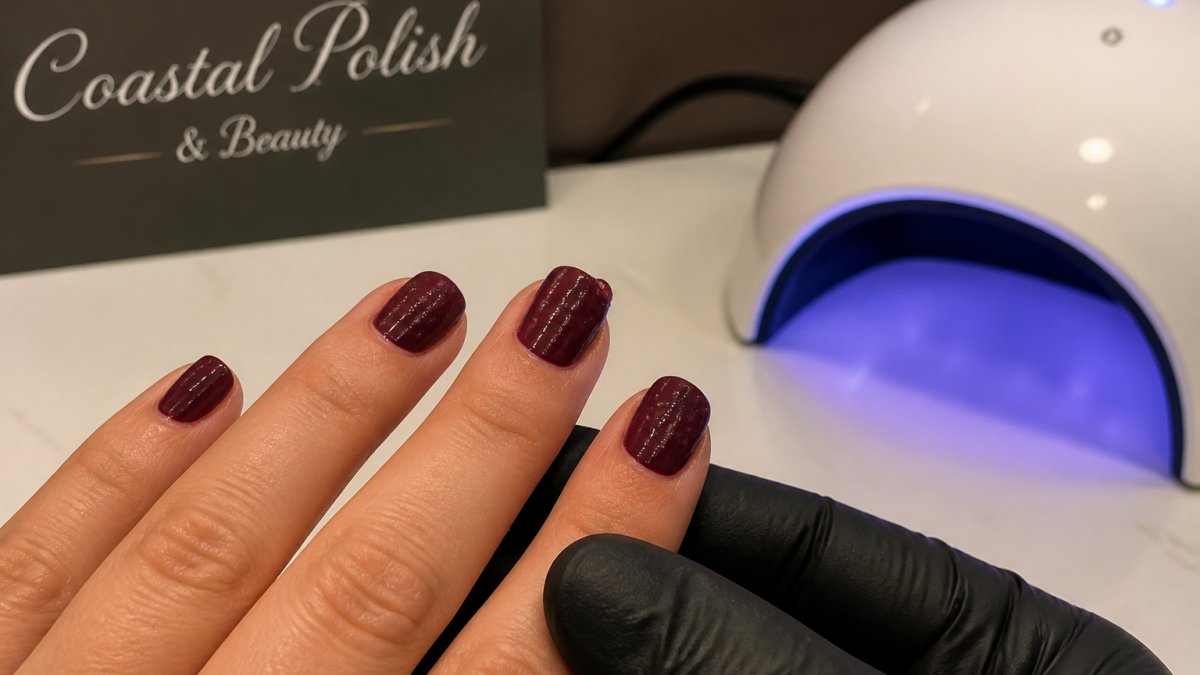
Over-cured gel polish happens when nails stay under a UV or LED curing lamp too long. The excessive heat damages the nail plate and surrounding skin.
Curing is a chemical reaction that hardens gel and generates heat. A normal session feels warm, not painful; over-curing pushes past that point, overheating the nail bed and inflaming surrounding skin.
How curing lamps work and when heat becomes a problem
UV and LED lamps both emit light that hardens gel polish. UV lamps typically cure in 8-10 minutes per coat; LED lamps take 30-60 seconds.
Heat spikes occur when curing accelerates too quickly: moisture inside the nail plate expands, creating pressure that can separate the nail from the bed or cause invisible micro-cracks.
A normal heat sensation feels warm and mild; over-curing burns or stings.
Visible Damage: Nail Splitting, Peeling, and Brittleness
Nail splitting and peeling are the most obvious signs of over-cured gel polish. These appear days or weeks after your manicure ends.
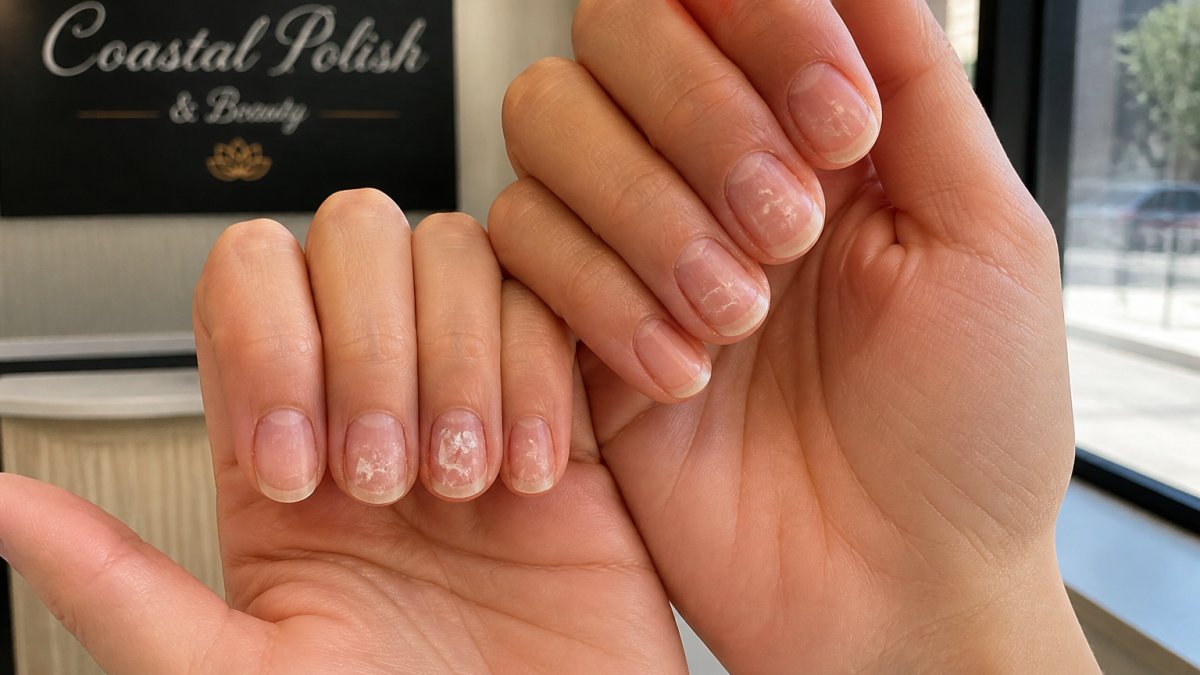
Brittle nails crack easily and break at the slightest pressure.
Peeling happens in layers: the nail plate separates horizontally, leaving thin sheets of keratin, and nails feel weak for weeks.
Both signal heat damage has weakened the nail structure.
Skin Reactions: Redness, Itching, and Swelling Around the Nail
Over-curing doesn't just damage nails, the heat affects surrounding skin too.
The skin around your nails is sensitive, with fewer protective barriers than the rest of your hand.
Itching is your skin's response to inflammation. Resist scratching, it breaks the skin barrier and risks infection.
Some people develop blisters or hives after over-curing, indicating a stronger reaction.
Gel allergy can worsen skin reactions, since heat plus gel chemicals irritates sensitive skin more severely.
Understanding Under-Cured Gel Polish Signs
Under-cured gel polish is the opposite problem: the gel doesn't harden fully, causing different damage patterns than over-curing.
Under-cured nails lift prematurely: the gel separates at the edges, trapping moisture and inviting fungal or bacterial growth.
The problem here isn't heat damage but incomplete polymerization, the gel molecules don't fully bond.
Your technician should test the gel's hardness before finishing.
Gel Polish Curing Time: Finding the Right Balance
Gel brand matters most. Each brand has specific curing requirements, some cure in 30 seconds under LED, others need 60.
Lamp type affects curing time too.
Gel thickness impacts curing time as well: thin applications cure faster, and builder gel needs longer than regular polish.
Nail color matters too: dark colors absorb more light and cure faster, while light or clear gels need longer.
The Gel Nail Heat Spike: Normal Sensation vs. Over-Curing
Most articles lump every curing sensation into one bucket, which is why so many readers misdiagnose their own nails. A normal heat spike, over-curing, and under-curing produce different symptoms, timelines, and fixes. Use the comparison below before changing your routine.
The normal heat spike
A heat spike is the brief, warm-to-hot sensation in the first 5-20 seconds of curing. Photoinitiators in the gel react to the lamp's light and release energy as heat; the thicker the gel layer, the more heat released at once. That is why builder gel and thick apexes spike harder than a thin color coat.
A normal spike:
- Peaks within the first 10-20 seconds and fades on its own
- Feels warm, tingly, or briefly hot, not burning
- Stops as soon as the hand leaves the lamp
- Leaves no redness, soreness, or tenderness afterward
- Happens on every finger, not just one
If that describes what you felt, nothing is wrong. The gel is curing correctly. You can finish the service.
Over-curing
Over-curing is not just "too much time under the lamp." It is sustained heat exposure that pushes the nail bed past what it can tolerate. The gel keeps generating heat, the nail plate keeps absorbing it, and moisture and protein inside expand under pressure, that pressure causes the micro-damage.
Signs that point to over-curing rather than a normal spike:
- Burning or stinging that starts within 10-15 seconds and keeps building
- Pain that does not stop when the hand leaves the lamp
- Tenderness, throbbing, or a hot feeling in the nail bed for hours afterward
- Redness or swelling in the skin around the nail within 24 hours
- Nails that feel sore when you press on them the next day
One tell that separates over-curing from a normal spike: a normal spike is over when the lamp is over. Over-curing symptoms outlast the lamp.
Under-curing
Under-curing is the opposite failure and looks nothing like over-curing. The gel never fully polymerizes, so it stays soft, tacky, or gummy instead of hard and glossy.
Schedule and Appointment today for 10% Off your service →
Signs that point to under-curing:
- The polish feels sticky or tacky after the service
- The finish looks dull instead of glossy
- The gel peels or chips within 1-3 days
- The polish lifts at the edges or comes off in chunks
- The surface dents when you press it with a fingernail
Under-curing is not a heat problem but an incomplete-reaction problem, usually caused by a lamp that doesn't match the gel, a cure time that's too short, or a coat too thick for the lamp to penetrate.
Quick diagnostic
| What you feel or see | Most likely cause |
|---|---|
| Brief warmth in the first 10-20 seconds, gone when the hand leaves the lamp | Normal heat spike |
| Burning that builds, pain that lingers, redness or swelling after | Over-curing |
| Sticky, dull, or soft polish; early lifting or chipping | Under-curing |
If you are not sure which one you have, the timeline is the tiebreaker. Symptoms that appear during the cure and vanish with it are normal. Symptoms that persist after the cure point to over-curing. Symptoms that show up as a soft or peeling manicure point to under-curing.
A heat spike is a moment. Over-curing is a lasting reaction. Under-curing is a soft, failing manicure. Match the symptom to the timeline before you decide what to do next.
How to Remove Gel Polish Safely After Damage
If you suspect over-curing, the first hour matters more than the removal method. Stop the exposure, calm the tissue, and only then think about taking the gel off. Rushing straight to acetone on a still-hot, inflamed nail bed makes the reaction worse.
Step 1: Stop the exposure immediately
If your nails are burning during the service, tell your technician to pull your hand out of the lamp. Do not finish the cure "to be polite." Every additional second adds heat to tissue that is already reacting.
Once the service is over, do not book another gel appointment until your nails and skin have fully settled. Repeated exposure to the same gel and lamp is how a one-time reaction turns into a sensitization.
Step 2: Calm the tissue before you remove anything
For the first 24-48 hours after a suspected over-curing reaction:
- Apply a cool, damp cloth to the nail and surrounding skin for 10 minutes at a time
- Keep hands out of hot water, hot dishes, and direct sun
- Do not scratch, rub, or massage the area
- Do not pick, peel, or file the gel
- Skip cuticle oil on broken or blistered skin, it can trap bacteria
If the skin is intact and just red or tender, a fragrance-free moisturizer is fine. If the skin is broken, blistered, or weeping, keep it clean and covered and treat it as a wound, not a manicure problem.
Step 3: Remove the gel gently, or wait
If the nail and skin are calm, an acetone soak is still the safest removal method. Never peel gel off with your fingers or scrape it with a metal tool.
The standard soak:
- Saturate a cotton pad with pure acetone
- Place it on the nail and wrap the fingertip in foil
- Let it sit 10-15 minutes without peeking
- Slide the softened gel off with an orange stick or a rubber cuticle pusher
- Repeat the soak if any gel resists, do not force it
If the nail is painful, swollen, or has any open skin, skip the acetone and see a professional. A dermatologist or physician can assess whether the reaction is a heat injury, contact dermatitis, or the start of an infection, each is treated differently.
Step 4: Give the nail a real recovery window
After removal, plan on at least two weeks without gel polish. The nail plate does not heal like skin, it grows out, and visible damage takes months, not days, to grow off. In the meantime, protect the new growth:
- Keep nails short and filed in one direction to reduce splitting
- Use a fragrance-free moisturizer and, once skin is intact, a cuticle oil daily
- Wear gloves for dishes, cleaning, and any prolonged water exposure
- Avoid filing the surface of the nail to "smooth" damage, that thins it further
- Do not apply gel, acrylic, or dip over a nail that is still tender or peeling
Red flags: when to see a medical professional
Most over-curing reactions settle on their own within a few days. Some do not. Seek medical care if you notice any of the following:
- Spreading redness, warmth, or swelling beyond the nail
- Pus, discharge, or a foul odor
- A dark streak or discoloration spreading from the nail
- Fever, chills, or feeling generally unwell
- Severe pain that gets worse instead of better
- Blisters that do not heal, or skin that peels away from the nail
A nail infection can move quickly, and the tissue around the nail has limited room to swell. Do not wait a week to see if it improves on its own.
Never use metal tools to scrape gel polish off your nails, and never peel gel off after a suspected over-curing reaction. Both remove nail layers you cannot get back. If the nail is painful, swollen, or has open skin, see a medical professional before attempting removal at home.
Prevention: Protecting Your Nails at the Salon
Prevention is easier than recovery.
Ask about curing times before your appointment.
Request a test curing on one nail first.
Communicate your concerns.
Check the salon's equipment.
Hydrate your nails before and after your appointment.
Take breaks between gel manicures. Your nails need recovery time.
At Coastal Polish & Beauty, we prioritize nail health.
Protecting your nails from over-curing damage requires awareness and communication.
Frequently Asked Questions
What happens if you overcure gel nails?
Over-curing gel polish exposes your nails to excessive heat and UV or LED light, which can weaken the nail plate and damage the skin underneath. This leads to brittle nails, peeling, splitting, nail lifting from the nail bed, and skin irritation like redness and swelling. In some cases, repeated over-curing can cause long-term thinning of the nail plate that takes months to grow out.
How can you tell if gel polish is not fully cured?
Under-cured gel polish feels tacky or sticky to the touch and may smudge or dent when pressure is applied. The finish lacks the hard, glossy appearance of properly cured gel. Uncured gel can also lift or peel prematurely from the nail bed within days. If you notice these signs, ask your technician to cure the nails longer under the lamp.
Why do gel nails feel hot or burn under the lamp?
A mild heat sensation during curing is normal as the gel hardens and releases heat. However, intense burning or pain signals over-curing or a lamp that is too strong for the product being used. If the heat becomes unbearable, tell your technician to stop immediately. Repeated painful heat spikes can damage the nail bed and surrounding skin, so it's important to speak up during your appointment.
How long should gel polish cure under a lamp?
Standard curing times range from 30 to 60 seconds per coat under LED lamps and 2 to 3 minutes under UV lamps, depending on the product and lamp specifications. Over-curing happens when nails stay under the lamp significantly longer than the manufacturer recommends. Always ask your technician about the specific cure time for the products they use, and confirm that the lamp and gel polish are compatible.