 How-to
Scalp Specialist for Itchy Scalp Treatment: When to See One
Last Updated: November 17, 2026
Quick Summary
A scalp specialist is a board-certified dermatologist or supervised provider who examines your scalp to find the cause of persistent itching instead of masking it with shampoo. See one promptly for sores, spreading hair loss, severe pain, or itching that disrupts sleep or resists treatment.
- If two over-the-counter products used on schedule for weeks each bring no change, get an evaluation.
- A medicated shampoo often needs a few weeks of consistent use before you can judge it.
- Rotating to a different active ingredient often restores response when one stops working.
- Track symptom severity on a 1-to-10 scale and photograph flares before your appointment.
- Stop new treatments a few days before the visit so the clinician sees your baseline.
Table of Contents
- When an Itchy Scalp Needs a Specialist
- Common Itchy Scalp Causes and How to Tell Them Apart
- Red Flags That Warrant Professional Care
- What a Dermatologist for Itchy Scalp Will Evaluate
- Dandruff and Itchy Scalp Treatment Options
- Seborrheic Dermatitis Treatment and Long-Term Control
- How to Choose a Scalp Specialist and Prepare for Your Visit
- Book a Head Spa Consultation for Scalp Relief
- Frequently Asked Questions
When an Itchy Scalp Needs a Specialist
An occasional itch is normal. An itch that keeps you up at night, leaves flakes on your collar, or comes with redness and sore spots is your scalp asking for help. A scalp specialist for itchy scalp treatment is the person who finds out why, rather than just masking the symptom with another bottle of shampoo.
Booking a relaxing treatment can feel soothing, but lasting relief usually starts with understanding what is causing the irritation. The American Academy of Dermatology puts it simply: persistent scalp itching with flaking or inflammation deserves a proper look, not guesswork.
Below, we'll walk you through the common causes, the warning signs that mean "see someone now," and exactly what happens at an evaluation, so you can stop guessing and start getting relief.
Common Itchy Scalp Causes and How to Tell Them Apart
Most itchy scalp causes fall into a handful of categories, and each one behaves a little differently. Telling them apart is the first real step toward the right treatment.
- Dandruff: fine white flakes, mild itching, worse in winter or after stressful weeks.
- Seborrheic dermatitis: greasy yellowish flakes, redness along the hairline, itching that flares and calms in cycles.
- Fungal infection: persistent itching with scaly patches, sometimes hair breakage in the affected area.
- Contact irritation: itching and burning after a new shampoo, dye, or styling product.
- Product buildup: dull, itchy scalp from heavy oils or dry shampoo used too often.
A common mistake is treating all five the same way. An antifungal shampoo will not fix a reaction to a new dye, and a gentle clarifying wash will not clear a fungal infection. If you have tried two different over-the-counter products for a few weeks with no change, that is your signal to get a professional opinion.
Red Flags That Warrant Professional Care
Some symptoms should not wait. See a board-certified dermatologist or scalp specialist promptly if you notice any of the following:
- Sores, scabs, or pus-filled bumps on the scalp
- Hair loss that is spreading or comes in patches
- Severe pain, burning, or tenderness to the touch
- A rash that spreads to the face, ears, or neck
- Itching that disrupts sleep or does not respond to any shampoo
- Signs of infection such as warmth, swelling, or oozing
Watch out: scratching an inflamed scalp can break the skin and open the door to a secondary bacterial infection, which turns a manageable skin condition into a longer treatment course. If the itch is severe enough that you are scratching in your sleep, that alone is reason to book an evaluation.
What a Dermatologist for Itchy Scalp Will Evaluate
A dermatologist for itchy scalp concerns starts with a focused scalp examination, not a general checkup. The visit usually takes a structured path.
First, they ask about your history: when the itching started, what products you use, whether it flares with stress or seasons, and any family history of skin conditions. Next comes a close look at the scalp itself, often with a handheld magnifying tool, checking for flaking patterns, redness, scaling, and hair density.
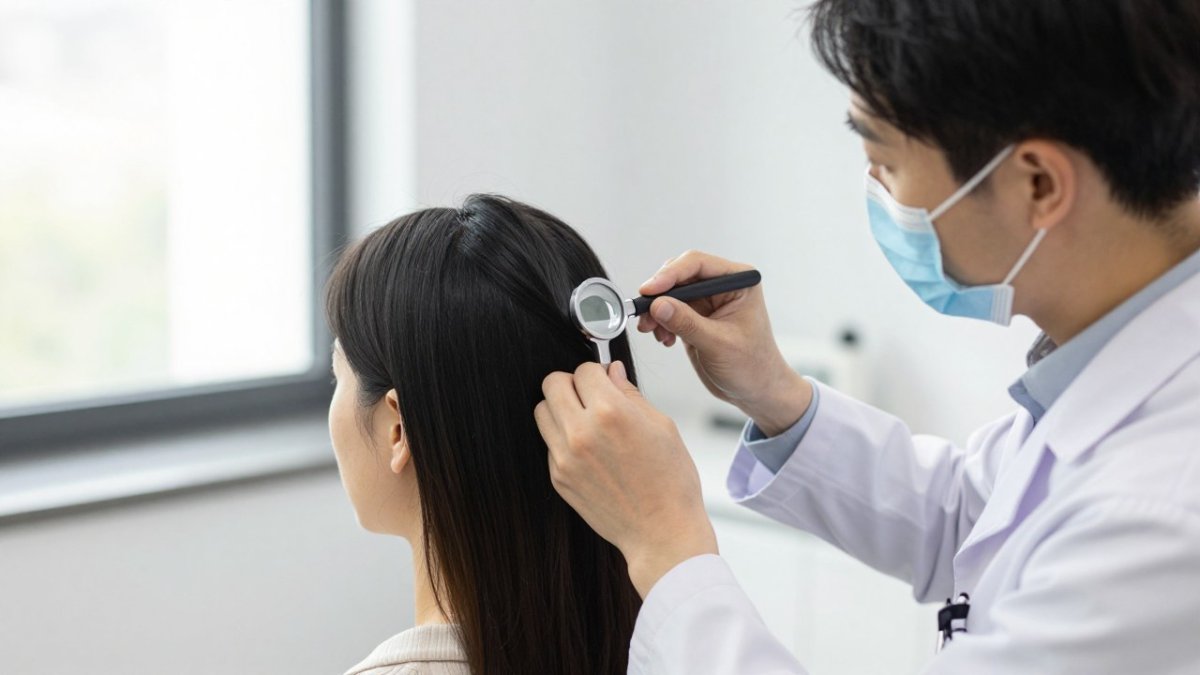
If the cause is not clear from the exam, they may take a small scraping to check for a fungal infection under a microscope.
Dandruff and Itchy Scalp Treatment Options
Dandruff and itchy scalp treatment usually starts simple and escalates only if needed. What most guides skip is how each option works and how long it should take to work, which is exactly what tells you whether to keep going or change course.
| Treatment Type | Best For | How It Works | Typical Approach |
|---|---|---|---|
| Over-the-counter antidandruff shampoo | Mild flaking, occasional itch | Active ingredients slow yeast growth or loosen scale | Use a few times weekly; rotate active ingredients if one stops working |
| Medicated shampoo | Persistent flaking, known fungal cause | Prescription-strength antifungals or keratolytics | Follow the clinician's schedule, including a maintenance phase |
| Topical antifungal treatment | Confirmed fungal infection | Targets the organism directly | A set course, often several weeks, set by a clinician |
| Prescription topical steroids | Redness and inflammation | Calms the inflammatory response | Short course to settle a flare, then taper |
| Professional scalp treatment | Buildup, sensitivity, stress-related tension | Gentle cleansing and manual care | In-salon session alongside, not instead of, medical care |
The over-the-counter aisle is where most people start, and the active ingredient matters more than the brand. Zinc pyrithione and selenium sulfide slow the growth of the yeast that drives dandruff and seborrheic dermatitis. Salicylic acid loosens scale so it lifts away. Coal tar slows skin-cell turnover. Ketoconazole, available over the counter in some strengths and by prescription in others, is a direct antifungal. A common pattern is that one ingredient works for a while and then seems to quit; rotating to a different active ingredient often restores response.
Timelines are where expectations go wrong. A medicated shampoo often needs a few weeks of consistent use before you can judge it, and flaking may improve before itching fully settles. If two different over-the-counter products used on schedule for several weeks each produce no change, that is the signal to stop guessing and get an evaluation rather than buying a third bottle.
Consistency matters more than strength. A gentle medicated shampoo used on schedule beats a harsh one used sporadically, and over-washing with strong formulas can irritate the scalp and make itching worse. If you want to know whether a professional treatment fits alongside your routine, our guide on whether head spa treatments help with dandruff explains what to expect.
Seborrheic Dermatitis Treatment and Long-Term Control
Seborrheic dermatitis treatment is less about a cure and more about steady control. This inflammatory condition tends to flare and settle in cycles, so the goal is managing triggers and keeping the scalp calm between episodes.
Long-term control usually combines a medicated wash used on a maintenance schedule, avoiding heavy styling products that trap oil, and managing stress and cold-weather dry spells that tend to set off flares.
If you already use a medicated shampoo, you may wonder how professional treatments fit in. Our article on head spa after using medicated shampoo covers how to time a salon visit so it supports, rather than disrupts, your treatment routine.
How to Choose a Scalp Specialist and Prepare for Your Visit
Choosing well comes down to credentials and fit, and preparing well is what makes the visit worth the copay. Most guides stop at "book a dermatologist." The steps below are the ones that actually change what you get out of the appointment.
Choosing the right provider
- Confirm the provider is a board-certified dermatologist or works under one; a physician assistant or nurse practitioner supervised by a dermatologist can be a good fit for routine scalp care.
- Ask whether they perform a scalp examination and, if needed, a scraping or fungal culture in the office.
- Check that they offer a written treatment plan and a follow-up visit rather than a one-off prescription.
- Read reviews specifically for how they handle persistent, stubborn cases, not just routine visits.
- Ask what to bring and how long the visit is scheduled for; a focused scalp exam may need more time than a standard slot.
Preparing before the appointment
A little prep turns a vague complaint into a diagnosis-ready history. In the week or two before your visit:
- Track symptoms. Note when the itching is worst (time of day, after washing, after sweating), how severe it is on a simple 1-to-10 scale, and whether flaking, redness, or bumps come and go.
- Photograph flares. Take dated photos of the scalp when it is at its worst, since it may look calmer on appointment day.
- List every product. Shampoos, conditioners, dyes, dry shampoos, oils, and styling products, including how long you have used each and whether symptoms started or worsened after a new one.
- Note your routine. Washing frequency, heat tools, tight hairstyles, and recent travel or new bedding can all be relevant.
- Bring the bottles. The actual product containers let the clinician read the ingredient list rather than rely on memory.
- List medications and supplements, including anything topical you have tried and for how long.
- Write your questions down. Ask what the likely diagnosis is, what the treatment plan is, how long before you should expect improvement, and what to do if it does not.
What to do, and not do, right before the visit
Stop new treatments a few days before so the clinician sees your scalp's baseline. Wash as you normally would rather than over-cleansing to "look better" for the appointment, and do not apply medicated products on the morning of the visit unless told to. If you are using a prescription, ask the office whether to pause it before the exam.
Watch out: canceling or postponing because the scalp looks better on appointment day wastes the visit; the history and photos you bring are what let the clinician diagnose a condition that flares and settles.
For a deeper breakdown of what to look for, see our guide on what to look for in a scalp health specialist.
Book a Head Spa Consultation for Scalp Relief
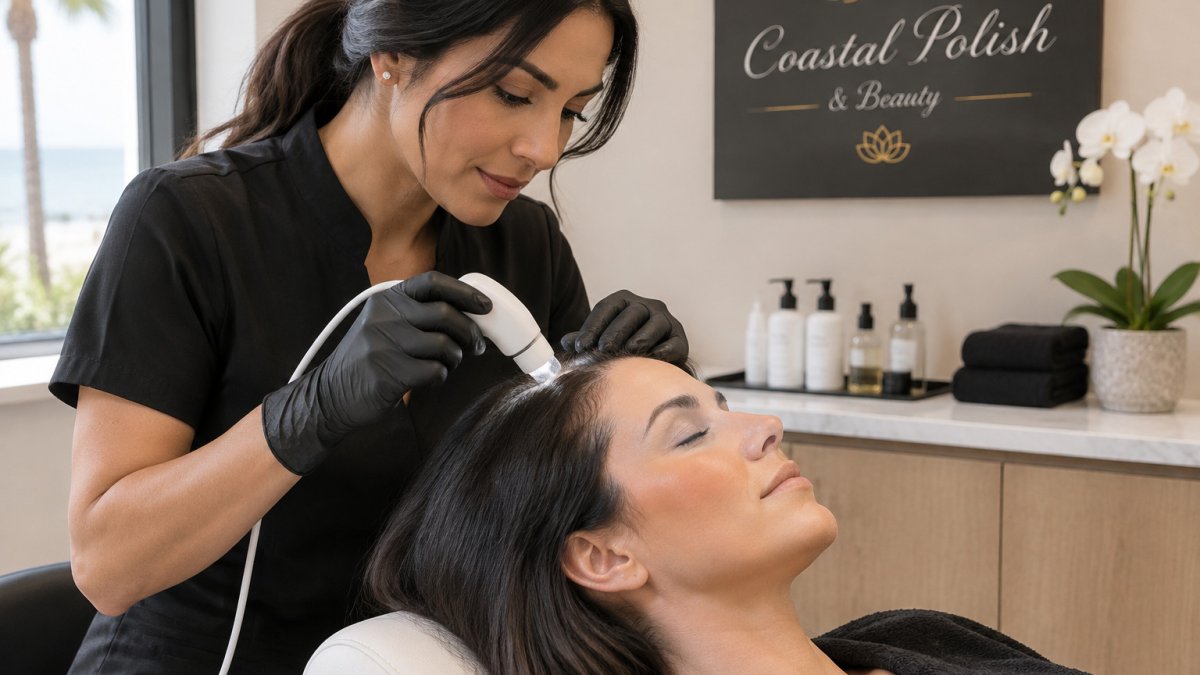
When your scalp feels irritated or you are simply looking to unwind, a Head Spa treatment can be a calm, relaxing break. Our Head Spa treatments are designed to help you feel refreshed in a clean, safe environment, a peaceful pause from a busy week.
If you are weighing whether a professional treatment fits your routine and budget, our article on whether a professional head spa is worth the cost walks through what to expect. When you are ready, you can book an appointment online and let our team help you find relief.
Your scalp does not have to stay itchy, flaky, or sore. Start with a proper look at what is causing it, then build a routine that keeps it calm. Coastal Polish & Beauty offers a newly renovated space inside the Birdhouse wellness collective, personalized care focused on your individual needs, and expert technicians who treat scalp health with the same attention as every other service. Get started with Coastal Polish & Beauty and give your scalp the calm, careful care it deserves.
Frequently Asked Questions
When should I see a dermatologist for an itchy scalp?
See a dermatologist if itching lasts more than two weeks despite over-the-counter medicated shampoo, or if you notice redness, flaking that spreads, pus-filled bumps, pain, or hair loss. A board-certified dermatologist can perform a scalp evaluation, identify the underlying cause, and build a treatment plan. Persistent symptoms rarely resolve on their own and early care prevents complications like scarring or chronic inflammation.
What are the most common itchy scalp causes?
The most frequent causes are dandruff, seborrheic dermatitis, contact dermatitis from hair products, fungal infection, and psoriasis. Dry scalp from weather or harsh shampoos also contributes. Less common causes include autoimmune conditions and nutritional deficiencies. A scalp specialist can distinguish these through clinical assessment, sometimes with a skin scraping or biopsy, so you get the right treatment instead of guessing.
Can a trichologist diagnose or treat an itchy scalp?
Trichologists focus on hair and scalp health but are not medical doctors in most states, so they cannot prescribe medication or perform biopsies. For itching with redness, infection, or hair loss, a board-certified dermatologist is the safer first stop. A trichologist can complement care for hair disorders once a medical cause is ruled out. Insurance typically does not cover trichology services, so confirm costs before booking.
What should I do before my scalp specialist appointment?
Stop medicated shampoos and topical treatments for 3-5 days unless told otherwise, and bring a list of all hair products, dyes, and medications you use. Note when symptoms started, what makes itching worse, and any flaking, bumps, or hair shedding. Avoid washing hair the morning of the visit so the specialist can see the scalp's natural state. Photos of flare-ups between appointments also help.