 How-to
Natural Remedies for Dry Cuticles and Hangnails That Work
Last Updated: November 7, 2026
Quick Summary
Natural remedies for dry cuticles work mainly by sealing in moisture. Soak hands briefly in warm water, pat them slightly damp, then massage in an oil such as olive or argan and seal it with a thick cream. Wearing cotton gloves overnight helps the treatment soak in.
- Moisturize after every wash while skin is still slightly damp to lock in water.
- Soak hands in warm, not hot, water for 3 to 5 minutes to soften skin.
- Wear cotton-lined gloves for chores to keep cleaning products off your skin.
- Trim only loose, dead skin and never cut cuticles too close.
- See a doctor if dryness lasts more than three weeks or signs of infection appear.
Table of Contents
- What Causes Dry Cuticles and Hangnails
- How to Stop Dry Cuticles Before They Start
- Natural Ingredients That Soften and Hydrate Cuticles
- Step-by-Step Routine for Dry Cuticles at Home
- Treating Peeling Cuticles and Hangnails Safely
- Could a Vitamin Deficiency Be Behind Your Dry Cuticles
- When Dry Cuticles Need a Doctor or Professional Care
- Frequently Asked Questions
What Causes Dry Cuticles and Hangnails
Dry cuticles usually come from moisture loss. The skin around your nails has no oil glands of its own, so it dries out fast when it is exposed to water, cold air, or harsh cleaners. Hangnails form when that dry skin cracks and tears away from the nail fold.
The most common causes include:
- Frequent handwashing and hand sanitizer use
- Cold, dry weather and indoor heating
- Dish soap, detergents, and other cleaning products
- Biting or picking at the nails and skin
- Acetone-based nail polish removers
- Repeated soaking in water, such as long baths or dishwashing
Everyday Habits That Dry Out the Skin Around Your Nails
Small daily habits add up. Many people never connect their dry cuticles to the way they wash, clean, or handle their hands.
Watch for these habits:
- Washing your hands many times a day without applying lotion afterward
- Wearing rubber gloves for cleaning without a cotton liner
- Pushing back cuticles hard with metal tools
- Keeping your hands in hot water for long stretches
Changing one or two of these habits often makes a noticeable difference within a few weeks.
How to Stop Dry Cuticles Before They Start
Prevention is easier than repair.
Wear cotton-lined gloves for chores. Cotton absorbs sweat and keeps cleaning products off your skin.
Protect your hands in cold weather. Wear gloves outdoors and use a humidifier indoors if your home runs dry.
Keep your cuticles alone. Avoid cutting or pushing them back aggressively.
Watch out: Cutting cuticles too close can open the skin and invite infection.
Natural Ingredients That Soften and Hydrate Cuticles
Most natural cuticle ingredients work the same way: they either pull water into the skin (humectants) or coat it to slow water loss (emollients and occlusives). Knowing which job each one does helps you pick the right product.
- Olive oil: A rich emollient that softens skin and slows moisture loss. Good for a pre-bed treatment.
- Coconut oil: Melts at skin temperature and forms a light protective layer; useful but can feel greasy.
- Shea butter: A thick emollient that smooths rough, cracked areas and works well in overnight treatments.
- Argan oil: Light and fast-absorbing, good for daytime reapplication.
- Avocado oil: Contains fatty acids that soothe dry, flaky skin.
- Jojoba oil: Closely resembles the skin's own oils and absorbs well without a heavy residue.
- Glycerin: A humectant that draws water into the skin; best used in a formula with an occlusive, since alone it can dry skin in low humidity.
- Petrolatum: Not a botanical, but the most effective occlusive for sealing in moisture over a healing hangnail.
- Vitamin E: Often added to cuticle products as an antioxidant; its moisturizing role is modest on its own.
What the Evidence Shows and Where It Falls Short
The evidence for these ingredients is mostly general skin-care research, not studies run specifically on cuticles. What is well established is the mechanism: occlusives like petrolatum reduce water loss, and humectants like glycerin attract water. What is not established is that any single botanical oil repairs deep cracks faster than a plain thick moisturizer.
Supplements are a separate question. A clinician can check for a deficiency with a blood test before you spend money on supplements.
Ingredient Sensitivities and Patch Testing
Essential oils and fragranced botanicals are a common source of contact irritation and allergy around the nails, where skin is thin. Before applying any new oil or cream to all ten fingers:
- Apply a small amount to the inner forearm.
- Leave it uncovered for 24 to 48 hours.
- Stop if you see redness, itching, burning, or swelling.
Choose fragrance-free products if you have sensitive skin, eczema, or a history of reactions. Citrus oils and cinnamon-derived ingredients are frequent culprits and are best avoided near broken skin.
Watch out: A reaction can appear hours after application, so do not assume an ingredient is safe because the first few minutes felt fine.
Matching the Ingredient to the Cause
The best ingredient depends on why your cuticles are dry. If frequent handwashing is the trigger, a humectant-plus-occlusive cream reapplied after every wash helps most. If cold weather and indoor heating are the cause, a thicker occlusive at night and a humidifier indoors do more than a light oil. If acetone removers are the problem, switch to gentler removers and moisturize immediately after. Matching the product to the trigger is more effective than layering every oil on the list.
Step-by-Step Routine for Dry Cuticles at Home
Follow this simple routine for two to three weeks and track how your skin changes. For a specific cuticle oil to use as part of this regimen, read Best Cuticle Oil for Long Lasting Manicures.
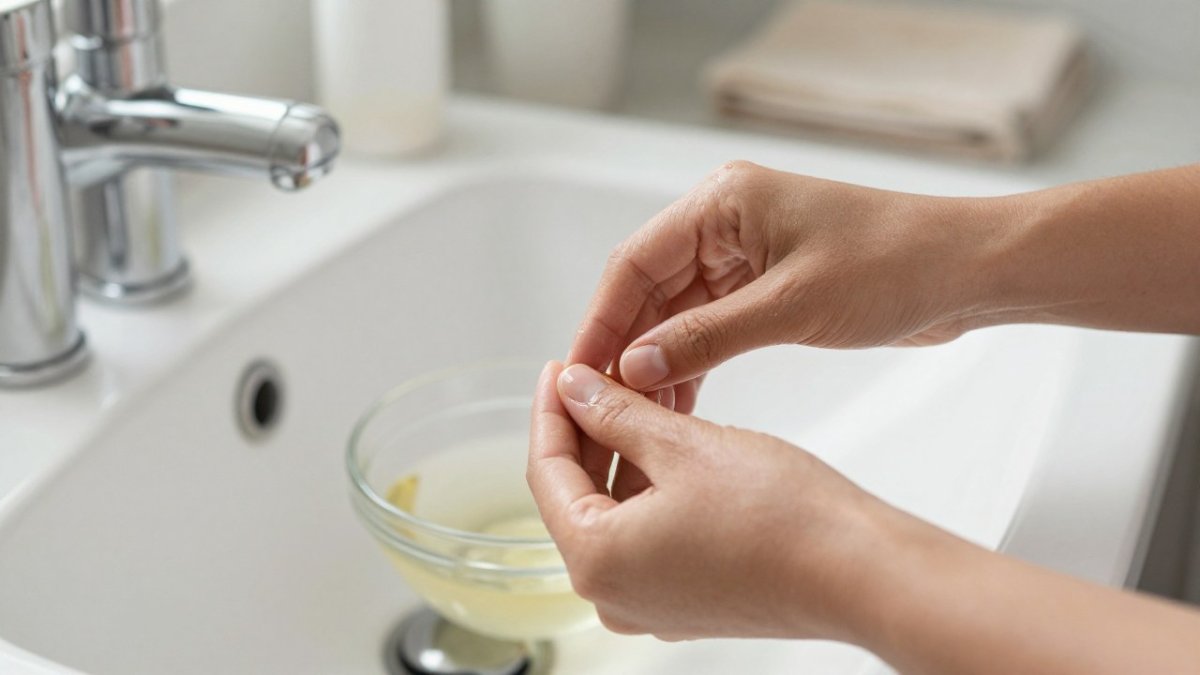
- Soak your hands briefly. Spend 3 to 5 minutes in warm (not hot) water to soften the skin.
- Pat dry gently. Use a soft towel and leave the skin slightly damp.
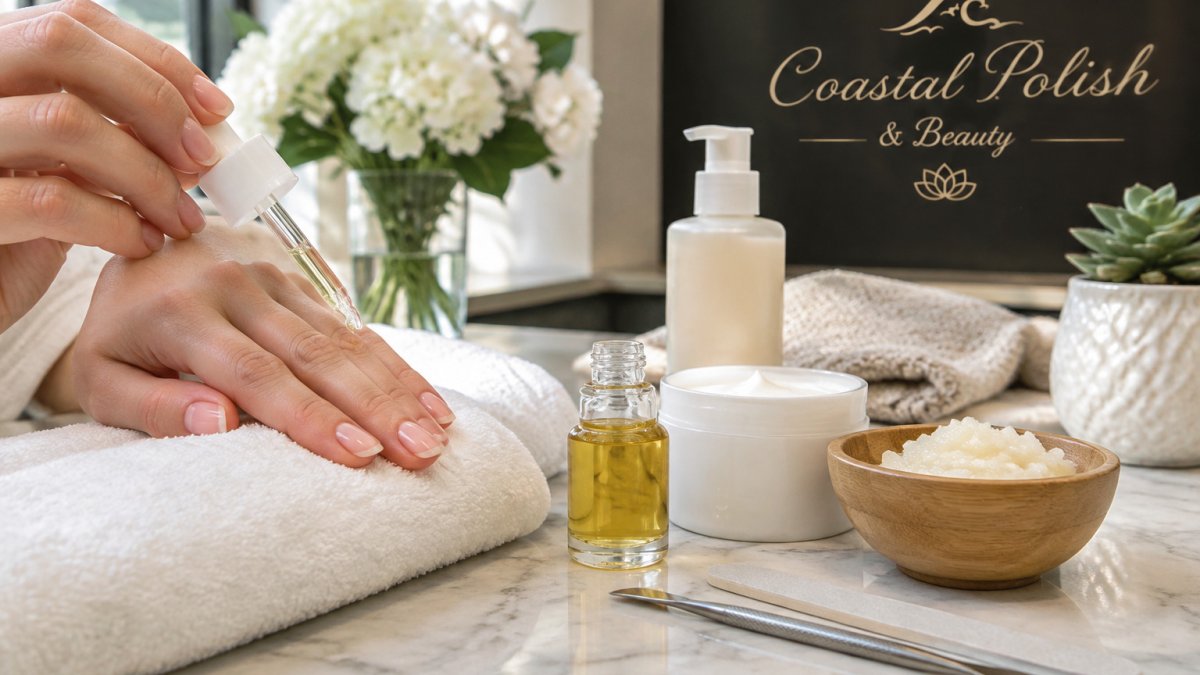
- Apply a few drops of oil. Massage olive, argan, or a cuticle oil into each nail fold.
- Push back softly. Use a soft towel or a cuticle stick to press back loose skin. Do not force it.
- Trim only loose skin. Use clean, sharp clippers for dead skin only.
- Seal the moisture. Apply a thick cream or ointment over the oil.
- Wear cotton gloves overnight. This helps the treatment soak in while you sleep.
Frequency: Repeat daily for the first week, then 3 to 4 times a week as your skin improves.
Expected timeline: Many people notice softer cuticles within 3 to 5 days, with healthier skin over 2 to 3 weeks.
The routine below lays out each step, its timing, and how often to repeat it.
| Step | What to do | Time or frequency |
|---|---|---|
| Soak | Warm (not hot) water to soften skin | 3 to 5 minutes |
| Pat dry | Soft towel, leave skin slightly damp | Immediately after soaking |
| Oil | Olive, argan, or cuticle oil into nail folds | A few drops per hand |
| Push back | Soft towel or cuticle stick, no forcing | Gently |
| Trim | Clean, sharp clippers, dead skin only | Only when loose |
| Seal | Thick cream or ointment over the oil | After oiling |
| Overnight | Cotton gloves to help treatment soak in | Overnight |
Treating Peeling Cuticles and Hangnails Safely
A hangnail is a small tear in the skin beside the nail, and peeling cuticles are usually the same moisture-loss problem showing up as flaking edges. Handle both with a short, repeatable sequence rather than picking at them.
A Step-by-Step Hangnail Routine
- Soak briefly. Place the hand in warm (not hot) water for 3 to 5 minutes to soften the skin. Long soaks pull moisture out, so keep it short.
- Clean gently. Wash with a mild, fragrance-free soap and pat dry, leaving the skin slightly damp.
- Trim only the loose edge. Use clean, sharp cuticle nippers or small clippers. Cut straight across the loose tag, not down into live skin. If the tag is tiny and not catching, leave it and let it heal.
- Moisturize immediately. Massage a thick ointment or cuticle oil into the nail fold while the skin is damp.
- Seal and protect. Apply a thin layer of occlusive ointment such as petrolatum over the area, then cover with a bandage if it catches on clothing or you work with your hands.
- Repeat daily. Reapply ointment after every handwash until the edge has grown out and the skin no longer catches.
Watch out: Never bite, tear, or pull a hangnail, and do not dig around the nail with sharp tools. That turns a minor tear into an open wound and is the most common route to infection.
Managing Peeling Cuticles
For flaking, peeling skin around the nail, skip the trimming step unless there is a loose tag. Instead, soften with a brief soak, apply oil or ointment, and cover with cotton gloves overnight. Resist peeling the flakes by hand, which removes skin that is still attached and can start a new tear.
Signs of Infection and When to Get Medical Care
Most hangnails heal in a few days with basic care. Seek medical attention if you notice:
- Redness that spreads beyond the nail fold
- Warmth, swelling, or throbbing pain that worsens
- Pus or a fluid-filled pocket beside the nail
- A red streak moving up the finger
- Fever, or pain that keeps you awake
These can signal a bacterial infection of the nail fold (paronychia), which may need drainage or antibiotics. People with diabetes, poor circulation, or a weakened immune system should treat any hand wound as higher risk and call a clinician early rather than waiting.
What Not to Do
- Do not soak the area for long periods; prolonged water exposure worsens dryness.
- Do not apply alcohol, hydrogen peroxide, or harsh antiseptics to the torn skin, which can slow healing.
- Do not cover a wet wound; dry the skin first, then apply ointment and a bandage.
- Do not share clippers or nippers without cleaning them between users.
If a hangnail keeps returning in the same spot, look at your habits: repeated picking, nail biting, or aggressive manicure tools are usually the cause, and the prevention steps above matter more than any single treatment.
Could a Vitamin Deficiency Be Behind Your Dry Cuticles
Dry cuticles are often a skin issue, not a sign of a nutrient problem.
Vitamins that play a role in skin health include:
If your dryness persists despite good care, a doctor can help determine the cause rather than guessing.
When Dry Cuticles Need a Doctor or Professional Care
Most dry cuticles improve with home care. See a doctor or a professional if:
- The dryness lasts more than three weeks despite consistent care
- You notice signs of infection, such as swelling, pus, or spreading redness
- Cracks bleed repeatedly or do not heal
- You have diabetes or a condition that slows healing, and any wound on your hands or feet is slow to close
A licensed nail professional can also help. At Coastal Polish & Beauty in Newport Beach, you can book an appointment when you are ready. If you want to understand the benefits of professional nail care, read What Are the Benefits of Medical-Grade Nail Care? Our team can also point you toward the right next step for your nails, and our full range of nail and beauty services is available to explore.
Frequently Asked Questions
How do you treat extremely dry cuticles and hangnails?
Soak your fingers in warm water for five minutes, pat them dry, then massage a thick emollient such as petroleum jelly, shea butter, or an oil blend into the cuticles. Cover your hands with cotton gloves overnight for deeper hydration. Trim any loose hangnail with clean cuticle clippers rather than tearing it, and keep the area covered with a bandage if it is raw. Repeat daily for one to two weeks, and expect visible improvement within a few days of consistent care.
Can a vitamin deficiency cause dry cuticles?
Dryness is far more often caused by water exposure, cold weather, harsh detergents, and nail biting. If your cuticles stay dry despite good care, or you notice other symptoms, ask a doctor to evaluate the cause before adding supplements.
How do you stop cuticles from peeling?
Stop peeling by leaving loose skin alone and trimming it cleanly instead. Apply a barrier cream or cuticle oil several times a day, especially after washing your hands. Wear cotton-lined gloves for housework and rubber gloves for dishes. Avoid aggressive cuticle pushing and cutting, which removes the protective layer and invites further peeling. Most cuticles stop peeling within two to three weeks of consistent protection.
When should you see a doctor for a cracked cuticle?
See a doctor if the area becomes increasingly red, swollen, warm, painful, or develops pus, since these can signal an infection that may need antibiotics. Also seek care if you have diabetes or poor circulation and a cuticle wound is slow to heal, or if dryness and cracking persist for several weeks despite home treatment. Do not try to drain or dig out an infected hangnail yourself.