 how-to
Can Head Spa Treatments Help With Dandruff?
Table of Contents
- Can Head Spa Treatments Help With Dandruff? The Honest Answer
- What a Head Spa Actually Does for Your Scalp
- Can You Get a Head Spa With Dandruff? Safety and Timing
- Dry Scalp vs Dandruff: Why the Difference Changes Your Treatment
- Does Scalp Massage Help With Dandruff? What the Evidence Shows
- Dandruff Shampoo Ingredients That Do the Real Work
- How to Build an At-Home Plan Between Head Spa Visits
- When Dandruff Needs a Dermatologist, Not a Spa
- Conclusion: Getting the Most From Head Spa Dandruff Care
- Frequently Asked Questions
Last Updated: October 13, 2026
Can Head Spa Treatments Help With Dandruff? The Honest Answer
Yes, a head spa can help with dandruff, but only as part of a bigger plan. It removes buildup, loosens flakes, and calms irritation, but does not cure the cause.
Many people book a scalp treatment expecting a permanent fix, then feel let down when flakes return a week later.
Dandruff is a common scalp condition marked by flaking, itching, and shedding of dead skin cells.
Here is the short version:
- A head spa helps by deep cleansing, exfoliating, and hydrating the scalp.
- It gives real relief from itching and flaking, sometimes for days.
- It will not stop dandruff from coming back without the right shampoo and habits at home.
What a Head Spa Actually Does for Your Scalp
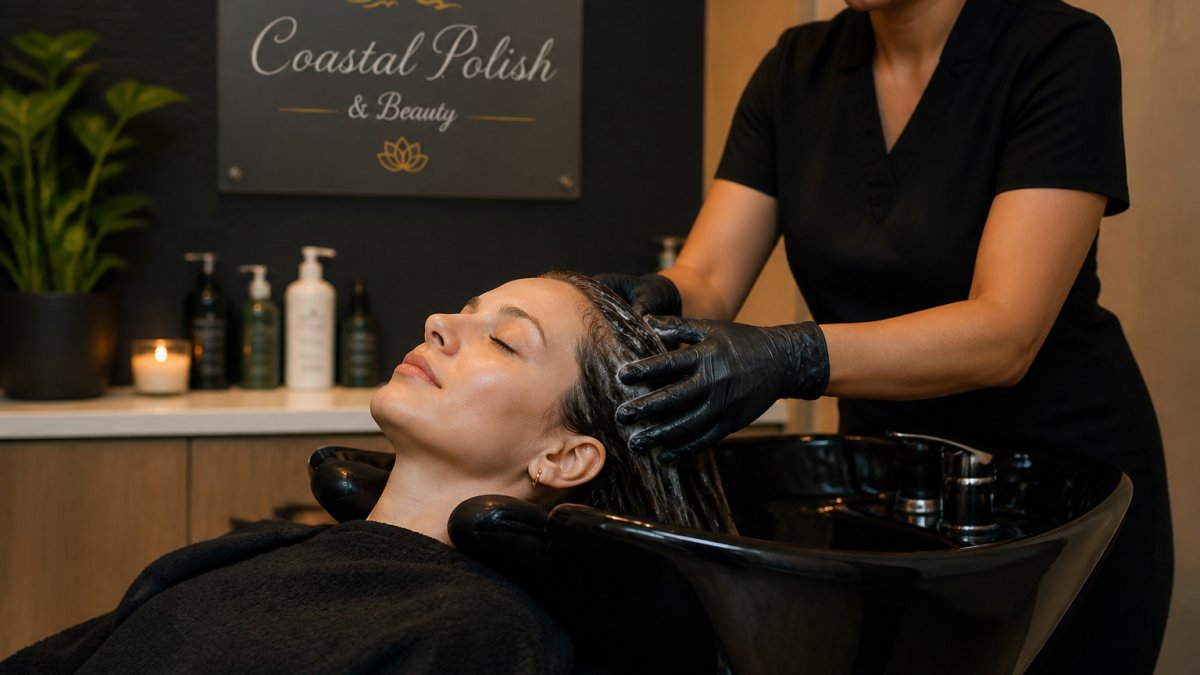
A head spa is a scalp-focused treatment combining deep cleansing, gentle exfoliation, and massage. Most sessions follow a similar flow.
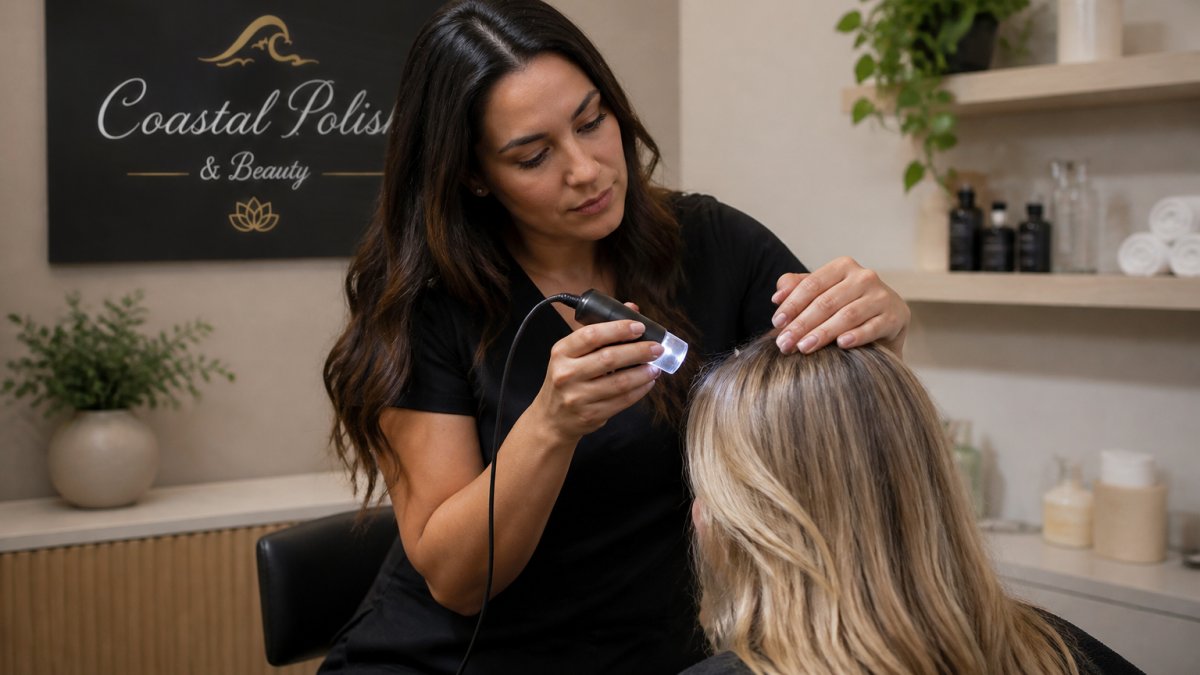
- A close look at your scalp and hair
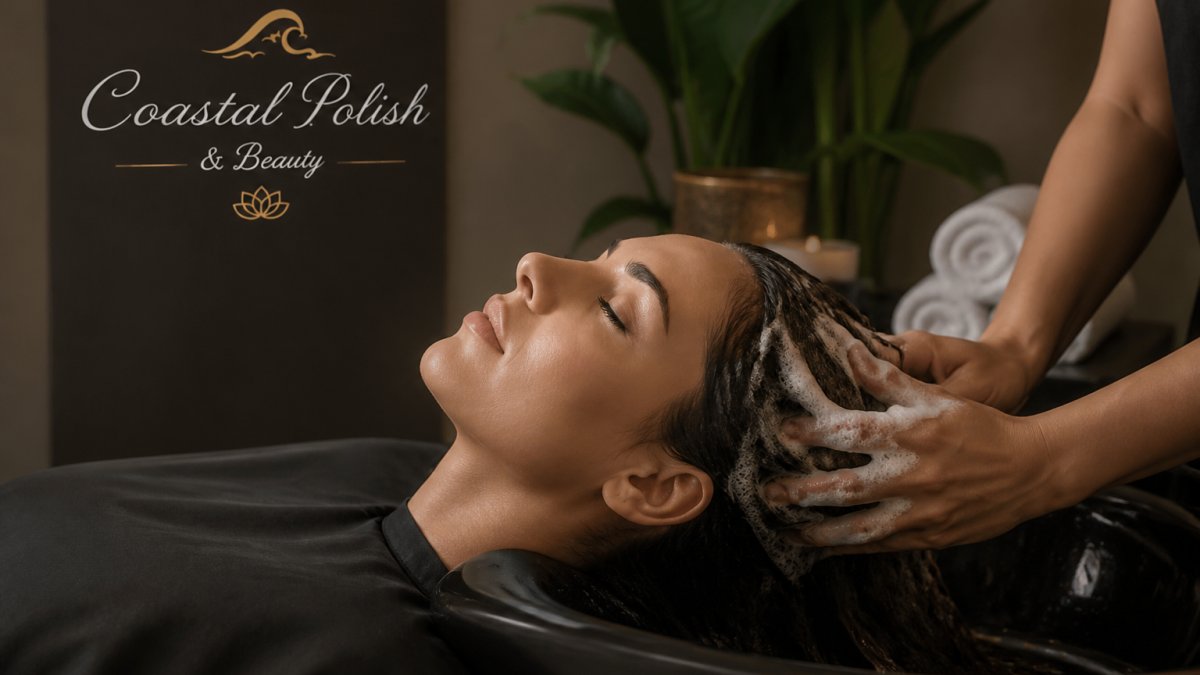
- Warm water and a gentle cleanse to remove product buildup and excess oil
- Exfoliation to loosen flakes and dead skin cells
The massage is memorable, but the cleansing steps matter for flakes. When oil, dead skin, and old styling products pile up, they trap flakes against the scalp and worsen itching.
A good session removes that layer, leaving fewer visible flakes, but it does not change the underlying condition that keeps producing them.
Can You Get a Head Spa With Dandruff? Safety and Timing
You can usually get a head spa with dandruff, and many people find it soothing.
Book when your scalp is calm. If it is raw, cracked, or oozing, wait, a treatment on broken skin can sting and slow healing.
Signs you should reschedule:
- Open sores or scabs on the scalp
- Severe redness or swelling
- Intense pain or burning
If any of these show up, see a doctor first. For everyday flaking and itching, a head spa is safe when the technician adjusts for it.
Ingredients and techniques that can backfire
Not every scalp treatment suits a flaking scalp. Some common add-ons feed the yeast linked to dandruff or irritate inflamed skin.
- Heavy oils and butters. Coconut oil, shea, and castor oil can trap flakes and feed the Malassezia yeast. If your flakes are yellow and greasy, ask to skip them.
- Essential oils and fragrances. Tea tree, peppermint, eucalyptus, and synthetic fragrance can trigger contact dermatitis. Patch-test first, or ask for fragrance-free.
- Physical scrubs with coarse particles. Salt and sugar scrubs can micro-abrade inflamed skin. A soft silicone brush or salicylic acid is gentler.
What to tell your technician before you start
A two-minute conversation changes the session. Say:
- "I have dandruff, not just dry scalp." This tells them to avoid heavy oils.
- "My scalp is sensitive right now." This tells them to skip scrubs and strong fragrance.
- "Please use lukewarm water." This protects your moisture barrier.
An irritated scalp does not need aggressive exfoliation, just a gentle cleanse, a calm massage, and a finish that does not undo the work.
When to see a doctor instead
Some scalp symptoms are not a spa problem. Get a clinical opinion before booking if you have:
- Thick, silvery, or sharply bordered scales
- Red, raised patches that extend past the hairline
- Severe itching that disrupts sleep
These can point to seborrheic dermatitis, psoriasis, or a fungal infection. Each needs different treatment, and a spa cannot diagnose or cure any of them. A head spa can support a healthy scalp once the condition is under control.
Dry Scalp vs Dandruff: Why the Difference Changes Your Treatment
Dry scalp and dandruff look alike but need different care. Mixing them up is a common mistake.
Dry scalp happens when your skin loses moisture. The flakes are small, white, and dry.
Dandruff comes from excess oil and a yeast that lives on the scalp.
Here is how they compare:
| Feature | Dry Scalp | Dandruff |
|---|---|---|
| Flake look | Small, white, dry | Larger, yellowish, oily |
| Scalp feel | Tight, dry | Oily, sometimes itchy |
| Main cause | Lack of moisture | Oil plus yeast overgrowth |
| Best approach | Hydrate and soothe | Manage oil and treat the yeast |
| Head spa role | Helps a lot | Helps, but needs medicated shampoo |
The fix is different: dry scalp responds to hydration and gentle cleansing, while dandruff needs active ingredients that target the yeast.
Does Scalp Massage Help With Dandruff? What the Evidence Shows
Scalp massage helps with dandruff mainly by improving circulation and easing stress. It does not kill the yeast that causes flakes, but it supports a healthier scalp.
Here is what a good massage can do:
- Boost blood flow to hair follicles
- Loosen flakes and buildup so they rinse away
- Calm irritation and reduce itching
Stress and scalp symptoms rise together: when you are tense you scratch more, and scratching worsens flaking. A relaxing massage can break that cycle.
Schedule and Appointment today for 10% Off your service →
Does scalp massage help with dandruff on its own? No. It is a support tool, not a treatment.
Dandruff Shampoo Ingredients That Do the Real Work
The real work happens in your shower, not the spa chair. The right dandruff shampoo ingredients keep flakes away between visits.
Look for these active ingredients:
- Zinc pyrithione: slows the yeast and calms flaking
- Selenium sulfide: reduces yeast and skin cell turnover
- Ketoconazole: a stronger option for stubborn dandruff
A few habits make them work better:
- Leave the shampoo on for a few minutes before rinsing
- Use it two to three times a week, not every day
- Switch ingredients every few months to avoid buildup
If one ingredient stops working, rotate to another. Your scalp can get used to a single active over time.
How to Build an At-Home Plan Between Head Spa Visits
A head spa gives you a clean start; your daily routine keeps it that way. Staying flake-free comes down to four things: the right active ingredient, enough contact time, consistent frequency, and honest tracking.
Step 1: Pick the right active for your scalp
Dandruff shampoos are not interchangeable. Match the active to your symptoms.
- Zinc pyrithione (often 1%). A good first choice for mild, everyday flaking. Gentle enough for frequent use.
- Selenium sulfide (often 1% or 2.5%). Stronger yeast control. Can discolor blonde, gray, or color-treated hair, so plan around that.
- Ketoconazole (1% over the counter, 2% by prescription). The most targeted option for stubborn dandruff and seborrheic dermatitis. Often used twice a week.
If your flakes are greasy and yellow, start with a yeast-active like zinc pyrithione or ketoconazole. If they are dry and tight, a salicylic acid wash plus a light conditioner on the ends often fits better.
Step 2: Get the contact time right
Most people rinse too fast. The active needs time on the scalp to work.
- Apply to a wet scalp, not just the hair.
- Massage in and leave it on for the time on the label, most dandruff shampoos and ketoconazole call for 3 to 5 minutes.
- Rinse with lukewarm water, not hot.
- Follow with a light conditioner on the mid-lengths and ends only; conditioner on the scalp can undo the cleanse.
Step 3: Use it often enough, then taper
A common pattern that works:
- Weeks 1 to 4: Use the medicated shampoo two to three times a week.
- Weeks 5 to 8: If flakes are controlled, drop to once a week and use a gentle non-medicated shampoo on other wash days.
- Ongoing: Keep one medicated wash a week as maintenance. Dandruff tends to return when you stop entirely.
If one active stops working after a few months, rotate to a different one. The yeast can adapt to a single ingredient, and rotating reduces irritation risk from any one product.
Step 4: Support the scalp between washes
- Exfoliate gently once a week. A soft silicone brush or salicylic acid treatment; skip it if your scalp is irritated.
- Massage daily for two minutes. Fingertips, not nails, it boosts circulation and loosens flakes without stripping.
- Skip heavy products. Oils, gels, dry shampoo, and leave-ins that sit on the scalp trap flakes and feed the yeast.
- Manage stress. Sleep, movement, and downtime help; stress does not cause dandruff but worsens itching and flaking.
Step 5: Track what actually changes
You cannot manage what you do not measure. Dandruff improves slowly, so real progress is easy to miss.
- Take a weekly photo of the same spot in the same light; flakes look different up close than in the mirror.
- Rate itch on a 0 to 10 scale weekly. A drop from 6 to 3 is real progress even if flakes remain.
- Note oil level at day's end. Greasy by noon means your routine may be too heavy.
- Log your wash days and products. Patterns show up fast when written down.
Give any new routine four to six weeks before judging it. If nothing changes, adjust one variable at a time, the active, frequency, or contact time, or you will not know what worked.
When Dandruff Needs a Dermatologist, Not a Spa
Sometimes flakes are not dandruff at all. Other scalp conditions can look similar and need medical care.
See a dermatologist if you notice:
- Thick, silvery scales or patches
- Red, raised, or scaly areas
- Severe itching that disrupts sleep
- Hair loss along with flaking
These signs can point to seborrheic dermatitis, psoriasis, or a fungal infection. Each needs different treatment; a head spa can support a healthy scalp but cannot diagnose or treat a medical condition.
If you are unsure what you are dealing with, get it checked. A quick visit can save months of guessing.
Conclusion: Getting the Most From Head Spa Dandruff Care
Dandruff is stubborn, and no single treatment clears it for good. The best results come from combining a medicated shampoo, gentle daily habits, and regular professional scalp care.
At Coastal Polish & Beauty, our Head Spa treatments are built around deep cleansing, gentle massage, and a calm, clean setting inside the Birdhouse wellness collective. Our expert technicians tailor each session to your scalp, using premium products and careful attention to detail.
Frequently Asked Questions
Can I go to a head spa with dandruff?
Yes, in most cases. A head spa session focuses on deep cleansing, exfoliation, and gentle massage, which can loosen flakes and remove product buildup without damaging your scalp. If your scalp is cracked, bleeding, or actively infected, wait until it heals and check with a dermatologist first. Tell your technician about your dandruff so they can adjust pressure and products.
Does scalp massage help with dandruff, or can it make it worse?
Gentle scalp massage supports circulation and helps loosen dead skin cells before cleansing, which can ease flaking. Rough scratching or aggressive scrubbing can irritate the scalp and trigger more flakes. Keep pressure light, use fingertips rather than nails, and limit massage to a few minutes at a time. Pair it with a medicated shampoo for the best results.
What ingredients should I look for in a dandruff shampoo?
Look for active ingredients like zinc pyrithione, ketoconazole, selenium sulfide, or salicylic acid. Zinc pyrithione and ketoconazole target the yeast linked to dandruff, while salicylic acid loosens flakes and buildup. Rotate between two actives if one stops working. Follow the label's contact time, usually 3 to 5 minutes, so the ingredient has time to work.
When should I see a dermatologist for dandruff?
See a dermatologist if flakes persist after 4 to 6 weeks of consistent medicated shampoo use, if you notice redness, swelling, crusting, or oozing, or if hair loss accompanies the flaking. These signs can point to seborrheic dermatitis, psoriasis, or a fungal infection that needs prescription treatment. A dermatologist can confirm the cause and recommend targeted care.