 Comparison
7 Things to Know Before Choosing Builder Gel or Acrylic Nails
Last Updated: November 16, 2026
Quick Summary
Neither builder gel or acrylic is universally better; the right pick depends on your nail goals. Choose acrylic for maximum length and durability, or builder gel for a flexible, natural-feeling overlay on weak nails. Your maintenance schedule, not the product, drives how long a set lasts.
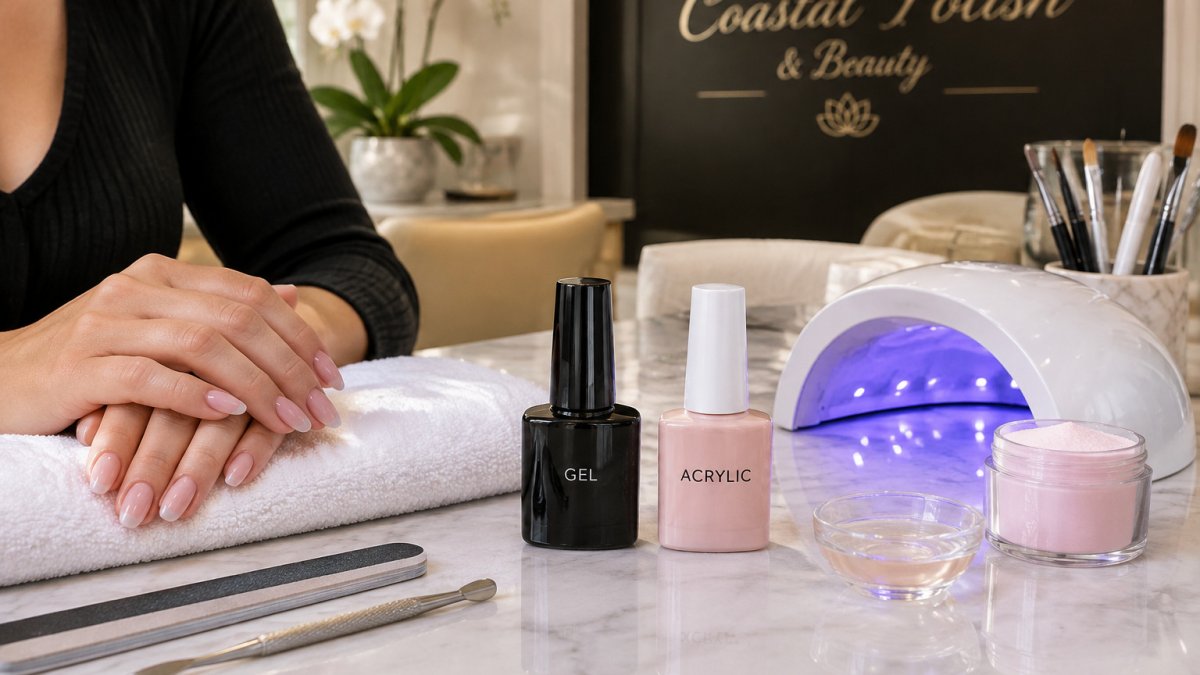
- Builder gel cures under a UV or LED lamp and stays flexible; acrylic hardens in air into a rigid shell.
- Book an infill at week 3 to 4, before lifting starts, to avoid most damage.
- A full removal and fresh set is often recommended every 2 to 3 infills.
- Builder gel's main risk is uncured product on skin; acrylic's are fumes and ratio-dependent lifting.
- Keep nails dry for the first few hours after application and use cuticle oil daily.
Table of Contents
- Builder Gel vs Acrylic: The Core Differences That Matter
- Does Builder Gel or Acrylic Last Longer?
- Is Builder Gel or Acrylic More Expensive?
- Is Gel or Acrylic Better for Weak Nails?
- Switching From Acrylic to Builder Gel: What to Expect
- Safety, Allergies, and Curing: What the Labels Don't Tell You
- Which One Is Right for You? A Decision Framework
- Book a Consultation to Match Your Nails to the Right Enhancement
- Frequently Asked Questions
Builder Gel vs Acrylic: The Core Differences That Matter
If you have ever stood in a salon trying to decide between builder gel or acrylic, you already know the stakes: one wrong pick can mean weeks of lifting, chipping, or nails that feel like they belong to someone else.
How Builder Gel Works
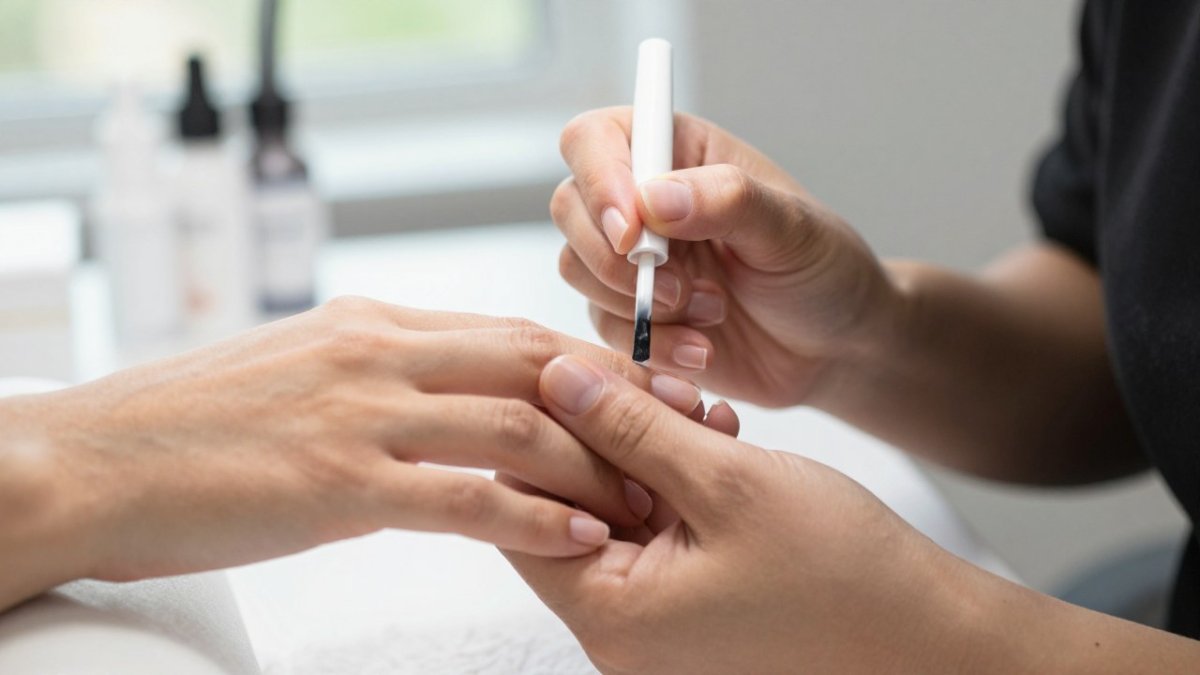
Builder gel comes in a pot or bottle and stays soft until it is cured under a lamp. A technician brushes it on in layers, building structure at the apex so the nail holds its shape. Because it stays flexible after curing, it moves with your natural nail instead of fighting it. Application is slower and more precise than acrylic.
How Acrylic Works
Acrylic combines a liquid monomer with a polymer powder. The mix hardens within minutes in open air, so a technician can sculpt dramatic length quickly. The trade-off is rigidity: acrylic does not flex, which is why it holds bold shapes well but can feel heavier. The monomer smell is noticeable, and proper ventilation matters.
Does Builder Gel or Acrylic Last Longer?
Wear time is less about the product label and more about three variables: how much length you add, how much stress your hands take, and how faithfully you return for maintenance. A well-applied set of either system typically holds its structure for a few weeks, after which a growth gap at the cuticle usually becomes visible and an infill is needed. Pushing past that window is where most lifting and breakage begins, regardless of which product you chose.
Why acrylic tends to hold up on length
Acrylic's strength comes from its rigidity. The monomer-powder mix polymerizes into a hard shell that resists bending, which is why it can support dramatic length and sculpted shapes without collapsing. That same rigidity is the trade-off: on a flexible natural nail, a rigid overlay can create a stress line at the point where the enhancement meets the free edge, and a hard impact transfers force into the natural nail rather than flexing away from it.
Why builder gel tends to hold up on natural nails
Builder gel cures into a flexible film that moves with the natural nail plate. On short-to-medium overlays, that flex absorbs minor impacts and reduces the leverage that causes lifting at the sidewalls. The limitation shows up when you ask builder gel to carry a lot of length: the same flexibility that protects a natural nail can allow a long free edge to bend and eventually crack.
The maintenance schedule that actually drives longevity
Whichever system you choose, the calendar matters more than the first appointment:
- Week 2-3: growth gap appears at the cuticle; edges may start to lift if prep was rushed.
- Week 3-4: infill due. A technician files back the old product, rebalances the apex, and refills the regrowth zone.
- Every 2-3 infills: a full removal and fresh set is often recommended so the natural nail can be assessed and the product isn't stacked indefinitely.
Watch out: skipping an infill because the set "still looks fine" is the single most common reason clients blame a product for damage that actually came from overdue maintenance.
What that means for total cost over time
Initial application is only the first line item. Over a three-month horizon, the bigger cost driver is appointment frequency: infills every three to four weeks, plus a removal and reset every few months, add up similarly across both systems. The difference in total cost usually depends on how many repair visits each system needs for your specific hands.
How to make either system last longer
- Keep nails dry for the first few hours after application.
- Wear gloves for dishes, cleaning, and long water exposure.
- Use cuticle oil daily; a hydrated natural nail flexes better and lifts less.
If your goal is maximum length with the fewest repair visits, acrylic usually wins on durability. If your goal is a natural-feeling overlay on your own nails with predictable upkeep, builder gel is typically the lower-drama choice. Either way, the maintenance calendar, not the product, is what determines how long a set actually lasts.
Is Builder Gel or Acrylic More Expensive?
Pricing depends on the length you want and how often you return for maintenance, so we recommend asking for a quote on current pricing through the Coastal Polish & Beauty website. Over time, the bigger cost driver is your maintenance schedule: infills every few weeks add up regardless of which system you choose. For a fuller picture of what premium services involve, see our high end nail salon pricing guide.
Is Gel or Acrylic Better for Weak Nails?
Builder gel is often considered a flexible option for weak or thin nails because it moves with the natural nail. Acrylic's rigidity can put stress on a fragile nail plate. If your nails are recovering from previous enhancements, our guide on how to strengthen weak nails before gel application walks through the prep steps that make a real difference.
Switching From Acrylic to Builder Gel: What to Expect
Expect a transition period, as removing acrylic and rebuilding length on natural nails takes care. Peeling or picking at old product is the fastest way to cause damage, so let a professional handle removal. If your nails need recovery first, read our advice on how to repair damaged nails after acrylics at home.
Safety, Allergies, and Curing: What the Labels Don't Tell You
Most problems with either system come down to technique, and the safety considerations for each differ. The two systems fail in different ways, so the precautions differ.
The allergy risk with gel is uncured product, not the gel itself
Builder gel contains acrylate monomers and oligomers that are designed to react and harden under a lamp. When the gel is fully cured, those reactive molecules are locked into the film.
Practical safeguards:
- Match the lamp to the product. Use the lamp the manufacturer specifies; a generic lamp may not cure a given gel fully even if it feels dry.
- Keep gel off the skin. Product flooded onto the cuticle or sidewalls is the most common source of exposure. A clean application line is a safety measure, not just an aesthetic one.
- Respect cure times. Thin layers and full cure times beat thick layers rushed under the lamp.
- Never cure a gel you can feel tackiness from. If the surface is still wet or tacky after curing, it is not fully cured.
Watch out: if you develop itching, redness, or a rash around the nails after a gel service, stop using gel products and see a dermatologist or physician before booking another appointment.
Acrylic's risks are different: fumes, ratios, and trapped moisture
Acrylic monomer produces noticeable fumes during application, so ventilation and a properly set-up workspace matter. The mix ratio of liquid to powder also affects the final product: too wet a mix cures softer and shrinks more, which contributes to lifting; too dry a mix is brittle. Neither is a health emergency, but both shorten wear and increase the chance of moisture getting under a lifted edge.
Hygiene applies equally to both
Clean, properly sanitized tools and files are non-negotiable for either system. Our guide on signs of poor nail salon hygiene explains the red flags to check for before you book. A file used on one client and not sanitized before the next is a cross-contamination risk regardless of whether the service is gel or acrylic.
When to seek a qualified professional
Some situations are not DIY territory: a greenish or dark discoloration under the enhancement, pain, swelling, a lifted edge you can't keep dry, or any sign of an allergic reaction. These warrant a visit to a physician or dermatologist, not another coat of product. For routine services, a licensed nail professional who follows the product manufacturer's instructions, including lamp matching and cure times, is the best protection against the technique-driven problems that account for most damage attributed to gel or acrylic.
The bottom line on safety
Builder gel's main risk is uncured product reaching the skin; acrylic's main risks are fumes and ratio-dependent lifting. Both are manageable with proper application, and both become risky when technique slips. If you have had a reaction, treat it as a signal to pause and get advice rather than switching products and hoping for a different result.
Which One Is Right for You? A Decision Framework
Use this simple framework before you book:
| Your Goal | Better Choice | Why |
|---|---|---|
| Dramatic length or sculpted shapes | Acrylic | Rigid structure holds bold shapes |
| Natural-looking overlay | Builder gel | Flexible, lightweight finish |
| Weak or recovering nails | Builder gel | Gentler, strength without bulk |
| Heavy daily wear | Acrylic | Resists breakage on long extensions |
| Low-odor appointment | Builder gel | No monomer fumes |
Best for: clients who want a natural finish and flexible feel. Skip if: you want maximum length on the first visit.
Book a Consultation to Match Your Nails to the Right Enhancement
The right answer depends on your nail condition, your lifestyle, and how much length you want, and that is a conversation best had in person. At Coastal Polish & Beauty, our team can discuss your natural nails and enhancement options in a clean, calm space inside the Birdhouse wellness collective. Book Now to discuss the right enhancement for your nails.
Choosing between builder gel and acrylic is not about picking the "best" product, it is about matching the material to your nails. Our team handles that assessment for you, from personalized recommendations to careful removal and aftercare. Get started with Coastal Polish & Beauty and leave with nails that feel strong, natural, and cared for.
Frequently Asked Questions
What is healthier, builder gel or acrylic?
Neither is inherently healthier, but builder gel is often gentler on natural nails because it is lighter and more flexible, reducing stress on the nail plate. Acrylic's rigidity can cause more damage if the enhancement lifts or is picked off. The bigger factor is application and removal technique: improper e-file use, acetone soak-off, or peeling causes most nail damage. Careful preparation and proper removal protect the natural nail regardless of which enhancement you choose.
Which lasts longer, acrylic or builder gel nails?
Both typically wear three to four weeks before needing an infill or removal. Acrylic tends to hold up better for dramatic length and sculpted extensions because of its rigidity, while builder gel holds well on natural nails and overlays. Wear time depends more on nail preparation, adhesion, and aftercare than on the product itself. If you are hard on your hands, acrylic may chip less; if you want a lightweight feel, builder gel often wins on comfort over the same wear window.
Can you switch from acrylic to builder gel?
Yes, but the transition needs a proper removal first. Acrylic should be soaked off or filed down carefully rather than pried loose, which can tear the nail plate. After removal, expect a short recovery period if your natural nails are thin or damaged. A qualified professional can discuss nail strength and suitable options for supporting growth. Switching from acrylic to builder gel is common for clients who want a lighter feel and a more natural-looking finish.
Is builder gel or acrylic better for short nails?
Builder gel is usually the better fit for short nails. It adds strength without bulk, so short nails keep a natural-looking finish and remain flexible. Acrylic can be applied to short nails too, but its rigidity offers less benefit when you are not building dramatic length. If your goal is nail growth after breakage, a builder gel overlay on short natural nails protects the free edge while the nail grows out, making it a practical choice for recovery periods.