 comparison
Sugaring vs Waxing for Sensitive Skin: What Works Best
Table of Contents
- How Sugaring and Waxing Remove Hair Differently
- Sugaring vs Waxing for Sensitive Skin: Key Differences
- Skin Irritation, Redness, and Inflammation: What the Evidence Shows
- Hard Wax vs Soft Wax for Sensitive Skin
- Sugaring Side Effects and Who Should Avoid It
- Sugaring Aftercare for Sensitive Skin and How to Prevent Irritation After Waxing
- Professional vs At-Home Treatment for Sensitive Skin
- Conclusion: Which Method Is Right for Your Sensitive Skin
- Frequently Asked Questions
Last Updated: October 12, 2026
How Sugaring and Waxing Remove Hair Differently
Hair removal methods work in fundamentally different ways, and understanding the mechanics matters when you have sensitive skin, especially when comparing sugaring vs waxing sensitive skin.
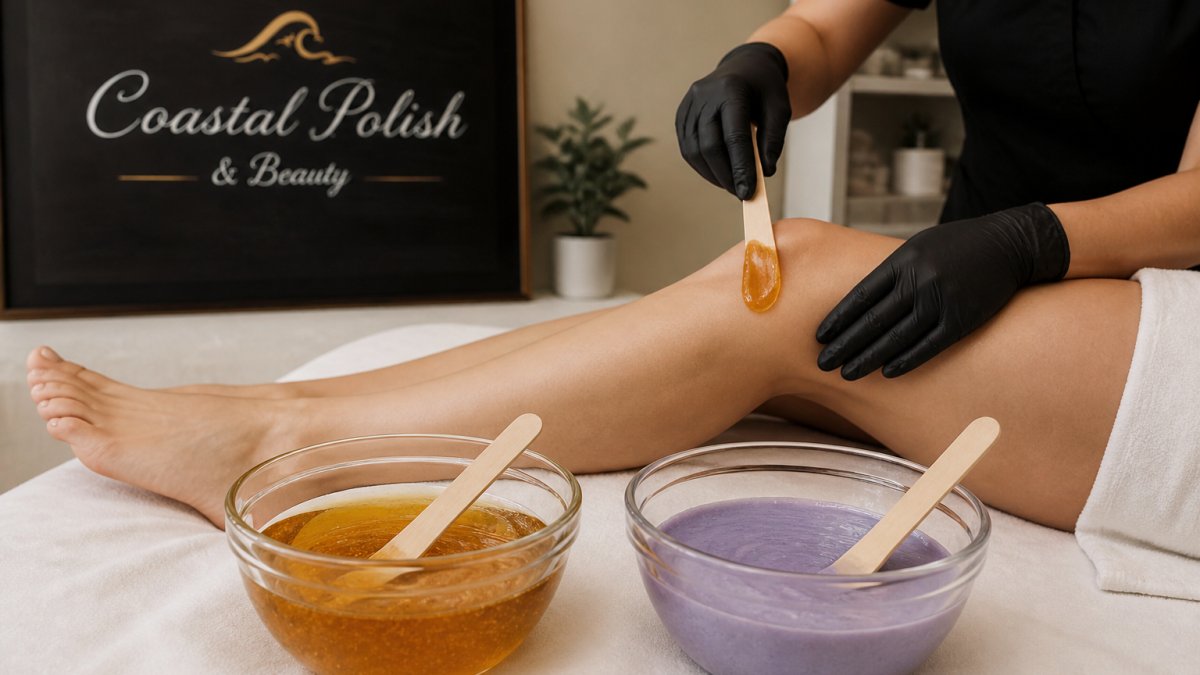
Sugaring uses a thick paste made from sugar, water, and lemon juice. The paste adheres to hair, not skin, which is the critical distinction.
The adhesion difference is everything. Because sugar paste targets hair rather than skin, it tends to cause less trauma to the epidermis during removal.
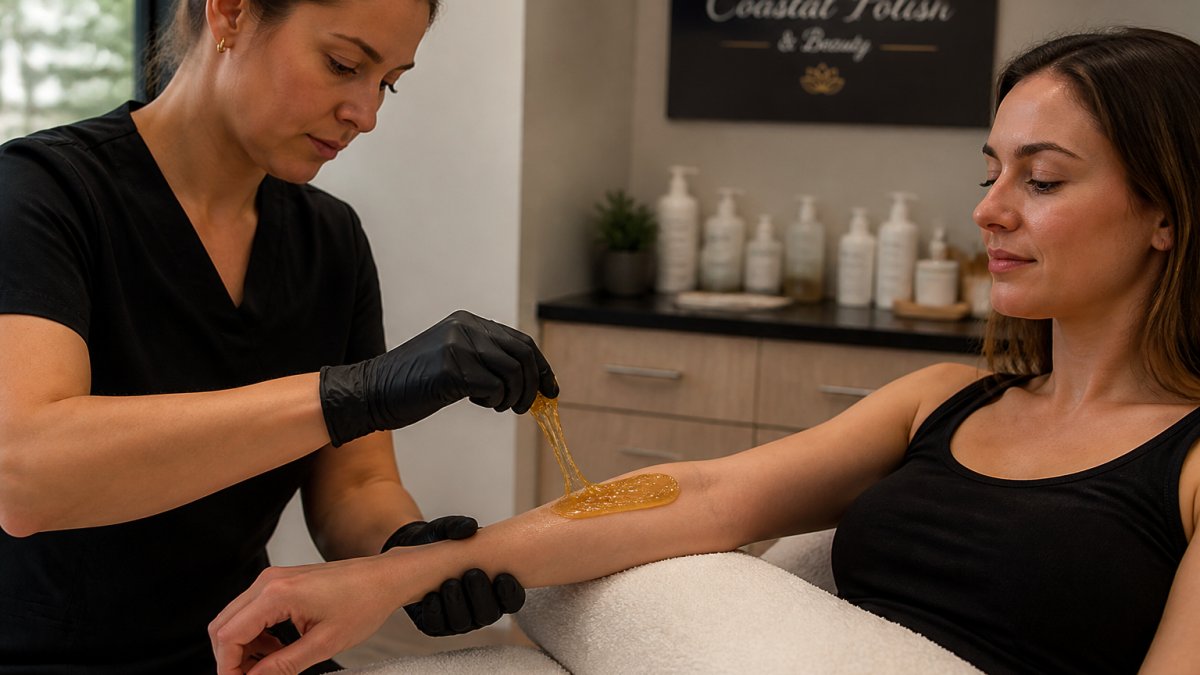
Temperature also plays a role. Sugar paste is applied at body temperature or slightly warmer, never hot. Wax, particularly soft wax, is heated to higher temperatures before application.
Sugaring vs Waxing for Sensitive Skin: Key Differences
When you have sensitive skin, the choice between these two methods comes down to how each one interacts with your skin barrier and hair follicles. Both remove hair effectively, but the path they take to get there matters significantly.
Adhesion and skin contact
Sugar paste adheres primarily to hair because of its molecular structure. It does not bond as aggressively to dead skin cells the way wax does. This means less epidermal damage during the removal process. Your skin barrier, the protective outer layer, stays more intact.
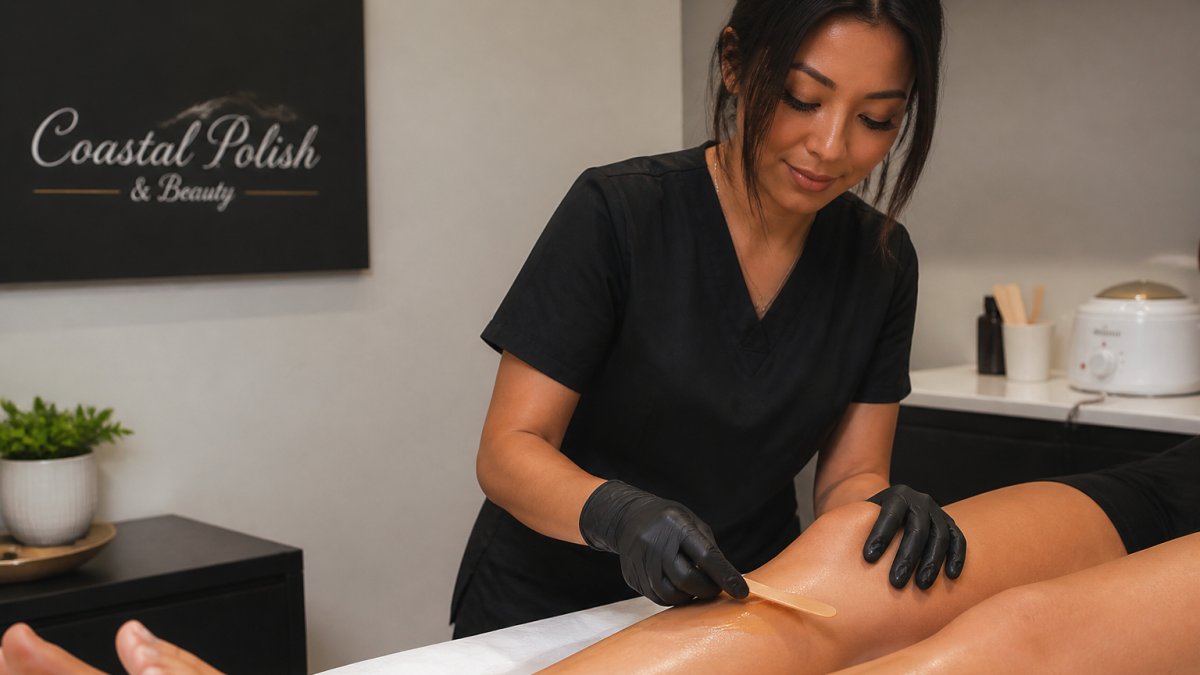
Wax, particularly soft wax, creates a stronger bond with both hair and skin. When the strip pulls away, it removes not just hair but also surface skin cells. For sensitive skin, this repeated micro-trauma can trigger inflammation, redness, and irritation that lingers for days. Hard wax is gentler than soft wax in this regard because it hardens and contracts around the hair shaft rather than spreading across a large skin area, but it still removes more skin than sugar does.
Temperature and application
Sugar paste applied at body temperature means no thermal shock to your skin. Your skin does not have to recover from heat stress on top of the mechanical stress of hair removal.
Wax requires heating to 40-50°C (104-122°F) or higher to achieve the right consistency. That heat causes immediate vasodilation, your blood vessels expand, which primes your skin for inflammation. Even before removal, sensitive skin can start reacting. The heat also softens the stratum corneum (the outermost skin layer), making it more vulnerable to damage during removal.
This temperature difference explains why many people experience redness immediately after waxing but not after sugaring, even if they have the same hair removal technique applied.
Skin Irritation, Redness, and Inflammation: What the Evidence Shows
Both methods can cause irritation, but the type and severity differ. Sugaring tends to produce less inflammation overall because of how it interacts with the skin.
Waxing carries a higher irritation risk for sensitive skin types. The combination of heat, strong adhesion, and removal force means more potential for redness, swelling, and inflammation. Some people experience contact dermatitis from wax ingredients, particularly if the wax contains fragrance, essential oils, or resins they react to.
Post-inflammatory hyperpigmentation is another concern for sensitive skin. When skin becomes inflamed from hair removal, melanin production can increase, leading to dark spots or patches. This risk is higher with waxing than sugaring, especially for people with deeper skin tones.
The key distinction: sugaring-related irritation is usually mild and resolves within hours to a day. Waxing-related irritation can persist for 2-3 days or longer, particularly on sensitive skin.
Hard Wax vs Soft Wax for Sensitive Skin
If you choose waxing over sugaring, the type of wax matters. Hard wax and soft wax are not equally gentle.
Hard wax is applied in a thick layer and hardens as it cools. You remove it by peeling it away from the skin without using a strip.
Soft wax is thinner and requires a cloth or paper strip for removal. It spreads across a larger skin area and bonds more firmly to the stratum corneum. When you pull the strip, you remove more skin along with the hair.
Hard wax is slower and works best on smaller, more sensitive areas like the bikini line, underarms, and face. If you have sensitive skin and choose waxing, request hard wax and ensure your technician is experienced with sensitive skin protocols.
Sugaring Side Effects and Who Should Avoid It
Sugaring is gentler, but it is not risk-free. Some people experience side effects, and certain conditions make sugaring inadvisable.
Common side effects include mild redness, slight swelling, and temporary sensitivity, these typically resolve within a few hours. Some people report a slight stinging sensation during removal, though many describe it as less intense than waxing.
You should avoid sugaring if you have:
- Active sunburn or sun-damaged skin
- Open cuts, wounds, or active acne
- Severe eczema or psoriasis flare-ups
- Recent chemical peels or laser treatments
- Herpes simplex lesions in the treatment area
- Diabetes with poor wound healing (consult your doctor first)
- A known allergy to sugar, lemon, or honey (some formulas include honey)
Sugaring can also cause ingrown hairs, though the risk is lower than with waxing. This happens when hair regrows and curls back into the skin rather than growing outward. People with coarse or curly hair are more prone to ingrown hairs regardless of removal method.
If you have very reactive skin, a patch test 24 hours before your appointment is wise. Apply a small amount of the sugar paste to a discreet area and monitor for 24 hours to ensure no adverse reaction occurs.
Sugaring Aftercare for Sensitive Skin and How to Prevent Irritation After Waxing
What you do after hair removal determines whether your skin recovers smoothly or develops lasting irritation. The first 48 hours are critical.
First 24 hours after treatment
Immediately after sugaring or waxing, your skin is in a vulnerable state. Hair follicles are open, the stratum corneum is temporarily compromised, and inflammation is at its peak.
Schedule and Appointment today for 10% Off your service →
Avoid heat for the first 24 hours: no hot showers, saunas, hot tubs, or intense exercise that raises body temperature. Heat increases blood flow to the area, intensifying redness and inflammation.
Skip fragranced products, exfoliants, retinoids, vitamin C serums, and acids. These ingredients will irritate already-sensitized skin.
Wear loose, breathable clothing over the treated area. Tight clothes create friction and trap heat, both of which worsen irritation.
Do not apply makeup to the face or sunscreen with heavy oils for at least 12 hours. If you must go outside, wear a wide-brimmed hat or use a mineral sunscreen stick.
Days 2-7: Maintenance and monitoring
After the first 24 hours, gentle exfoliation becomes your ally. Light exfoliation starting on day 2 or 3 helps prevent ingrown hairs by removing dead skin cells that can trap regrowth.
Use a soft exfoliating cloth, a gentle chemical exfoliant (like a low-strength AHA or BHA), or a soft-bristled body brush. Do this 2-3 times per week, but avoid over-exfoliating, which can trigger more irritation.
Moisturize daily with products designed for sensitive skin. Hyaluronic acid, glycerin, and ceramides help restore the skin barrier. Avoid products with alcohol, fragrance, or essential oils.
If redness persists beyond 3 days or worsens, apply a hydrocortisone cream (1%) or consult a dermatologist.
Sun protection is non-negotiable for 7-10 days post-treatment. Treated skin is more vulnerable to UV damage and post-inflammatory hyperpigmentation. Use SPF 30 or higher daily.
Professional vs At-Home Treatment for Sensitive Skin
Both sugaring and waxing can be done professionally or at home. For sensitive skin, the choice carries real consequences.
Professional treatment offers several advantages. A trained technician understands sensitive skin protocols, applies the right temperature, uses proper technique, and knows when to stop if your skin is reacting.
Professional treatments also use higher-quality products. Salon-grade sugar paste and wax are formulated with fewer irritants than many at-home kits. Technicians can perform a patch test beforehand and adjust their approach accordingly.
At-home treatment is cheaper and more convenient, but carries higher risks for sensitive skin.
If you choose at-home treatment for sensitive skin, use products specifically formulated for sensitive skin, follow instructions precisely, and do a patch test first. Even then, expect a higher chance of irritation compared to professional treatment.
For sensitive skin, professional sugaring can make a measurable difference in how your skin responds.
Conclusion: Which Method Is Right for Your Sensitive Skin
For most people with sensitive skin, sugaring is the better choice when weighing sugaring vs waxing sensitive skin.
Waxing can work for sensitive skin if you choose hard wax, see an experienced technician, and follow strict aftercare protocols, but it carries more irritation risk than sugaring.
The most important factor is choosing a professional who understands sensitive skin. At Coastal Polish & Beauty, we specialize in personalized care tailored to your skin's needs.
| Method | Heat Applied | Skin Adhesion | Irritation Risk | Recovery Time |
|---|---|---|---|---|
| Sugaring | None (body temp) | Hair only | Low | 2-4 hours |
| Hard Wax | Moderate | Hair + minimal skin | Moderate | 4-12 hours |
| Soft Wax | High | Hair + significant skin | High | 12-48 hours |
According to the American Academy of Dermatology guidance on hair removal, the skin barrier plays a crucial role in determining which removal method causes the least irritation. Methods that minimize adhesion to living skin cells reduce inflammation and recovery time.
Research from dermatological studies on post-inflammatory hyperpigmentation shows that aggressive hair removal techniques increase melanin production in sensitive skin types, particularly affecting people with deeper skin tones.
The International Society of Hair Removal Professionals standards for sensitive skin care recommend sugar-based methods for clients with reactive skin, reactive dermatitis history, or compromised skin barriers due to recent treatments.
Frequently Asked Questions
Is sugaring better for sensitive skin than waxing?
Sugaring can be gentler for sensitive skin in several ways. Sugar paste adheres to hair rather than skin, potentially reducing irritation and skin barrier damage. It's applied at body temperature instead of the higher heat of wax, which may cause less inflammation. However, individual responses vary based on skin condition, product ingredients, and technique. Professional application matters significantly for either method, a skilled technician minimizes trauma to the skin barrier and stratum corneum, reducing redness and post-treatment sensitivity regardless of which method you choose.
What is the most gentle hair removal method for sensitive skin?
Hard wax designed for sensitive skin is often considered gentler than soft wax because it doesn't require strip removal and adheres less aggressively to the skin surface. Sugaring can also be gentle when applied by a professional, since the paste targets hair follicles with minimal skin adherence. The gentlest approach depends on your specific skin condition, the technician's expertise, and proper aftercare. Preparation with gentle cleansing and post-treatment moisturizing is equally important as the method itself for preventing irritation and maintaining skin health.
How should you prepare sensitive skin for sugaring or waxing?
Start preparation 48 hours before your appointment. Exfoliate gently to remove dead skin cells and prevent ingrown hairs, but avoid harsh scrubs that compromise the skin barrier. Stop using active ingredients like retinoids, acids, or vitamin C 3-5 days prior. Avoid sun exposure and tanning beds, which increase skin sensitivity. On the day of treatment, wear loose clothing and skip heavy moisturizers or oils on the treatment area. If you have a history of severe reactions, do a patch test 24 hours before your full appointment. Inform your technician about any skin conditions, medications, or recent treatments.
Can sugaring or waxing cause ingrown hairs or long-term skin damage?
Both methods can cause ingrown hairs if hair regrows into the skin rather than reaching the surface, though proper exfoliation and moisturizing aftercare reduce this risk. Temporary redness and inflammation are normal, but long-term skin damage is rare with professional application. The key is technique: improper removal direction, excessive pulling, or inadequate healing time between treatments can increase ingrown hair risk and skin irritation. Spacing appointments 4-6 weeks apart allows the skin barrier and hair growth cycle to recover. Consistent aftercare, gentle exfoliation starting 48 hours post-treatment and daily moisturizing, significantly lowers adverse reactions and maintains skin health.