 blog
Signs of a Bad Gel Manicure: What to Look For
Table of Contents
- Signs of a Bad Gel Manicure: What Matters and What Doesn't
- Gel Polish Lifting and Peeling: Early Warning Signs
- Gel Manicure Nail Damage: When Beauty Turns Harmful
- Application Mistakes That Ruin Gel Manicure Longevity
- How to Fix a Bad Gel Manicure: Your Options
- Health Warnings and When to Seek Medical Care
- How to Assess Salon Quality and Prevent Bad Manicures
- Frequently Asked Questions
Last Updated: October 17, 2026
Signs of a Bad Gel Manicure: What Matters and What Doesn't
A bad gel manicure can leave your nails damaged, weakened, and looking worse than before you sat down. But not every imperfection means something went wrong.
Gel polish doesn't last forever. It fades, chips, and peels, that's normal.
A quality gel manicure should last three to four weeks with minimal chipping, nails that feel strong rather than paper-thin, and color that stays vibrant.
Normal wear versus application problems
Not all damage is the salon's fault. Water exposure, hand washing, daily activities, and the natural growth cycle all affect how long your gel polish lasts.
Normal gel manicure wear looks like this:
- Minor chipping at the tips after three weeks
- Slight fading of color over time
- Very thin peeling at the very edge of the nail
Signs of a bad gel manicure application include:
- Lifting or peeling within the first week
- Thick, uneven layers that feel bumpy
- Flooded cuticles where gel covers the skin
The difference tells you whether to return to that salon or try somewhere else. A salon that floods cuticles or applies gel too thick is cutting corners; one that takes time with proper preparation and technique delivers results that last.
Gel Polish Lifting and Peeling: Early Warning Signs
Lifting is the most common sign of a bad gel manicure.
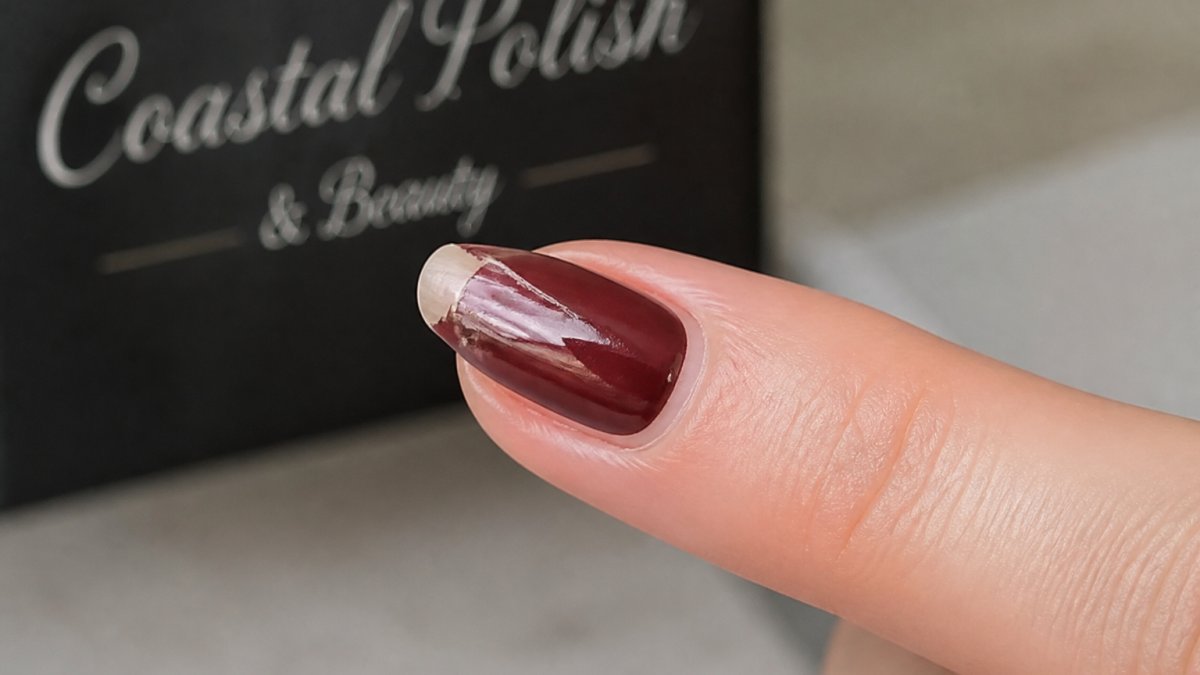
Lifting within the first three to five days is a red flag: your nails weren't properly prepared.
Why lifting happens and what it means
Gel polish lifts because it lost its grip on your nail, and most causes are preventable.
Common causes of gel polish lifting:
- Insufficient nail buffing before application
- Oils or moisture left on the nail surface
- Under-cured gel layers that don't harden completely
Water trapped under gel is particularly damaging: it creates an environment where bacteria thrive, and your nail can become infected, discolored, or permanently weakened.
If you notice lifting within days, contact the salon immediately. A quality salon will remove and reapply the polish correctly at no charge; if they refuse or blame you, find a new provider.
Gel Manicure Nail Damage: When Beauty Turns Harmful
Gel manicure nail damage goes beyond cosmetics. Weak, brittle, or discolored nails indicate something harmful happened during application or removal, and spotting these warning signs protects your nail health long-term.
Brittle, dehydrated, and weakened nails
Healthy nails are flexible and strong.
Signs your nails are damaged:
- Nails that break or tear weeks after removal
- Extreme brittleness that didn't exist before
- Visible ridges or grooves in the nail surface
Dehydrated nails result from improper removal or repeated harsh treatments. Excessive force, aggressive filing, or skipping moisturizer leaves the nail plate porous and stripped of its protective barrier.
Thick gel applications also damage nails: heavy layers trap moisture and prevent the nail from breathing, leaving nails weak and dehydrated after removal. Proper technique matters.
Discoloration and contamination
Discoloration under gel polish is never normal. Yellow, green, brown, or gray staining indicates contamination or infection from water or bacteria trapped between the gel and nail plate.
Types of discoloration and what they mean:
- Yellow or orange staining: Usually from gel dyes or oxidation
- Green or dark staining: Bacterial or fungal contamination
- Brown or gray spots: Often indicates mold or fungal growth
Contamination starts when sanitation is skipped.
If you see discoloration, remove the gel immediately and let your nails breathe. If staining persists or spreads, see a healthcare provider, fungal infections require professional treatment and can spread if ignored.
Application Mistakes That Ruin Gel Manicure Longevity
How gel is applied determines how long it lasts and how healthy your nails stay. Knowing these mistakes helps you spot a bad gel manicure before you leave the salon.
Thick application and flooded cuticles
Gel applied too thickly looks bumpy and uneven, doesn't cure properly, and peels or lifts quickly. It's a shortcut that looks good temporarily but fails fast.
Flooded cuticles are worse: gel covering the skin around your nail traps bacteria and moisture, leaving cuticles irritated, inflamed, or infected.
What proper application looks like:
- Thin, even layers that are barely visible
- A small gap between the gel and your skin
- Smooth finish without bumps or ridges
- Gel that stays off the cuticle and sidewalls
A skilled technician applies thin coats, cures each layer completely, and leaves at least a millimeter between gel and skin, more time, but the only way to get lasting results.
Under-cured gel and uneven coverage
Under-cured gel hasn't hardened completely: it feels tacky, smudges easily, and peels within days, usually because a layer wasn't cured long enough or the lamp isn't strong enough.
Uneven coverage leaves thick gel in some areas and thin gel in others, creating stress points where polish breaks or lifts, a clear sign the technician rushed.
Proper curing requires the right lamp and timing, UV and LED lamps have different cure times.
How to Fix a Bad Gel Manicure: Your Options
Once you realize you have a bad gel manicure, you have choices: some problems can be corrected, others require removal and a fresh start.
Schedule and Appointment today for 10% Off your service →
Safe removal and what not to do
Never peel, pick, or file off gel polish yourself. This tears your nail plate and causes damage that can last for months.
Safe removal process:
- Soak nails in acetone for 10-15 minutes
- Gently lift the softened gel with a wooden stick
- File away remaining polish carefully
- Moisturize nails and cuticles thoroughly
If a salon removes your gel in under five minutes by scraping or filing aggressively, they're damaging your nails. Safe removal takes patience.
Never use non-acetone removers, vinegar, or other home remedies. These don't work and waste time.
When to request a correction versus starting fresh
If your gel manicure has lifting, flooding, or minor application issues within the first week, ask for a correction. A reputable salon will remove the polish and reapply it at no charge.
If your nails show signs of damage, contamination, or infection, remove the gel and give your nails time to recover. Don't apply new gel immediately.
If a salon refuses to correct problems or blames you for issues that are clearly application errors, that's your sign to find a new provider. Quality salons stand behind their work.
Health Warnings and When to Seek Medical Care
Most gel manicure problems are cosmetic. But some signal real health concerns that need attention. Knowing when to see a doctor protects your long-term nail health.
Burning sensation, allergic reactions, and gel acrylate sensitization
A burning sensation during or immediately after application is not normal. If your nails or skin burn while the gel is curing, tell the technician immediately.
Gel polish contains acrylate compounds. Some people develop sensitivity to these chemicals over time.
Signs of an allergic reaction:
- Burning or stinging sensation during application
- Redness or swelling around the nail or cuticle
- Itching that lasts for hours after application
- Blistering or rash on fingers or hands
If you experience any of these symptoms, stop getting gel manicures and see a dermatologist. They can test for acrylate sensitivity and recommend alternatives.
Infection signs and salon hygiene red flags
Infections start with contamination. If tools aren't sterilized or the workspace isn't clean, bacteria and fungi thrive under your gel polish.
Signs of infection:
- Redness, warmth, or swelling around the nail
- Pus or discharge from the nail area
- Nail discoloration that spreads
- Pain or tenderness that increases over time
If you notice these signs, remove your gel immediately and see a healthcare provider. Nail infections can spread and become serious if left untreated.
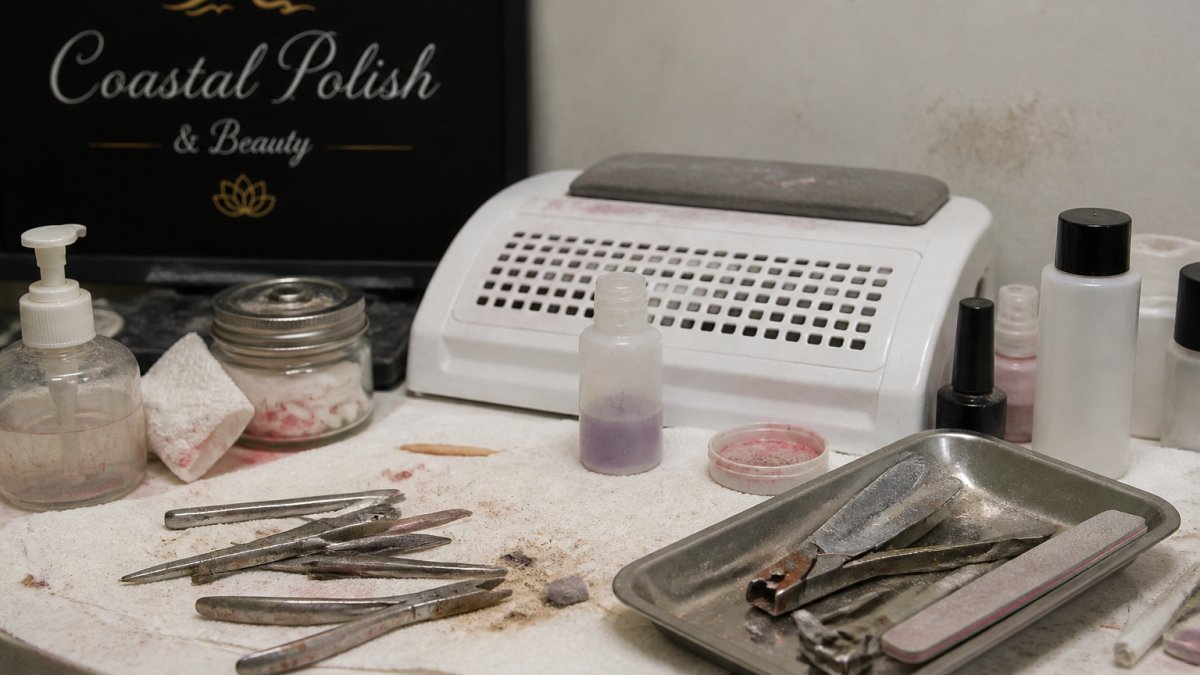
Salon hygiene red flags:
- Tools that aren't visibly cleaned between clients
- Technicians who don't wash hands before your appointment
- Workspace that looks dirty or cluttered
- No autoclave or sterilization equipment visible
A clean, professional salon uses single-use files, sterilizes metal tools in an autoclave, and cleans the workspace between every client.
How to Assess Salon Quality and Prevent Bad Manicures
The best way to avoid a bad gel manicure is to choose a salon that prioritizes quality and hygiene from the start. Knowing what to look for helps you find a provider you can trust.
Nail preparation, buffing, and cuticle care standards
Quality starts before the gel touches your nails. Proper preparation determines whether your manicure lasts and whether your nails stay healthy.
What proper nail prep looks like:
- Nails are filed to smooth edges
- Nail surface is buffed to remove shine
- Cuticles are gently pushed back, not cut
- Dead skin is removed carefully
A technician who rushes through prep is cutting corners. Proper preparation takes 10-15 minutes.
Cuticle care matters especially. Your cuticles protect your nails from infection. A good technician removes dead skin gently without damaging the living cuticle underneath.
Sterilization, tools, and workspace cleanliness
Sterilization is non-negotiable. A professional salon uses an autoclave to sterilize metal tools at high heat and pressure.
Files and buffers are single-use only. Once used on one client, they're discarded.
The workspace should be clean and organized. Surfaces are wiped down between clients. Trash is disposed of properly.
At Coastal Polish & Beauty, we maintain strict sterilization protocols and prioritize cleanliness in every detail.
Frequently Asked Questions
How do you know if a gel manicure was done badly?
A badly done gel manicure shows visible signs within the first week: gel polish lifting or peeling at the edges, thick application that floods the cuticle, uneven coverage with thin spots, or chipping without lifting. Look for bubbles or wrinkles in the gel layers, discoloration under the polish, or a burning sensation during curing. Compare your manicure to photos of well-applied gel, proper application should have clean lines, smooth edges, and even color throughout. If your nails feel brittle or damaged after removal, that signals poor technique or over-buffing during preparation.
Can gel polish lifting be fixed, or do you need to start over?
If gel polish lifting is caught early and only affects a small area at the edge, a technician can sometimes fill in or re-apply gel to that section. However, if lifting is widespread or water has trapped underneath, removal and a fresh application is usually the better choice, attempting a patch fix often leads to more lifting. Never peel off lifting gel yourself, as this can damage the nail plate. Safe removal involves soaking in acetone or having a professional remove it properly. Starting fresh ensures your next manicure has the best foundation for longevity.
What should you do if your gel manicure burns or causes pain?
A mild warming sensation during curing is normal, but burning pain is not. If you experience burning, alert your technician immediately, they should reduce lamp intensity or check for over-curing. Pain during or after a gel manicure can signal under-cured gel, a heat spike in the lamp, or an allergic reaction to gel acrylates. Remove the gel safely and let your nails rest for at least a week. If redness, swelling, or blistering develops, seek medical care. Some people develop acrylate sensitization over time, making gel manicures unsafe, dermatologists can confirm this with patch testing.
How long should a gel manicure last before it chips or lifts?
A well-applied gel manicure on properly prepared natural nails typically lasts 3 to 4 weeks with minimal chipping or lifting. Chipping within the first 2 weeks signals poor application, inadequate nail preparation, or under-cured gel. Lifting within the first week usually points to contamination on the nail plate, flooded cuticles, or insufficient base coat adhesion. If your gel manicures consistently chip or lift early, discuss technique with your technician, proper buffing, dehydration of the nail surface, and correct curing time are critical. Gel manicure longevity also depends on your daily habits: excessive water exposure and heat accelerate breakdown.
A bad gel manicure doesn't have to be your normal. When you understand what to look for, you can spot problems early and protect your nail health. Choose a salon that takes time with preparation, uses proper technique, and maintains high standards for cleanliness. Your nails will thank you, and your manicure will actually last. Book an appointment with Coastal Polish & Beauty and experience the difference that expert care and attention to detail make in every service.